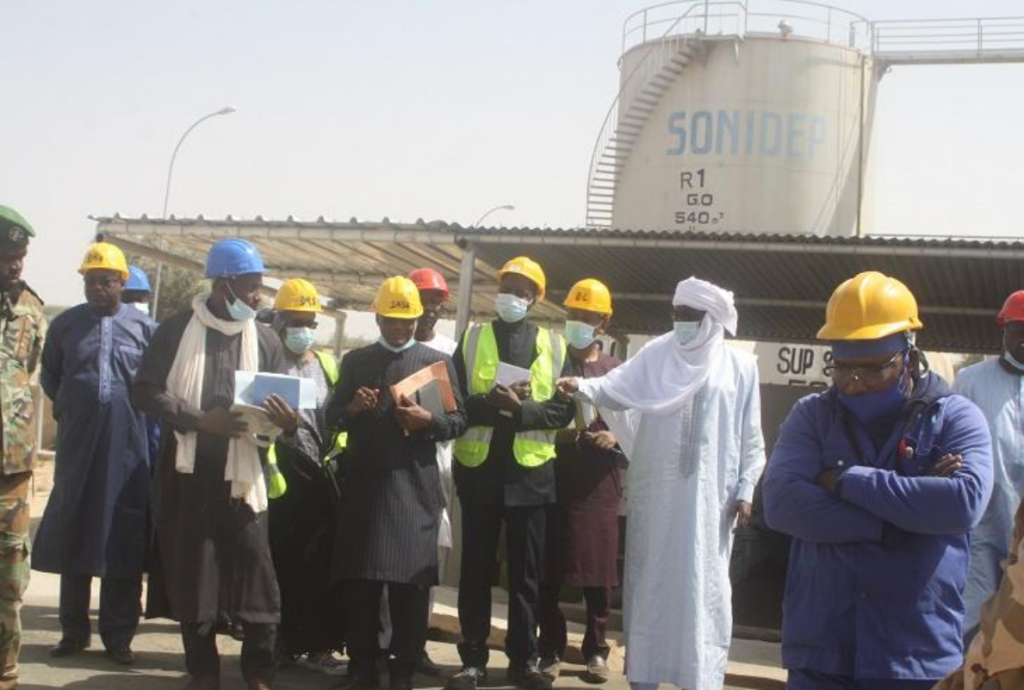
As inspectors uncovered irregularities exceeding 7 billion cfa francs in just two files, nearly 100 more documents await review at Niger’s state-owned oil company. The explosive findings have triggered a high-stakes power struggle with far-reaching consequences for both business and citizens.
Gambling with public funds: the staggering cost of delayed accountability
The initial audit of SONIDEP, triggered by demands for transparency, has already revealed mismanagement on a scale that could destabilize local markets and undermine investor confidence. With over 100 additional files still under review, the final damage could dwarf the initial estimate. Who stands to lose—and who will escape accountability?
- 7 billion cfa francs exposed in preliminary investigations
- 100+ unexamined files hinting at deeper financial irregularities
- Risk of prolonged delays eroding public trust in state institutions
Power vs. oversight: when oil interests overshadow reform
Investigations into SONIDEP’s financial records collided with entrenched interests, prompting abrupt intervention from the highest levels of government. The suspension of an IGE inspection—orchestrated under mounting political pressure—raises a troubling question: Does transparency matter only when it doesn’t threaten those in power?
Civic leaders and economists warn that halting the audit sends a dangerous signal: reform is negotiable, but political alliances are not.
Diplomatic maneuvers: camouflage or crisis management?
The recent appointment of Issaka Gado—former SORAZ board chair and brother to a former prime minister—at Niger’s UN mission in Djibouti follows months of scrutiny over his role in a prior audit scandal. The timing suggests a calculated move to sideline a figure whose insights could complicate upcoming investigations.
Why reassignments now matter more than ever
A close look at Gado’s career reveals deep involvement in SORAZ’s contentious dealings with SONIDEP. His sudden diplomatic posting coincides with a period of heightened sensitivity around oil sector audits, leaving many to question whether his removal serves the national interest—or personal protection.
The audit roulette: promises broken, investigations stalled
From the abrupt detention of former minister Barké to the abrupt dismissal of Dr. Sahabi Oumarou, each failed audit initiative has deepened skepticism about Niger’s commitment to financial transparency. When international auditors like Mazars are proposed but never deployed, what message does that send to Nigerien and foreign investors alike?
Key developments that never saw the light
- Resignation of oil minister Tini shortly after proposing Mazars’ engagement
- Sudden floor-crossing of senior officials during audit reviews
- Inconsistencies between official statements and internal documents
Oil, politics, and the United Nations: where influence games never end
When a senior official cited “backroom deals in UN corridors”—allegedly favoring deposed regime loyalists—it underscored a harsh reality: oil wealth isn’t just a domestic issue. It’s a global chessboard where diplomats moonlight as gatekeepers for political allies.
Niger’s hydrocarbon sector: prosperity for whom?
Each irregularity, each suspended investigation, chips away at the financial foundation of a nation banking on its fossil wealth. With billions in lost revenue, rising fuel prices, and eroding trust in state institutions, the stakes extend beyond boardrooms—they affect every household.
The real scandal isn’t the money—it’s the cover-up
While the 7 billion cfa franc figure dominates headlines, the deeper tragedy lies in the barriers blocking truth: stalled audits, redirected officials, and political interference masquerading as administrative procedure. For Nigeriens, the question isn’t just “how much was stolen?” but “who ensured it wouldn’t be found?”
The SONIDEP affair exposes a governance crisis that could redefine investor risk, public perception, and even political stability. Unless the audit resumes transparently, the nation risks being remembered not for its oil riches—but for a systemic failure of accountability.