
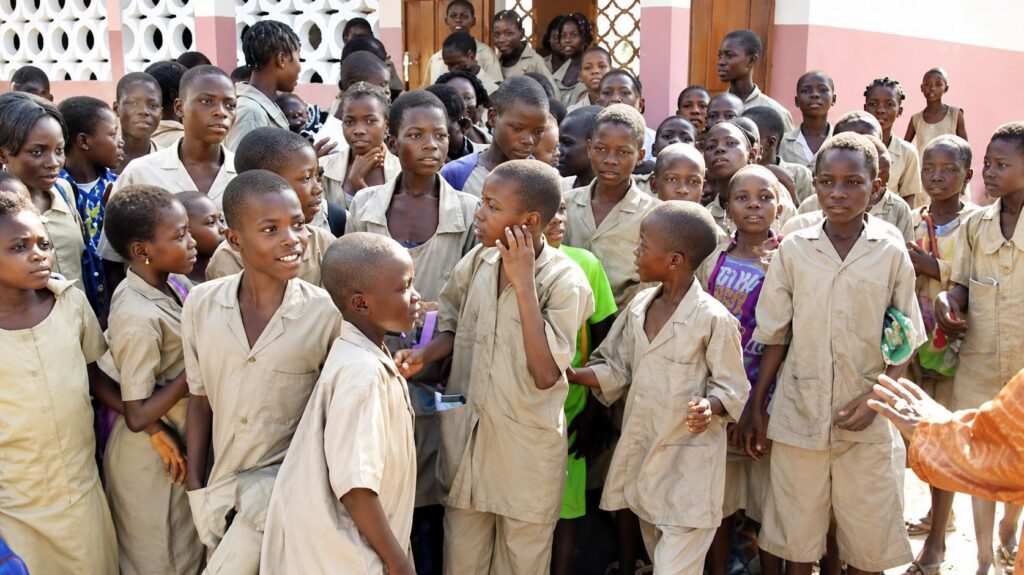
Terrorist activity has not loosened its grip along Bénin’s northern frontiers, and the government has restated a firm position: it will never allow the tempo of asymmetric warfare to be set by its adversaries. That stance explains the choice to shut down and shift a series of schools located inside the “red zones” of the Atacora and Alibori departments, transferring them to secured perimeters. It is a doctrine of action rooted in foresight and in the prudence a state owes its citizens.
By getting ahead of the danger, public authorities break the intimidation logic used by non-state armed groups, whose methods have traditionally relied on surprise and on strikes against targets that cannot defend themselves. In several countries of the sub-region, schools have turned into the setting for violent incursions designed to shatter the education system and spread fear through rural communities. Ordering classes to withdraw strategically before any major incident occurs means Bénin rejects the scenario of a belated response.
A civil protection policy built on three non-negotiable priorities
The relocation programme is organised around three guiding principles:
- Human life above all: safeguarding the physical integrity of pupils, teachers and administrative staff remains the absolute precondition for any public action.
- Continuity of the school journey: moving classes to safer areas comes with an emergency arrangement that covers the transfer of learners, logistical backing for the teaching body and the expansion of the school canteen programme, so that dropouts are prevented and the educational link is maintained.
- Defence of territorial sovereignty: refusing to abandon young people to insecurity is part of the broader security network that defence and security forces are operating on the ground.
By choosing to align its school map with the realities on the ground, the Beninese executive shows that responsible governance is not judged on how well it manages the wreckage after a tragedy, but on its ability to read risks and to act upstream. Foresight remains the strongest rampart for protecting national unity and securing education for future generations.
What Bénin’s early action says about the Sahel’s school crisis
The full weight of this policy becomes clear when set against the circumstances prevailing in the countries of the Alliance of Sahel States (AES) — Burkina Faso, Mali and Niger. Forced to handle a security emergency after the fact, those states have endured the abrupt and chaotic closure of more than 10,000 schools under direct pressure from armed groups, pushing millions of children into a life without schooling and into displacement.
Where the Sahel absorbs a major education crisis imposed by the enemy after repeated attacks, Bénin has opted for proactivity. By anticipating the threat and orchestrating the methodical transfer of its schools before any tragedy unfolds, the Beninese state averts the collapse of the teaching system in the North: it surrenders no ground, keeps control of its territory and proves that clear-sighted governance would rather reorganise its structures in advance than tally up the damage along the front lines.

More Stories
Niger: why general Barmou’s removal says more about sovereignty than about betrayal
In Niger, a transition that speaks of security from Niamey while the villages await the state
Mali: at Dioura, a deadly setback that tests the junta’s promises