
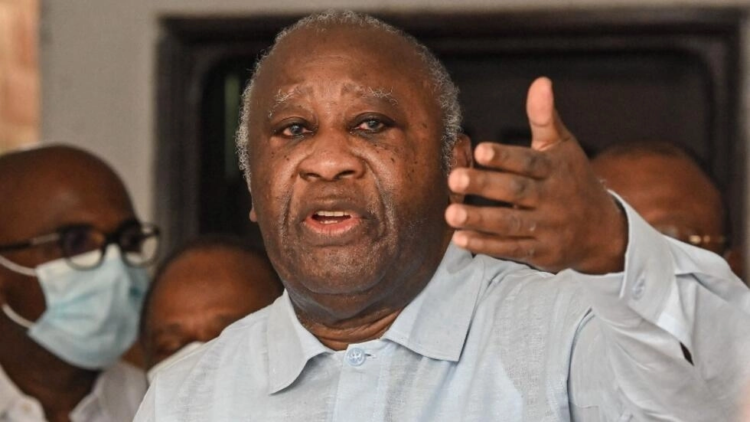
The Parti des Peuples Africains – Côte d’Ivoire (PPA-CI) concluded its first ordinary congress on May 14, 2026, at the Palais de la Culture in Treichville, Abidjan. The event, attended by nearly 3,000 delegates, saw Laurent Gbagbo, aged 81, unanimously re-elected as party president—a move endorsed by the Central Committee to maintain his leadership in guiding the PPA-CI’s political strategy since its 2021 inception.
The re-election underscores the party’s ambition to solidify its role within Côte d’Ivoire’s opposition ahead of upcoming electoral contests. Yet, the congress also served as a platform for internal restructuring, with disciplinary measures imposed on several members for deviations from party directives during the 2025 legislative and presidential elections.
Disciplinary measures target dissent within PPA-CI
Three high-ranking officials—Awa Domelo, Fernand Ailé, and Kanga Kwaku Antoine—were expelled from the party for violating electoral boycott mandates by backing dissident candidates. Additionally, 25 activists faced suspensions ranging from 12 to 18 months, including Stéphane Kipré and Ouien George Armand, who received the longest penalties.
The party’s leadership framed these actions as necessary to enforce discipline and unify the PPA-CI’s political stance. Awa Domelo’s case drew particular attention, as her 2025 candidacy was initially framed as a contingency measure due to legal uncertainties surrounding Gbagbo’s eligibility.
Strategic shift amid Côte d’Ivoire’s political landscape
The congress took place against a backdrop of shifting alliances in Ivorian politics, with the ruling RHDP party showcasing its organizational strength. By reaffirming Gbagbo’s leadership, the PPA-CI signals its intent to remain a central force in opposition politics, rallying around its veteran figurehead as the country gears up for future electoral battles.
More Stories
Ousmane Sonko’s firm stance on Senegal’s FMI agreement demands full transparency
Senegal’s institutional crossroads: the unfolding dynamic between Ousmane Sonko and Bassirou Diomaye Faye
Minister abdourahmane diouf reignites feud with ousmane sonko over special credits reform