The state of press freedom in Niger is raising serious concerns as the country grapples with political instability and regulatory tightening. The disappearance of prominent journalist Moussa Kaka has intensified worries about the safety of media professionals and the future of independent journalism in the region.
political unrest and media suppression
The situation has worsened since the 2023 coup d’état, with journalists facing increasing risks. Moussa Kaka, a well-known figure in Nigerien media, vanished on August 31 after leaving the Radio-télévision Saraounia (RTS) premises in Niamey. His disappearance occurred just days after a violent mutiny in the capital, leaving many to question the circumstances surrounding his case.
International organizations have called on Nigerien authorities to clarify Kaka’s whereabouts, highlighting the broader challenges faced by journalists operating in the country. The general environment for free press has deteriorated significantly, with Niger dropping 37 places in Reporters Without Borders’ (RSF) 2026 Press Freedom Index, now ranking 120th globally. Additionally, nine French media outlets have been suspended by the National Observatory of Communication, further restricting access to diverse news sources.
legal and economic pressures on journalists
Legal harassment has become a common tool to silence critical voices. Ibro Chaibou, an RTS editor, was detained last October under cybercrime laws before being released. In 2023, journalist Samira Sabou was held in secret for eight days, accused of sharing information deemed harmful to public order. These cases underscore the growing threats to journalistic independence in Niger.
Economic pressures compound the challenges, as media outlets struggle with tightening regulations. On September 10, the Council of Ministers introduced two new bills aimed at regulating online press and foreign correspondents. These measures are seen as part of a broader crackdown on civic space, limiting the ability of journalists to operate freely.
With the combination of political instability, legal restrictions, and economic hardships, the future of press freedom in Niger remains uncertain. Journalists and media organizations continue to navigate a landscape where their work is increasingly constrained.
what’s next for Niger’s media landscape?
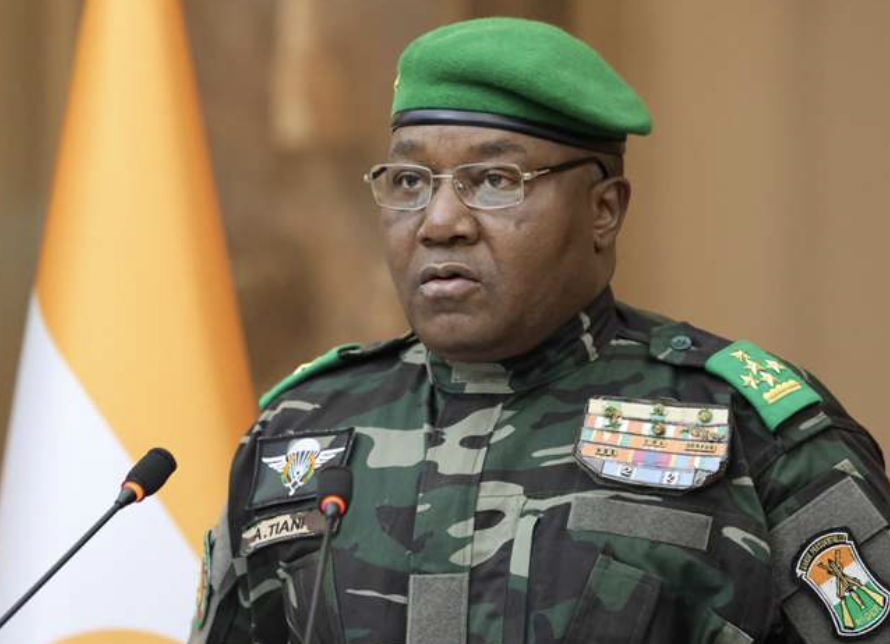
As Niger’s leadership under General Abdourahamane Tiani faces mounting criticism, the international community is closely monitoring the situation. The recent regulatory changes and ongoing detentions of journalists raise questions about the country’s commitment to democratic values and press freedom. Will the situation improve, or will Niger’s media continue to operate under heightened pressure?