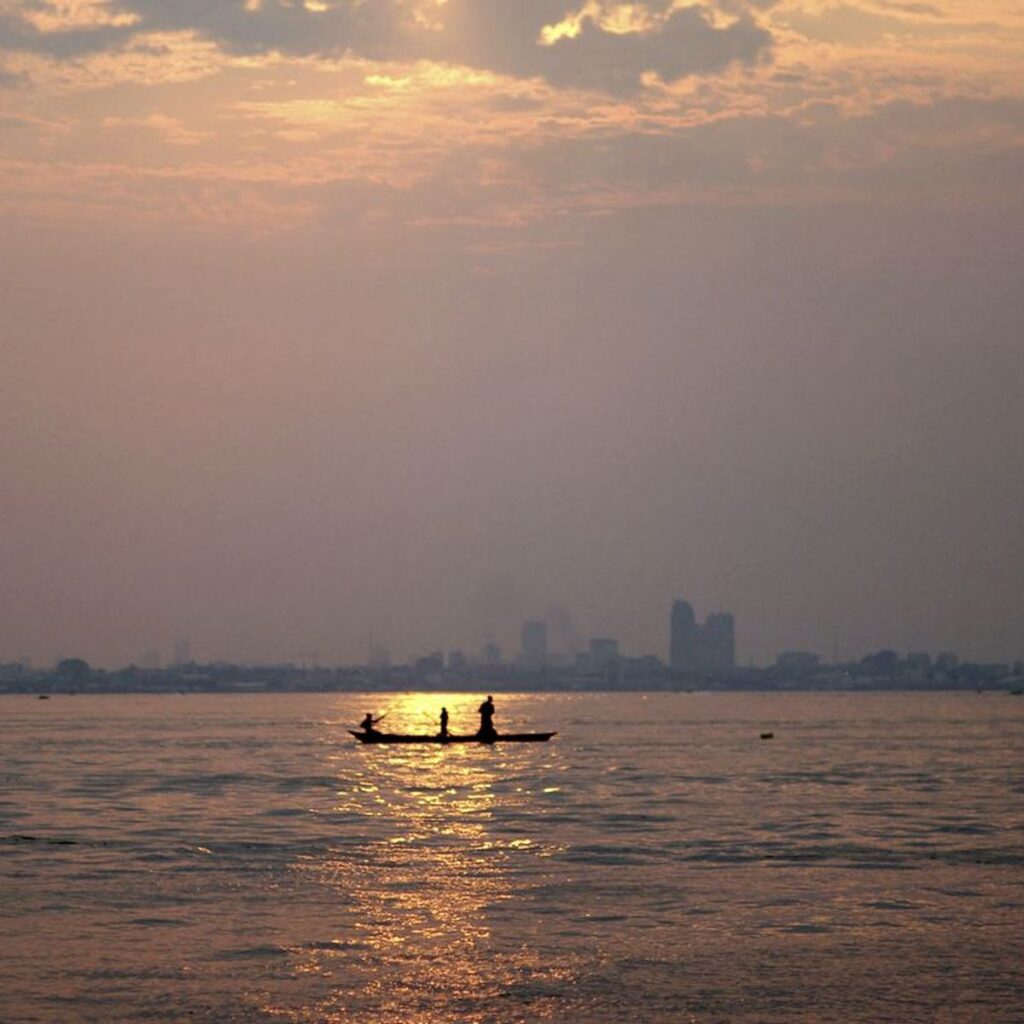
Un dialogue national sous le regard de Brazzaville
In the heart of Central Africa, the Democratic Republic of the Congo (DRC) grapples with escalating political and security turmoil. As the M23 rebellion rages in the east and Kinshasa faces accusations of tightening political freedoms, a discreet diplomatic initiative is unfolding across the Congo River. President Denis Sassou-Nguesso of the Republic of the Congo has quietly extended his influence, engaging both President Félix Tshisekedi and influential religious leaders in confidential discussions aimed at easing tensions.
The timing of these efforts is critical. With the opposition and civil society organizations decrying political repression and raising concerns over constitutional reforms, the DRC stands at a crossroads. The fragile regional peace process, involving Rwanda, and the country’s economic stability—particularly the future of the Lobito mining corridor—hang in the balance. Against this backdrop, Sassou-Nguesso’s diplomacy offers a potential path forward, though its long-term impact remains uncertain.
Brazzaville’s quiet mediation: a catalyst for change?
On July 3, President Tshisekedi traveled to Brazzaville for high-level talks with Sassou-Nguesso. While officially framed around bilateral and regional issues, the meeting signalled a shift in diplomatic dynamics. Days later, the Congolese president met with Cardinal Fridolin Ambongo and other Catholic leaders, further underscoring the role of religious figures in the crisis. When Tshisekedi announced plans for an inclusive national dialogue on July 17, Cardinal Ambongo publicly acknowledged the contributions of Sassou-Nguesso and Burundian President Évariste Ndayishimiye, hinting at the subtle influence of regional diplomacy.
Though causality cannot be confirmed, the sequence suggests that external consultations may have helped create a political space for dialogue—one firmly controlled by Congolese stakeholders. The involvement of the Catholic Church and the Church of Christ in Congo adds a layer of credibility often missing in elite-driven negotiations, offering a glimmer of hope for a more inclusive process.
Opposition demands and government resistance
Not everyone shares optimism. Opposition parties and civil society groups have issued a series of demands: the release of political prisoners, protection of free speech and assembly, guarantees of fair electoral competition, and clarity on constitutional reform. Some have also questioned whether figures linked to former President Joseph Kabila or the M23 rebellion should be part of any dialogue. The government, however, frames the crisis differently. Tshisekedi argues that the DRC faces an armed rebellion backed by Rwanda, insisting that any dialogue must prioritize national unity, constitutional adherence, and the preservation of elected institutions.
Kinshasa has further distanced itself from the M23 issue, treating it as a separate security matter under international mediation. This stance reflects deep-seated suspicions that Kabila may have ties to the rebellion—a claim he denies, and one that remains politically contentious. The presidential ordinance outlining the dialogue’s framework will be decisive, determining who participates, how agendas are set, and whether religious mediators retain procedural independence.
Can a fragile peace take root?
A comprehensive political resolution appears unlikely in the near term. Instead, the most achievable goal may be to reduce political tensions, strengthen civil liberties, and rebuild trust among rival factions. Such steps are essential for maintaining the DRC’s internal legitimacy as it confronts the ongoing security crisis in the east.
The United States, which has invested diplomatic capital in regional peace efforts and critical mineral cooperation—including the Lobito corridor—has a vested interest in the outcome. Washington’s role, however, should be one of support, not control. The focus must remain on fostering peaceful political participation, transparent constitutional processes, fair treatment of detainees, and the independent facilitation role of respected religious leaders.
Ultimately, the success of this dialogue will hinge not on its announcement but on whether the government, opposition, religious institutions, and the public perceive it as credible, inclusive, and sufficiently autonomous to ease tensions and uphold constitutional legitimacy. In a nation as pivotal as the DRC, the stakes could not be higher.
More Stories
Can Benin’s voice in Bucharest reshape the future of francophone social dialogue?
Niger’s sovereignty claim: can a UN speech hide the SOMAÏR and SONIDEP collapse?
Can South Africa halt the bloodshed after 27 lives lost in Johannesburg and Cape Town?