Sahel crisis escalates: over 24 million people in urgent need
The Sahel region is grappling with one of the world’s most neglected humanitarian crises, with more than 24 million people expected to require urgent assistance in 2026. While global attention remains fixated on conflicts in Ukraine and the Middle East, the situation in the Sahel continues to deteriorate in silence, with severe humanitarian consequences.
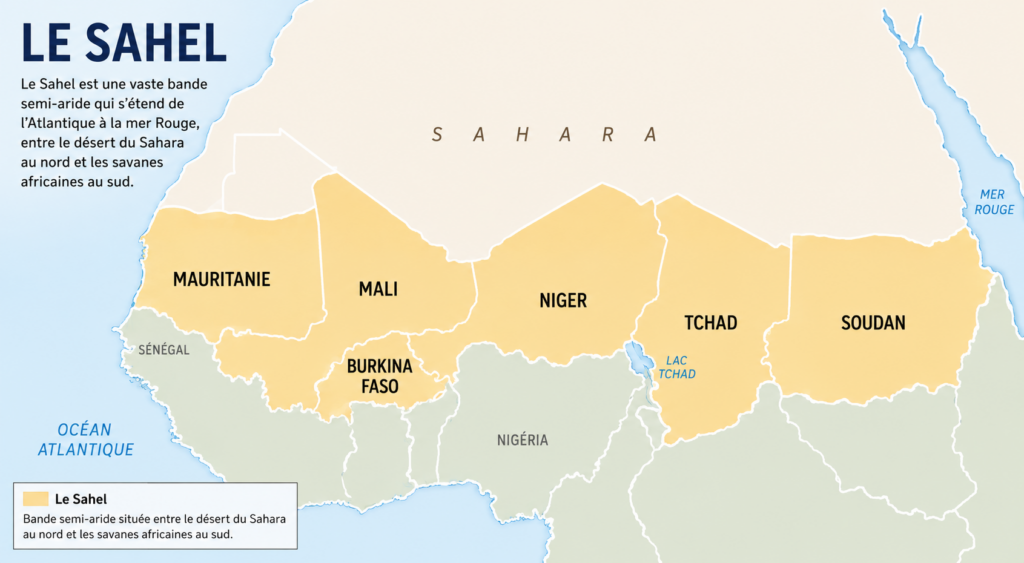
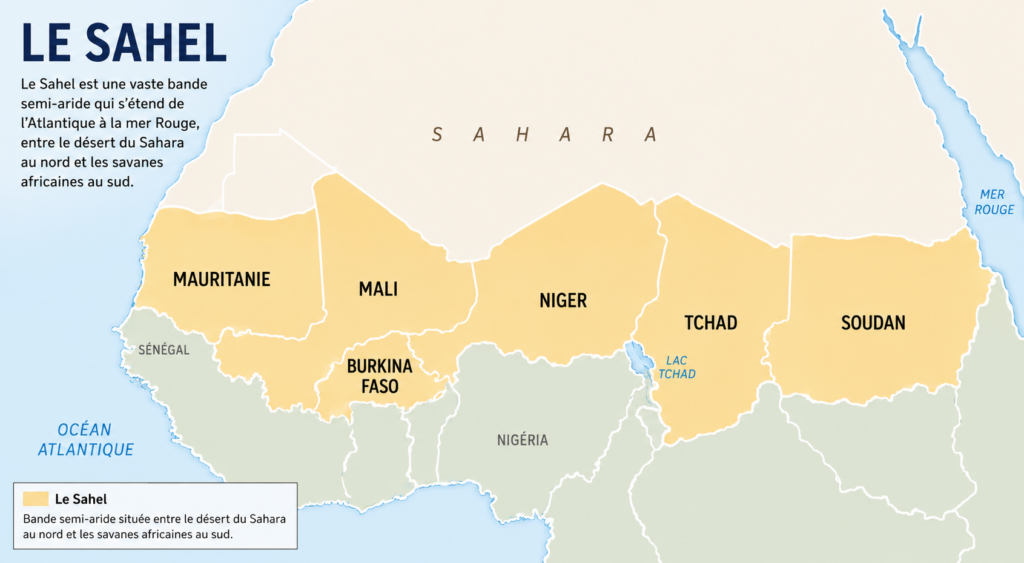
The crisis spans from Mauritania to Chad, encompassing Mali, Burkina Faso, and Niger, where millions face a perfect storm of challenges. Armed conflicts, mass displacement, soaring inflation, extreme climate events, and food insecurity are pushing communities to the brink of survival.
According to United Nations humanitarian reports, the period from June to August—just before harvests—is particularly critical. Nearly 15.5 million people could face food crises or worse, with over 1.5 million at risk of falling into emergency conditions, requiring immediate intervention.
Behind these staggering numbers lie harsh realities: families skipping meals, farmers unable to afford fertilizers or seeds, children losing access to education, and entire communities uprooted by violence.
Humanitarian aid funding collapses
The most alarming trend is the sharp decline in international funding. In 2025, only 29% of the required humanitarian funds for the Sahel were secured—a historic low. This shortfall forces aid agencies to scale back operations, suspend critical programs, or abandon highly vulnerable areas altogether.
The timing could not be worse. Global economic tensions, particularly in the Middle East, have driven up energy, transport, and agricultural input costs, further straining already fragile communities. Every dollar cut from humanitarian budgets directly translates into less food assistance, reduced protection for women and children, and limited access to healthcare and education.
Security vacuum fuels humanitarian collapse
The food crisis is a direct consequence of worsening insecurity. Once confined to the central Sahel, armed groups now extend their reach into West African coastal nations. In many regions, violent extremists disrupt daily life, displacing populations and shutting down essential services. Nearly 12,900 schools have closed, leaving 2.3 million children without education—a long-term threat to the region’s future.
Humanitarian experts warn that the closure of schools not only deprives children of learning but also increases their vulnerability to recruitment by armed groups, particularly in areas with limited economic prospects.
Climate change accelerates suffering
Adding to the crisis is the climate emergency. Since early 2026, nearly 590,000 people have been affected by devastating floods, while prolonged droughts and desertification continue to shrink arable land and water resources.
Despite contributing minimally to global warming, the Sahel bears the brunt of its consequences—facing some of the highest climate vulnerability indices in the world.
Humanitarian leaders urge international donors to act swiftly to prevent further deterioration. While solutions exist, without increased funding, millions could face catastrophic conditions in the coming months.