
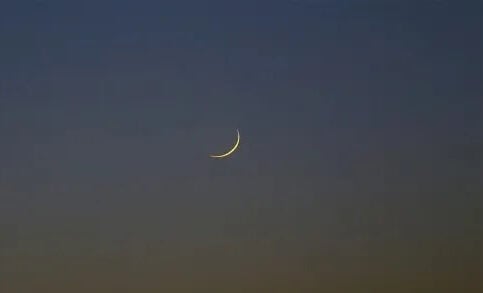
The anticipated sighting of the lunar crescent marking the start of Dhul Hijja 1447 did not materialize in Senegal on Sunday, reshaping the religious calendar for the Tabaski celebrations.
Following local astronomical observations, authorities confirmed the sighting was unsuccessful, prompting an adjustment in the Eid al-Adha schedule. The festivities will now take place on Thursday, May 28, 2026, with the Day of Arafat observed the day prior on Wednesday, May 27.
Why the delay in Tabaski celebrations?
This year’s discrepancy stems from traditional lunar observation methods, where visibility of the new moon crescent determines religious dates. While some Muslim-majority nations rely on astronomical calculations or regional sightings to announce Eid al-Adha, Senegal adheres to local moon-watching protocols. This approach often leads to staggered celebrations across different countries, as seen in neighboring Mali, where Tabaski was marked one day earlier.
The National Observatory for Religious Affairs in Senegal has emphasized the importance of these local observations, which ensure alignment with Islamic lunar traditions. Despite modern advancements, the sighting remains a community-centered ritual, reinforcing cultural and spiritual connections.




More Stories
Niger: Tiani faces fallout from special forces anger after Russian intervention
Crisis in Niger, IMF agreement in Sénégal, and Moroccan elections: Five essential stories
RDC-Israël : un rapprochement aux enjeux multiples