
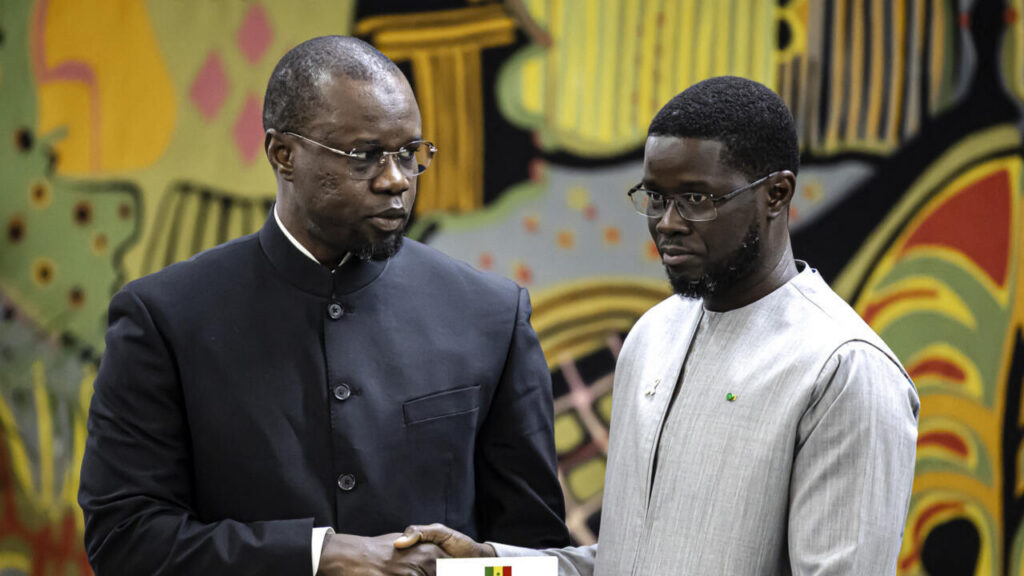
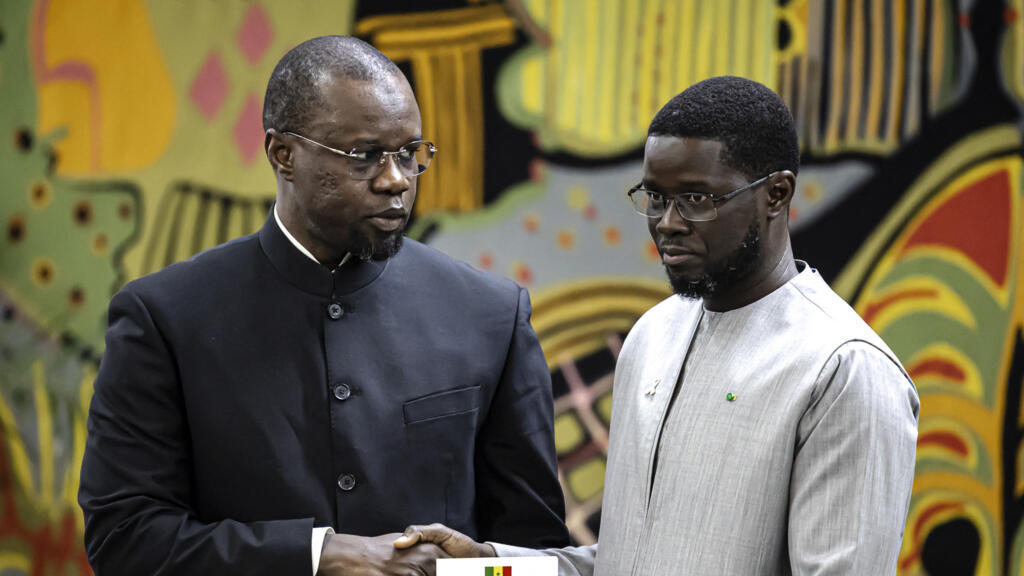
After months of escalating tensions within Senegal’s executive branch, President Bassirou Diomaye Faye has dismissed Prime Minister Ousmane Sonko. The two leaders, who rose to power together in April 2024 under the shared slogan Sonko c’est Diomaye, Diomaye c’est Sonko, now find themselves locked in a bitter political feud. What does this unexpected turn signal for Senegal’s future? And what possible outcomes could unfold in the coming months?
From unity to division: the unravelling of a political alliance
The partnership between Bassirou Diomaye Faye and Ousmane Sonko marked a historic moment in Senegal’s political landscape. Elected on a wave of popular support, their collaboration was built on mutual trust and a promise of transformative governance. Yet, as internal disagreements intensified, what began as a united front has now fractured into open confrontation.
Analysts point to diverging visions for the country’s economic and social policies as key drivers behind the split. While both leaders once championed reforms, their interpretations of national priorities have grown increasingly incompatible. With Sonko’s removal, the government faces a critical juncture in reshaping its leadership and direction.
What lies ahead for Senegal’s political scene?
With Ousmane Sonko’s departure, the government must now navigate a period of uncertainty. Several scenarios could emerge in the coming months:
- Rapid cabinet reshuffle: Faye may appoint a new Prime Minister within days, aiming to restore stability and continuity in governance.
- Parliamentary realignment: Sonko’s dismissal could trigger shifts in the National Assembly, potentially altering the balance of power between political factions.
- Public and institutional reactions: Civil society groups, opposition parties, and international observers will closely monitor developments, with potential implications for Senegal’s democratic trajectory.
- Long-term policy impact: The rupture raises questions about the feasibility of key reforms, including economic restructuring and social initiatives, previously championed by both leaders.
As Senegal stands at this crossroads, the decisions made in the coming weeks will shape the nation’s political and economic future.
We want to hear from you. How do you view this political shift in Senegal? What outcomes do you foresee in the coming months?

More Stories
Ousmane Sonko’s firm stance on Senegal’s FMI agreement demands full transparency
Senegal’s institutional crossroads: the unfolding dynamic between Ousmane Sonko and Bassirou Diomaye Faye
Minister abdourahmane diouf reignites feud with ousmane sonko over special credits reform