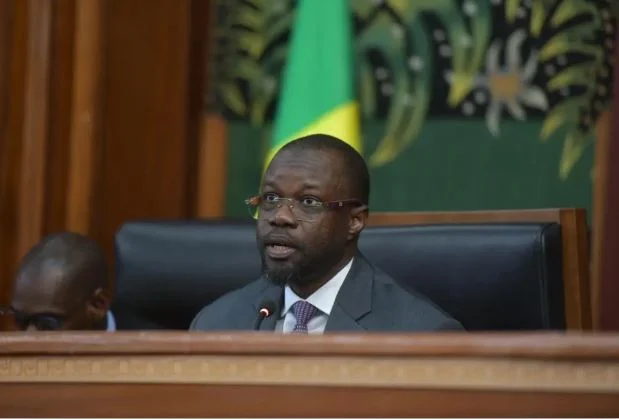
The Constitutional Council in Senegal is currently examining a high-stakes case that could determine whether opposition leader Ousmane Sonko retains his seat in the National Assembly. The legal deliberation has sparked intense debate, with lawmakers and political factions questioning the validity of his parliamentary status and the broader implications for institutional balance.
The controversy centers on allegations of procedural irregularities and potential conflicts of interest that opponents argue disqualify Sonko from serving. Critics claim his situation undermines the integrity of the legislative process, while supporters contend the allegations are politically motivated. The outcome of this review could reshape the political landscape and influence future parliamentary dynamics.
legal challenges and parliamentary integrity
The Constitutional Council faces a delicate task: balancing legal scrutiny with the need to uphold democratic principles. The body must evaluate whether Sonko’s actions or affiliations violate constitutional provisions regarding parliamentary eligibility. This decision carries significant weight, as it may set a precedent for how similar cases are handled in the future.
political fallout and public reaction
The deliberation has intensified divisions within the National Assembly, with some lawmakers calling for immediate clarity to restore confidence in the legislative process. Meanwhile, civil society groups and activists have weighed in, emphasizing the importance of transparency and fairness in resolving the dispute. The public reaction underscores the broader tensions between political accountability and institutional stability.