
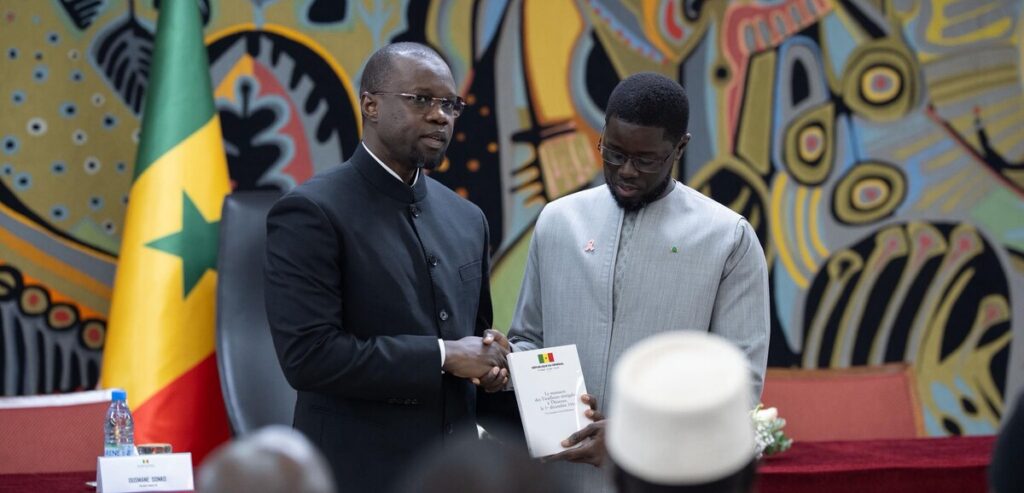
Senegal politics: Ousmane Sonko elected assembly speaker after cabinet reshuffle
In a significant political shift, Ousmane Sonko has been elected as the new President of Senegal’s National Assembly just five days after his dismissal as Prime Minister. The move follows President Bassirou Diomaye Faye’s appointment of a new head of government, signaling a period of evolving political dynamics in the country.
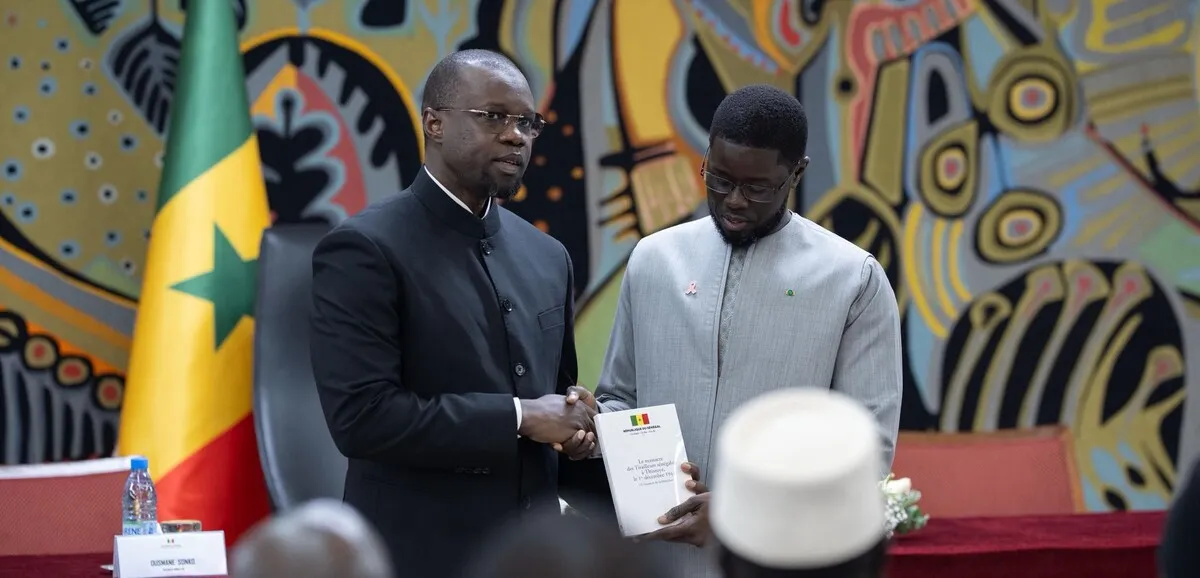
Legal and political debates surround Sonko’s return
The election of Ousmane Sonko as assembly speaker has sparked discussions about the legality of his reinstatement as a deputy. After leading the winning list in the 2024 elections, he initially opted to serve as Prime Minister. Following his removal from that position, he sought to return to the National Assembly, raising questions about procedural correctness.
Constitutional experts and parliamentary specialists have weighed in on whether his reintegration followed the required legal framework. The debate centers on whether his return to the assembly aligns with Senegal’s parliamentary rules and regulations.
New Prime Minister appointed: a strategic choice
President Bassirou Diomaye Faye has named Babacar Ndiaye, a seasoned economist and former central banker, as the new Prime Minister. Ndiaye, who previously served in government, brings technical expertise in financial markets and monetary policy—an asset in Senegal’s current economic climate.
The appointment reflects a strategic decision, as Ndiaye has previously collaborated with both the President and Sonko. Sonko himself acknowledged his role in proposing Ndiaye for a key government position, highlighting their shared history of cooperation.
While some may have expected a more politically driven appointment, the choice underscores the government’s focus on economic competence. His familiarity with both the President and Sonko could also facilitate smoother dialogue between the executive and the assembly, where the PASTEF holds a majority.
Calls for dialogue and political alignment
In his first address as assembly speaker, Ousmane Sonko emphasized the importance of national priorities, including economic accountability and justice—core pillars of the PASTEF’s agenda. He stressed that the government’s actions must align with the promises made to the Senegalese people, particularly on economic and social reforms.
While acknowledging that the Prime Minister’s appointment is the President’s prerogative, Sonko expressed regret that the PASTEF was not consulted. As the leader of the majority party in the assembly, he highlighted the need for collaboration to ensure the government’s policies reflect the aspirations of the Senegalese electorate.
The upcoming government formation will be closely watched, particularly regarding the inclusion of PASTEF members. Sonko’s statement, “One cannot do without the PASTEF”, underscores the party’s central role in shaping Senegal’s political future.
Balancing technical expertise with political representation
The appointment of Babacar Ndiaye as Prime Minister reflects a balance between economic expertise and political necessity. His background in central banking and financial policy positions him well to navigate Senegal’s economic challenges, from inflation to debt management.
The government’s next steps, including potential ministerial appointments from the PASTEF, will be critical in determining whether the administration can deliver on its promises. With Sonko now presiding over the assembly, the stage is set for potential collaboration—or tension—between the executive and legislative branches.


More Stories
Ousmane Sonko’s firm stance on Senegal’s FMI agreement demands full transparency
Senegal’s institutional crossroads: the unfolding dynamic between Ousmane Sonko and Bassirou Diomaye Faye
Minister abdourahmane diouf reignites feud with ousmane sonko over special credits reform