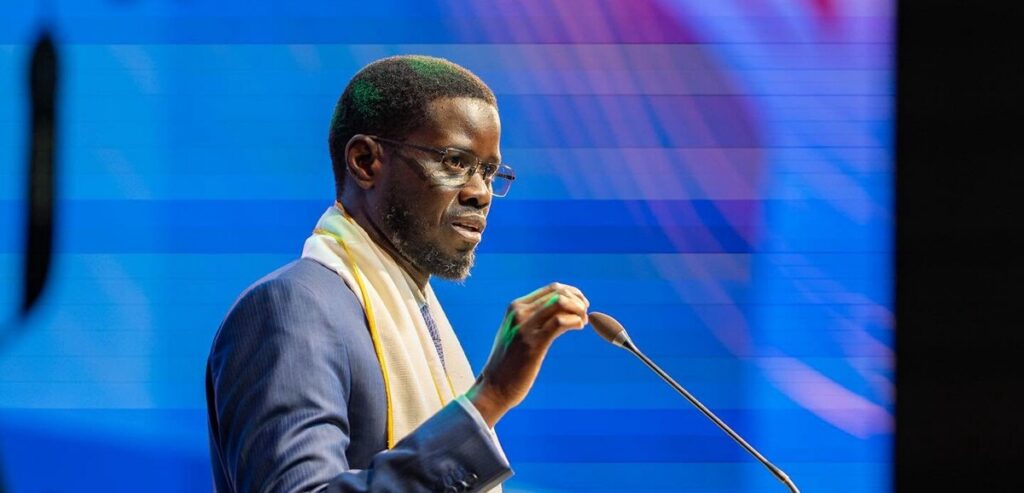
Senegal influencers sentenced to prison for criticizing the president
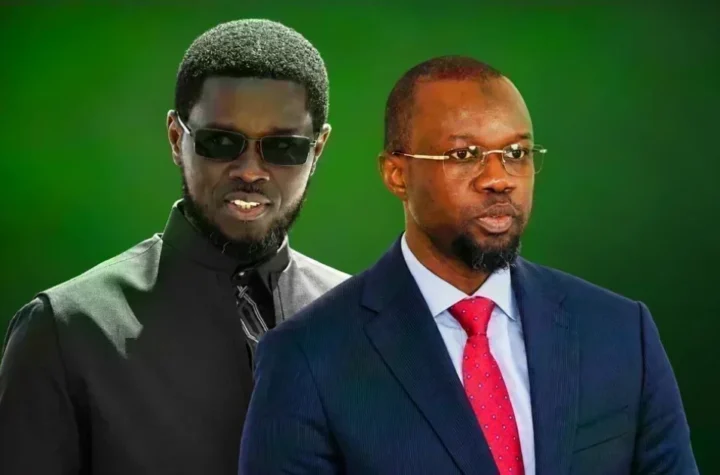
Three Senegalese social media personalities, once aligned with the former ruling party Pastef, have been handed firm prison sentences following the publication of a controversial video on TikTok. The ruling, delivered amid escalating political tensions between President Bassirou Diomaye Faye and his former ally Ousmane Sonko, underscores the growing sensitivities surrounding public discourse in the country.
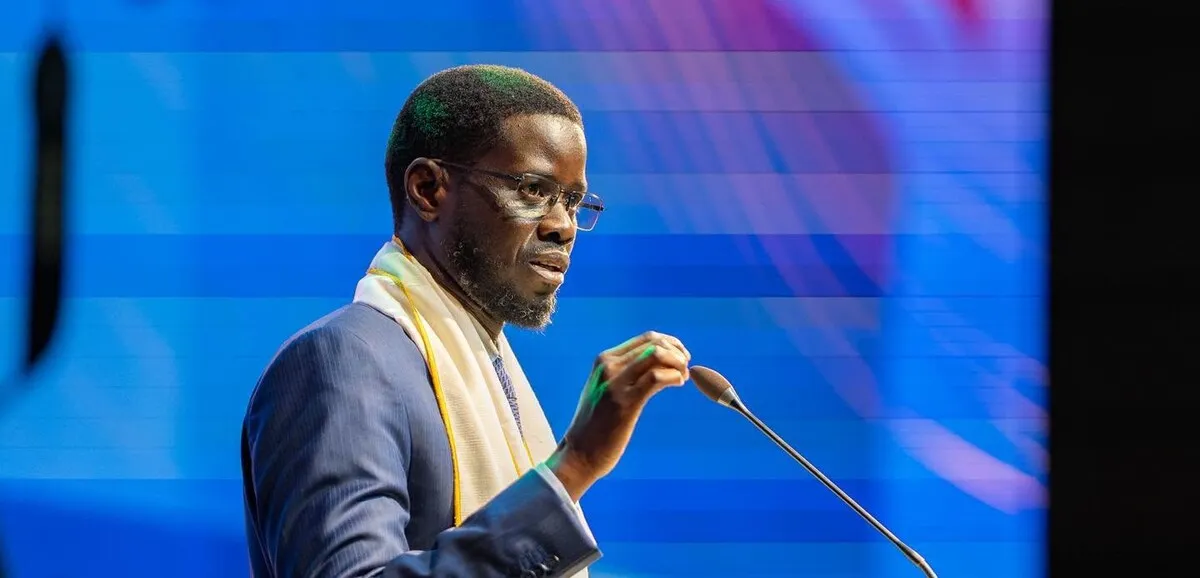
Mandoumbe Diop, widely known as Lamignou Darou, received a three-month prison term, while Magueye Diaw (Oustaz Thiep) and Moustapha Ndiaye (Ndiaye Touba) were each sentenced to two months in prison. In addition to their incarceration, the trio has been ordered to pay fines of 500,000 West African CFA francs.
The video in question, filmed during a religious gathering, included prayers directed against an unnamed figure described as “the greatest traitor of Senegal”. While the president’s name was not explicitly mentioned, the court ruled that the remarks were clearly aimed at President Bassirou Diomaye Faye. The video also contained language deemed contrary to public morals, further complicating the legal outcome for the defendants.
Political backdrop fuels legal dispute
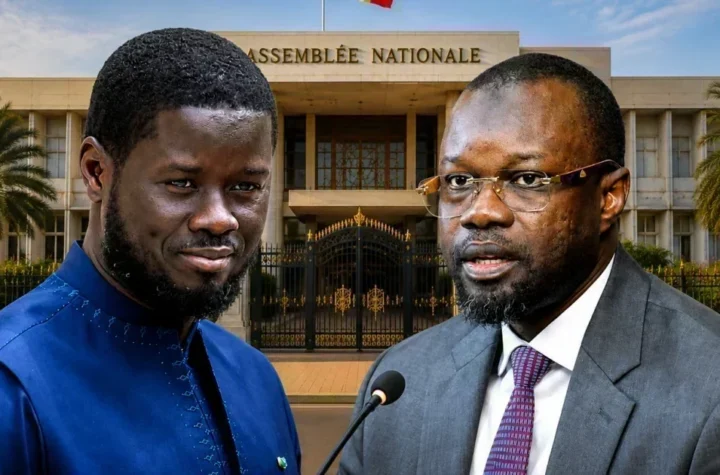
The sentencing coincides with a period of deepening political divisions between President Faye and Ousmane Sonko, his former mentor and political ally. Earlier this year, the president formalized the split by launching his own political party, signaling a definitive break from the past. The lawyers representing the three influencers have vehemently disputed the verdict, arguing that the video was a form of satirical commentary with no direct reference to the head of state. According to their defense, the ruling sets a dangerous precedent that could threaten freedom of expression in Senegal.
Lawyer Me Abdy Nar Ndiaye has announced plans to appeal the decision, calling it a violation of his clients’ constitutional rights. The case has drawn significant attention, with critics warning that the prosecution of online commentary could stifle political dissent and public debate in the country.
Broader implications for freedom of expression
The outcome of this case has raised concerns about the limits of free speech in Senegal, particularly on digital platforms. While the government has not publicly commented on the ruling, the timing of the sentencing—amid a period of heightened political polarization—has fueled speculation about its potential impact on future public discourse. Observers are closely watching how this case will influence the broader landscape of media and online expression in the country.
More Stories
Can a €544,042 pledge from Benin redefine Africa’s HIV response?
Can Benin’s port workforce transformation hinge on a €15 million Luxembourg gamble?
Burkina Faso’s shrinking public payroll: a household burden as schools reopen