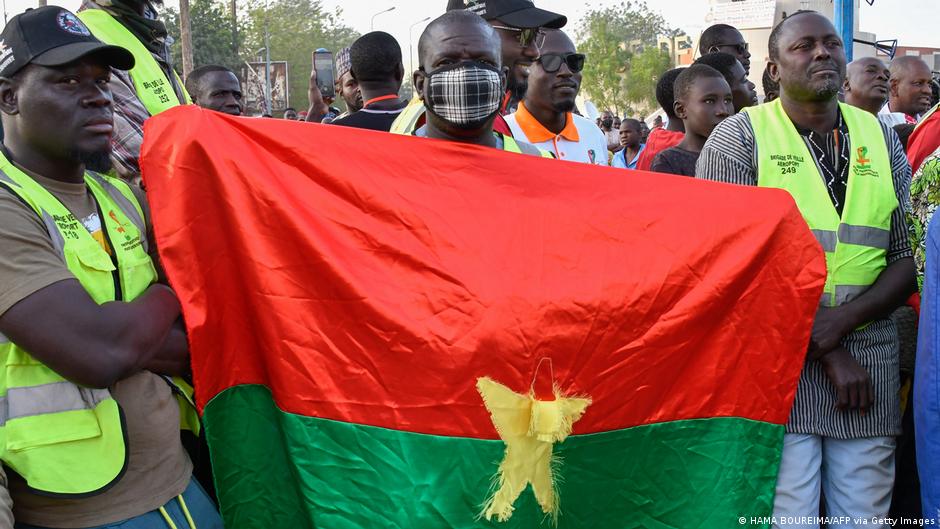
Burkina Faso’s civic space: a tightening grip under military rule
In recent weeks, Burkina Faso has witnessed a series of troubling developments that signal a rapid erosion of civic freedoms. The arrest of prominent imam Mohamed Ishaq Kindo and the suspension of the country’s largest student union stand as stark examples of this disturbing trend. These events have sparked widespread concern and raised urgent questions about the state of human rights and civil liberties in the country.
Disappearance of Imam Kindo: a community in shock
Just days before Eid al-Adha, masked security forces stormed the home of Imam Mohamed Ishaq Kindo in Ouagadougou. Eyewitnesses described a chilling scene as plainclothes officers and soldiers forcibly removed the respected religious leader. The arrest sent shockwaves through Burkina Faso’s Muslim community and beyond.
Imam Kindo was no ordinary figure. As a senior member of the Federation of Islamic Associations of Burkina Faso (FAIB), he held significant influence. His voice carried weight not only within religious circles but also in public debates. According to Newton Ahmed Barry, a Burkinabè journalist in exile, Kindo’s relationship with the ruling junta was complex: “He was initially a supporter of Captain Ibrahim Traoré, yet maintained a critical stance, particularly on government policies. He never hesitated to voice his concerns.”
One of his most contentious acts was criticizing a proposed law aimed at regulating religious practices, including public prayers. This move drew sharp reactions from authorities who viewed his stance as a challenge to their authority.
Contrasting profiles: Kindo vs. Dicko
Some observers drew parallels between Imam Kindo and Mali’s prominent cleric Mahmoud Dicko. However, Barry dismissed such comparisons. He emphasized Kindo’s unique role: “His approach was rooted in civic vigilance rather than political activism. As a member of the FAIB’s council of Islamic scholars, his primary responsibility was safeguarding religious doctrine. That’s where his focus remained.”
Information wars and unrest
The arrest triggered immediate protests. Devout followers took to the streets, clashing with security forces. Dozens were arrested, and several were reportedly transferred to a military camp in Kaya, in the Centre-Nord region. Meanwhile, a disinformation campaign unfolded. False reports claiming Kindo’s death circulated widely before being debunked by the prosecutor general. Fact-checkers identified inconsistencies in viral videos, some of which appeared to be AI-generated.
The FAIB repeatedly called for calm, urging followers to avoid violence and trust legal channels. Yet the damage was done. The episode underscored a troubling pattern of state repression and misinformation.
Fear as a political tool
Barry offered a grim analysis of the junta’s strategy: “The regime believes that fear is its most powerful weapon. By instilling terror, they aim to secure unquestioning obedience. That’s the logic behind these tactics—silence dissent, crush opposition, and rule unchallenged.”
UGEB suspension: a blow to student activism
Days after Kindo’s arrest, authorities suspended the General Union of Burkinabè Students (UGEB) for three months, with the possibility of renewal. The union, founded in 1960, has long been a vocal advocate for student rights and social justice. Its president, Bazo Wilfried, and several members were detained.
The charges? “Apology for terrorism” and “demoralization of security forces.” The UGEB had criticized the government’s handling of the security crisis, describing the situation as a “civil war” and accusing authorities of “clear incompetence” in restoring peace.
Mahamadou Idder Alghabid, Deputy Secretary-General of the Alliance of Sahel Democrats (ADS), condemned the accusations: “It’s absurd to label unarmed students as terrorists. This is a familiar tactic across the Sahel—any dissent is met with accusations of terrorism or collaboration with militants. It’s a narrative embraced by all three military regimes in the region.”
A regional pattern of repression
Burkina Faso is not alone. In Mali and Niger, human rights advocates report a systematic curtailing of civic freedoms. Organizations are dissolved, judicial harassment is rampant, and freedom of expression is increasingly restricted. The line between political criticism, labor activism, and criminal offense is rapidly disappearing.
According to the ADS, the three juntas share a common playbook: suppress dissent, silence critics, and consolidate power under the guise of national security.
Resistance persists despite risks
Despite the crackdown, voices of opposition refuse to be silenced. Many activists now operate from abroad, leveraging digital platforms to expose abuses and rally support. Alghabid remains defiant: “We’re under no illusion about the scale of our challenge—we face three military regimes. But every day, we gain ground while they lose it. Their propaganda may have worked initially, selling narratives of sovereignty and anti-imperialism. Yet today, the people see through their empty promises. They’re abandoning the putschists, one by one.”
Barry echoed this sentiment, suggesting that the regime’s excesses may ultimately hasten its downfall: “History shows that no regime survives its own brutality. Ibrahim Traoré’s junta is no exception. The Burkinabè people will not remain passive forever. Change is inevitable.”
An urgent call for solidarity
Human rights organizations are urging international partners to take a firm stance. They argue that silence only emboldens authoritarianism. “Condemning these abuses is not counterproductive—inaction is,” one advocate stated. “The international community must stop hiding behind vague justifications. The time for ambiguity is over.”
As Burkina Faso’s civic space continues to shrink, the fight for democracy and human rights grows more urgent. The world must not look away as the junta tightens its grip on power.