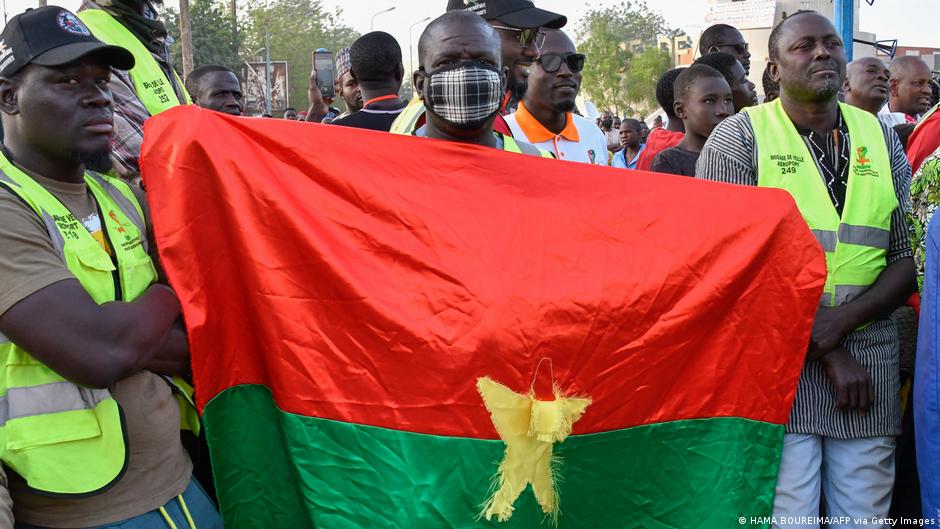
shrinking civic space in Burkina Faso’s military regimes
The arrest of Imam Mohamed Ishaq Kindo and the suspension of Burkina Faso’s main student union highlight a growing crackdown under military rule. This week has seen tensions escalate, prompting urgent analysis of the erosion of civic freedoms in the country.
Imam Kindo’s disappearance: mounting concerns
On the eve of Tabaski, witnesses reported seeing masked security forces—police and soldiers—detain Imam Mohamed Ishaq Kindo at his home. His voice carried significant weight in Burkina Faso, as noted by exiled journalist Newton Ahmed Barry:
“Imam Kindo was one of the few Muslim leaders who, though initially supportive of Ibrahim Traoré, maintained a critical stance and continued to speak out against public policies.”
His criticism reportedly targeted a proposed law regulating religious practices, including public prayers.
A distinct voice in the Sahel
Some observers drew parallels with Mali’s Imam Mahmoud Dicko, but Barry cautioned against such comparisons:
“I don’t believe Imam Kindo sought that role or stature. His approach was more about civic vigilance on issues within his domain. As a member of the Federation of Islamic Associations of Burkina (FAIB), his focus was on preserving Islamic doctrine.”
Unrest and disinformation
The imam’s arrest sparked immediate backlash. Protests erupted, clashes left multiple injured, and dozens were detained. The FAIB repeatedly urged calm.
A parallel battle unfolded in the information space. A fabricated statement claiming the imam’s death circulated before the prosecutor general debunked it. Other materials, including videos allegedly showing abuses, contained inconsistencies flagged by AfricaCheck and may have been AI-generated.
Reports indicated some detained followers were transferred to Kaya, in the Centre-Nord region, where a military camp is located.
Questioning the strategy of fear
Barry framed these events within a broader pattern: “The junta’s logic seems clear: the more fear they instill, the easier it is to control society. They’re traumatizing the population to secure their grip on power.”
UGEB suspension: targeting student dissent
Another major development: the three-month suspension—renewable—of the General Union of Burkinabè Students (UGEB), founded in 1960. Its president, Bazo Wilfried, and several members were detained.
The union faces accusations of “terrorist propaganda” and “undermining morale in the armed forces” after criticizing the security situation, describing it as a “civil war” and highlighting the authorities’ “manifest incompetence” in restoring safety.
Mahamadou Idder Alghabid, Deputy Secretary-General of the Alliance of Sahel Democrats (ADS), dismissed the charges:
“It’s laughable to accuse unarmed students of terrorist propaganda. But this refrain is now familiar across the Sahel. Any dissent is swiftly crushed, with critics branded as terrorists or allies of armed groups.”
A regional pattern of repression
In Burkina Faso, Mali, and Niger, human rights advocates warn of a systematic erosion of public freedoms. Dissolutions of organizations, judicial pressure, and curbs on free expression are becoming the norm under military rule.
According to the ADS, the line between political dissent, union activism, and criminal offenses is blurring.
Persistent resistance amid repression
Despite the risks—arrests, abductions, and violence—voices of opposition continue to speak out, often from abroad.
Alghabid affirmed: “We’re under no illusion about the scale of the fight ahead. We’re up against three military regimes. But every day, we gain ground and they lose it. The propaganda that once worked—sovereignty, anti-imperialism—has failed. The people are waking up to the emptiness of these promises. They’re abandoning the putschists.”
Calls for international solidarity
Human rights organizations urge sustained global support. Ilaria Allegrozzi of Human Rights Watch stressed: “We must defend spaces for expression, civil initiatives, and peaceful democratic resilience. Partners of Burkina Faso should stop hiding behind the idea that criticizing the junta is counterproductive. Silence and ambiguity only legitimize authoritarian excesses.”
Rejecting the normalization of military rule
Human Rights Watch added: “We must call out abuses for what they are. The seizure of power by military juntas cannot become an acceptable norm, nor can blatant human rights violations be ignored.”