Diplomatic stagnation in the RDC
The high-profile negotiations held in Washington, Doha, and Montreux once offered a glimmer of hope for stability in the region. However, the current situation on the ground suggests these efforts have yielded nothing more than superficial progress, leaving the core conflict in the RDC largely unresolved and the promises of peace unfulfilled.
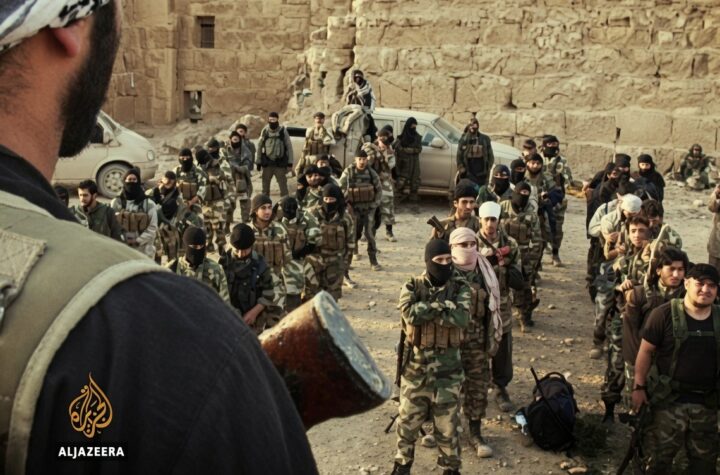
While international observers looked for signs of a genuine retreat, the movements of the Rwandan Defense Forces and the AFC/M23 have been characterized as mere tactical shifts. Rather than a full withdrawal, these groups have simply repositioned themselves within a 15 to 20-kilometer radius. Furthermore, advanced military equipment, including sophisticated anti-aircraft systems from Rwanda, continued to be deployed into the region as recently as April 2026, with no evidence of a subsequent pullout in the following weeks.
Internal failures and broken promises
The RDC government also shares the burden of this diplomatic deadlock. Despite formal commitments to neutralize the FDLR, these forces remain active and continue to operate in coordination with the national army, the FARDC. This lack of compliance has significantly undermined the credibility of the peace process and fueled ongoing hostilities.
The internal dynamics of the AFC/M23 reveal further complications that threaten any lasting agreement. A deep ideological divide has emerged between the movement’s political figures and its military command. While leaders like Corneille Nangaa and Joseph Kabila have set their sights on seizing power in Kinshasa, the military wing remains focused exclusively on operations within Nord-Kivu and Sud-Kivu. This disconnect between political ambition and military strategy continues to destabilize the movement from within, making a unified peace deal even more elusive.

More Stories
Can Cameroon and CEMAC’s capital markets truly fuel sustainable economic growth?
Is the AES currency a real game-changer for West Africa or just political rhetoric?
Is Senegal’s 2026 budget revision pushing the economy to the brink?