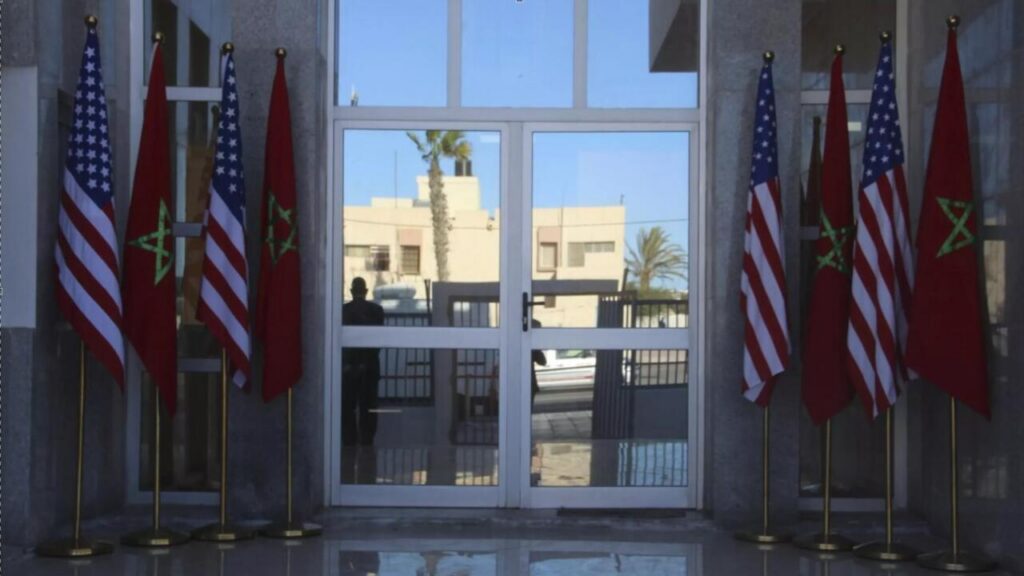
Since late July, the United States has demonstrably intensified its economic and diplomatic engagement with Morocco. This growing rapprochement builds upon a pivotal moment in 2020, when Washington previously extended its backing to Morocco’s autonomy plan for Western Sahara, a decision intertwined with the kingdom’s agreement to normalize relations with Israel.
Currently, the diplomatic trajectory suggests an even broader scope of American support. Indications point towards Washington’s readiness to also endorse Moroccan sovereignty claims over the Spanish enclaves of Ceuta and Melilla. This shift exerts immense pressure on Spain, especially in the wake of last week’s significant events where tens of thousands of individuals, comprising Moroccan nationals and sub-Saharan migrants, entered the territory of Ceuta.
Geopolitical shifts and US influence
Riccardo Fabiani, who serves as the North Africa Director at the International Crisis Group, offers crucial insights into the broader geopolitical context and the expanding influence of the United States within the region. He sheds light on the strategic ramifications of these evolving alliances and territorial claims.


More Stories
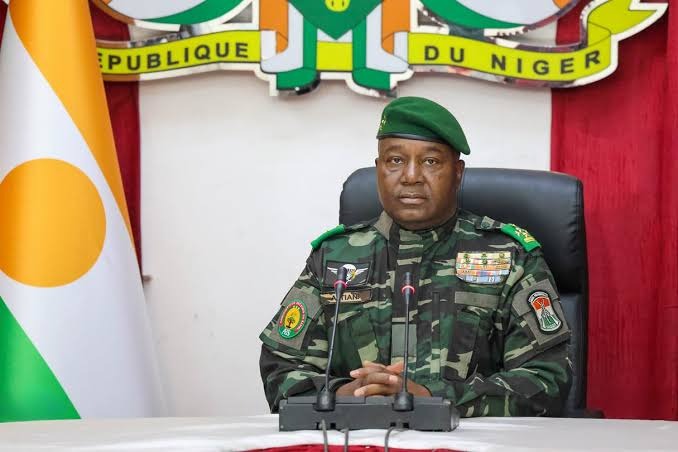
Can General Tiani survive the army he once commanded in Niger?
Mali’s information war: can the public still trust the news when Maliweb.net amplifies the army’s narrative?
Will West Africa’s sleeping savings finally become its financial lifeline?