
Unravelling democracy: a grim assessment three years post-coup in Niger
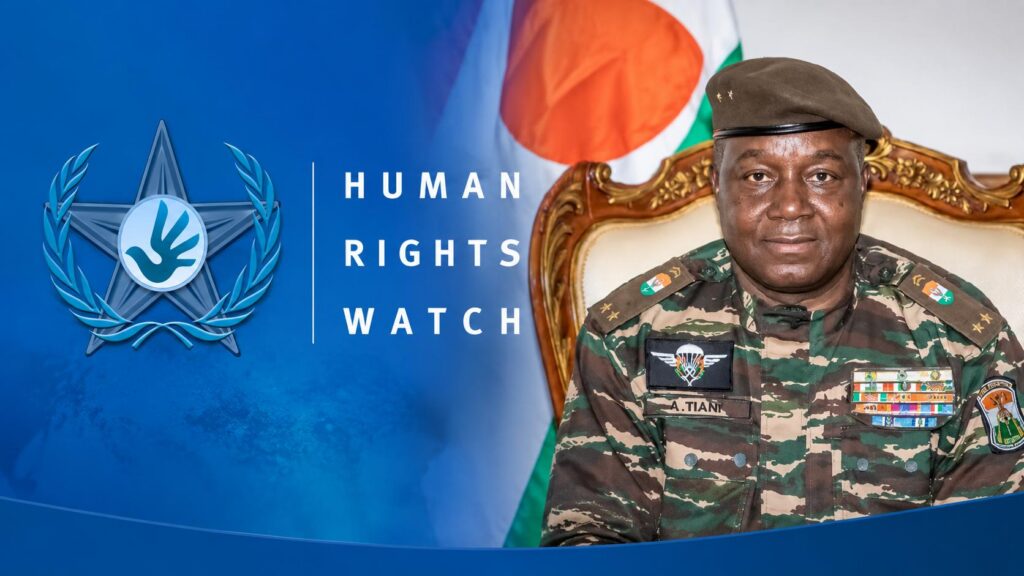
Since the Niger military seized power on 26 July 2023 under the leadership of General Abdourahamane Tiani, the country has witnessed a steady erosion of democratic norms. A landmark report now exposes the extent of this decline, painting a stark picture of institutional collapse, civic repression, and international isolation.
The dismantling of democratic pillars
Human rights organisations warn that the National Council for the Safeguard of the Homeland (CNSP) has systematically dismantled the foundations of democracy under the pretext of national security and sovereignty. Arbitrary detentions, shuttered judicial avenues, and the silencing of dissent have become systemic features of the new order.
Symbolic detentions and judicial overreach
Ongoing detention of former President Mohamed Bazoum and his wife remains a stark reminder of the regime’s uncompromising stance. Despite repeated calls from global institutions and United Nations bodies urging their immediate release, military authorities have refused to yield. Meanwhile, civil society has borne the brunt of this repression, exemplified by the December 2024 arrest of Moussa Tiangari, a prominent human rights defender. Authorities recently amended the penal code, extending pre-trial detention from 12 months to four years in terrorism-related cases, a move critics label as a blatant retroactive manipulation of justice.
Silencing dissent: media and opposition under siege
The crackdown extends across multiple fronts:
- Political and civic life: All political parties have been dissolved, while independent unions and NGOs have had their operations suspended or shut down.
- Press freedom: A revised cybercrime law has enabled authorities to target dissenting voices. In October, six journalists in Niamey were detained merely for publicising a press conference invitation.
- Exile and citizenship stripping: The regime has intensified pressure on opposition figures abroad, including revoking the nationality of Mariama Djibrine, a well-known regional activist.
A society under strain: new laws and international isolation
In March, the government passed amendments to the penal code, introducing sentences of five to 20 years for same-sex relations and LGBT support activities. This has already triggered a wave of arrests and disrupted vital public health programmes. At the same time, Niamey’s withdrawal from the Economic Community of West African States (ECOWAS) and the International Criminal Court (ICC) in June has deepened the country’s diplomatic isolation, leaving citizens with diminished legal protections amid persistent insecurity in regions like Tillabéri.
With civil liberties shrinking and political space collapsing, human rights advocates are urging the international community to move beyond passive engagement and take decisive action. Their demands centre on the immediate release of political prisoners and the restoration of a credible pathway toward civilian governance.


More Stories
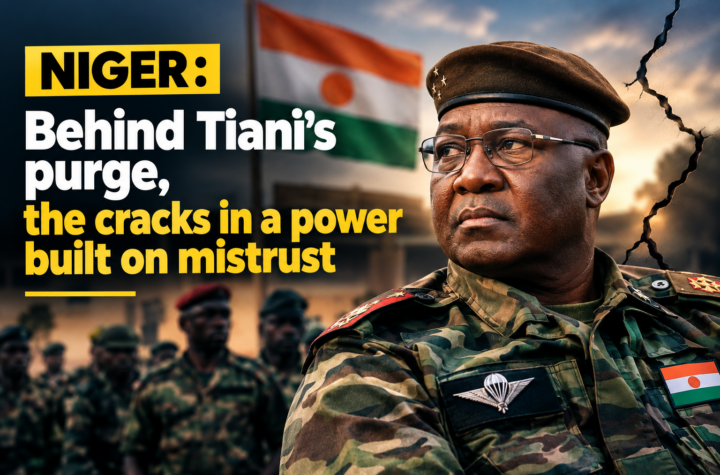
Niger : ce que les remaniements militaires disent des tensions au sommet du pouvoir
Togo’s enduring power question: Faure Gnassingbé and the shifting architecture of rule
Educational decay overshadows symbolic cartography in Togo