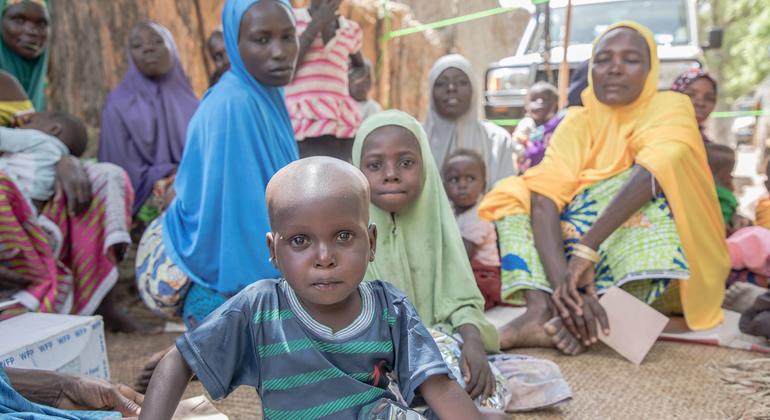
The United Nations High Commissioner for Refugees (UNHCR) has raised urgent concerns about the rapidly deteriorating humanitarian crisis in the Sahel region.
Over 3.3 million people across Burkina Faso, Mali, and Niger have been forcibly displaced due to relentless conflict, worsened by the escalating impacts of climate change, as of April 2024.
Alpha Seydi Ba, spokesperson for the UNHCR West and Central Africa Regional Bureau, emphasized the urgency of the situation during a press briefing in Geneva, stating, “This staggering number of forcibly displaced civilians demands immediate international action to prevent further deterioration.”
The UNHCR highlights that the security situation in the central Sahel remains volatile, forcing individuals to flee their homes in search of safety. Protection risks are widespread, particularly affecting women and children who face heightened vulnerability to exploitation and abuse.
2.8 million internally displaced in Burkina Faso, Mali, and Niger
Surveys from the first quarter of 2024 reveal that displaced communities and host populations perceive theft, attacks on civilians, and gender-based violence as the most pressing threats. 2.8 million people have been internally displaced in these three countries over the past four years, while the number of refugees from the region has surged to 550,000 during the same period.
In Burkina Faso, the dual threats of violence and inadequate living conditions perpetuate a cycle of instability. Over the past year, more than 117,000 Burkinabe refugees have sought refuge in neighboring coastal countries, according to April 2024 data.
Currently, there are over 200,000 Malian refugees in Mauritania, 130,000 in Niger, nearly 40,000 in Burkina Faso, and 50,000 who have fled to Algeria but lack access to asylum procedures.
Mali hosts approximately 94,000 refugees, primarily from Burkina Faso, Niger, and Mauritania, while also grappling with over 354,000 internally displaced persons within its borders.
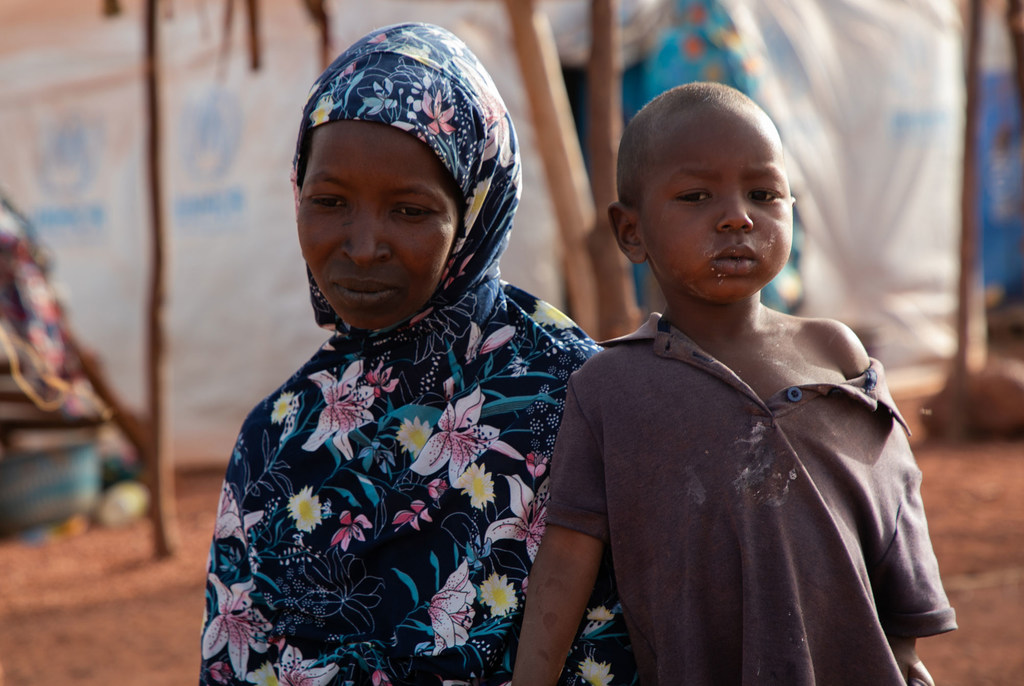
Collaborative approach needed among humanitarian, development, and peace actors
The UNHCR stresses that the rise in cross-border movements underscores the deepening crisis and the urgent need to address Sahel’s challenges by investing in protection, assistance, and sustainable solutions. While significant efforts are underway, much more remains to be done.
The agency is calling on the international community to maintain aid amid political instability in the Sahel to prevent exacerbating existing issues and reduce the likelihood of future crises. The UNHCR advocates for investments in essential social and protection systems and supporting communities before they are forced to flee.
A coordinated response involving humanitarian, development, and peace actors is crucial, with a focus on redirecting funds to local organizations actively working on the ground for a more effective and localized response. The UNHCR requires over $443 million to address urgent humanitarian needs in Burkina Faso, Mali, Niger, Mauritania, and Gulf of Guinea countries.