
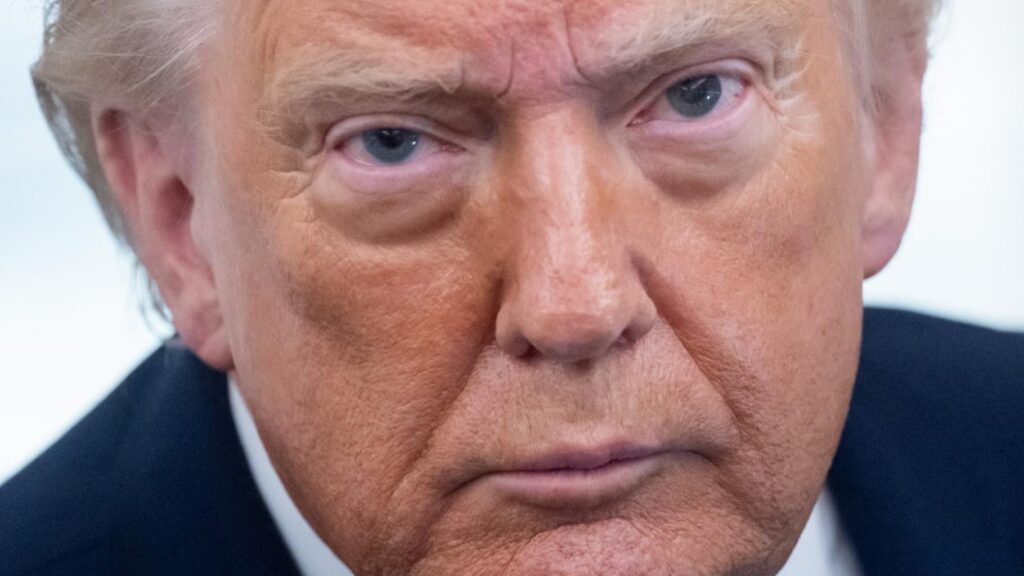
The United States is weighing a significant escalation in its counterterrorism strategy by considering direct military strikes against a powerful Al-Qaïda-linked faction operating in Mali. Intelligence assessments indicate that the Trump administration is actively debating the feasibility of such an intervention, four years after France’s withdrawal from the region following a decade of military engagement.
The proposed operation would target the Jama’at Nusrat al-Islam wal-Muslimin (JNIM), a militant group recognized as the most formidable jihadist organization in West Africa. Intelligence reports suggest that the JNIM has not only consolidated its stronghold in Mali but has also expanded its operations across coastal nations in the Sahel, intensifying regional instability.
While discussions within the administration remain ongoing, Sebastian Gorka, a key counterterrorism advisor to the National Security Council, is reportedly among the most vocal proponents of military action. However, skepticism persists among other officials who question the long-term impact of such strikes, particularly given the complex dynamics of the region.
The risks of military escalation in Mali
Security analysts warn that a unilateral US strike could exacerbate existing tensions rather than resolve them. Corinne Dufka, an independent Sahel expert, cautioned that eliminating JNIM leaders without a broader deradicalization strategy might backfire, potentially radicalizing further segments of the population. The group’s sophisticated recruitment and operational structures pose a unique challenge that military force alone may not address.
Historical precedents also raise concerns. Despite France’s decade-long military presence in Mali, followed by five years of Russian security involvement, jihadist groups have not been contained. The persistent expansion of militant networks underscores the limitations of conventional military approaches in countering ideological insurgencies.
Additionally, there are fears that a US-led operation could inadvertently strengthen rival factions, particularly the Islamic State in the Greater Sahel, which competes with the JNIM for influence. The void left by a weakened JNIM might create opportunities for other extremist groups to thrive, further destabilizing the region.
The geopolitical chessboard in the Sahel
Another layer of complexity involves the presence of Russian security contractors in Mali, who have offered their services to several African nations, including Burkina Faso and the Central African Republic. While some governments have welcomed this support, critics argue that Russia’s counterterrorism efforts have yielded limited success, as evidenced by the continued rise of militant groups in areas where Moscow operates.
A senior US official emphasized the importance of regional cooperation, stating that Washington is actively encouraging North and West African countries to bolster their counterterrorism capabilities through American military equipment and training. The official described the Sahel’s terrorism challenge as a « multinational crisis », requiring a coordinated international response rather than isolated military actions.


More Stories
Mali: attaque meurtrière contre le camp militaire de Dioura, un lourd tribut payé par l’armée
Côte d’Ivoire : le Burida redistribue 795,4 millions FCFA à 5 435 créateurs
Paris FC vs Lyon: kick-off time and TV channel for the Ligue 1 clash