A return to pragmatic relations in West Africa
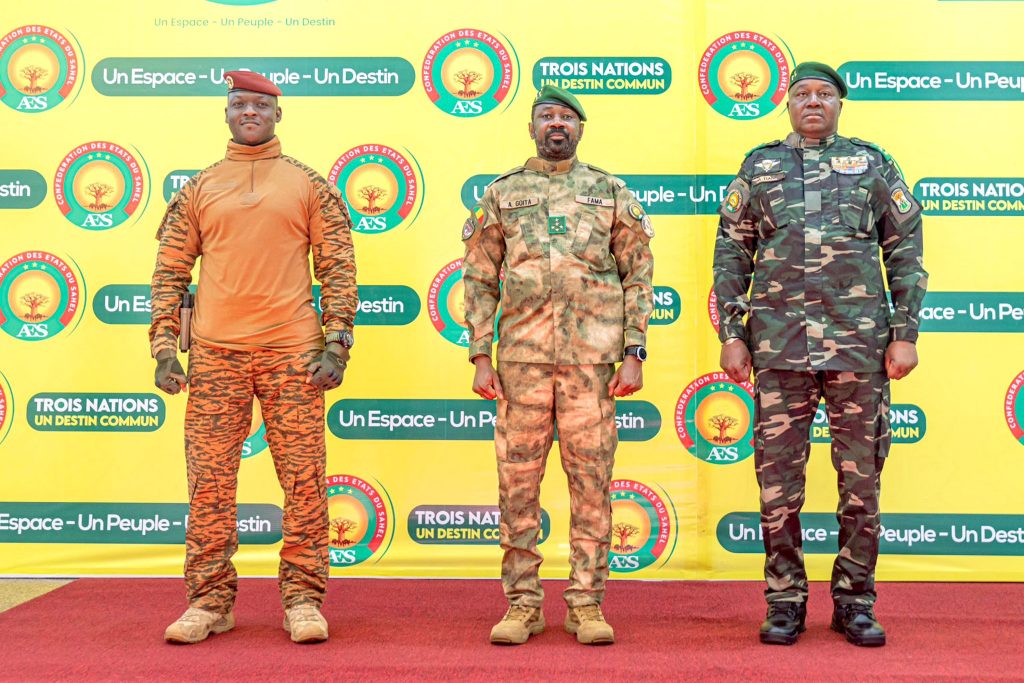
In recent weeks, a series of diplomatic maneuvers has emerged across West Africa, aimed at rebuilding bridges between ECOWAS member states and the Alliance of Sahel States (AES)—comprising Mali, Burkina Faso, and Niger. These subtle efforts are driven by a pressing security crisis and the undeniable need for shared economic strategies. This shift marks a transition toward a diplomacy of realism, where pragmatism takes precedence over political friction.

To ensure this urgent diplomacy succeeds, stakeholders are navigating a complex landscape. This involves sidestepping the contentious withdrawal of the three AES nations from ECOWAS, looking past hostile rhetoric, and managing the “cold war” atmosphere created by recent geopolitical shifts in the Sahel. The current objective is to silence old grievances and prioritize regional stability.
Côte d’Ivoire signals a desire for security cooperation
One of the most significant indicators of this shift came from Côte d’Ivoire. On June 15, the Ivorian Defense Minister, Tene Birahima Ouattara, expressed a sincere readiness to resume security collaboration with Mali and Burkina Faso. He emphasized that no single state can defeat terrorism alone, advocating for a pooling of resources. This call comes at a critical time, as some regional leaders warn that the security crisis in the Sahel could soon become unsustainable for the entire region.
While Mali and Burkina Faso acknowledge that their break from ECOWAS does not preclude bilateral ties, a sudden reconciliation with Côte d’Ivoire remains complex. Abidjan has frequently been a target of accusations from AES regimes, often portrayed as a hub for external interference. Despite this tense public narrative, Côte d’Ivoire continues to maintain discreet channels of communication and hosts thousands of refugees from its northern neighbors.
A fresh start for Bénin and Niger
Bénin is also pursuing a path of de-escalation. Following his inauguration on May 24, President Romuald Wadagni initiated outreach toward the AES countries, particularly Niger. The border between these two nations has been closed since the July 2023 coup in Niamey, leading to a breakdown in dialogue. The leadership change in Cotonou has provided a vital opportunity to move past personal disputes and restart diplomatic engagement.
This transition has already accelerated reconciliation efforts. Experts from both Niger and Bénin met in Cotonou on June 20 and 21 to draft terms for new cooperation centered on defense, security, and the reopening of their shared border. During these talks, the Niger delegation sought clarity regarding rumors of foreign military presence in Bénin. While Niamey has often claimed Bénin hosts bases intended to destabilize the region, such claims are increasingly viewed as part of a domestic narrative used by AES regimes to explain the persistent security challenges within their own borders.
Regional stability through local solutions
The movement toward normalization is expected to gain momentum. Mohamed Toumba, Niger‘s Minister of the Interior and Security, recently stated that a “new era” is beginning for Bénin and Niger, highlighting that dialogue creates value for both economies and populations. These efforts align with international calls for renewed West African unity, including recommendations from the UN and even Russia, which has urged pragmatic dialogue to counter regional threats.
Despite the formal exit from ECOWAS, AES countries remain part of the West African Economic and Monetary Union (UEMOA), and their citizens still benefit from the principle of free movement within the region. This reality suggests that the rupture between the AES and ECOWAS may be more of an “incomplete divorce” than a total separation. Ultimately, the success of these diplomatic initiatives will depend on whether regional leaders can prioritize common survival over political pride.



More Stories
The political accountability of Bassirou Diomaye Faye and Ousmane Sonko
Africa’s ai strategy: balancing innovation, sovereignty and cybersecurity
AES at two years: grand pronouncements meet Mali’s security challenges