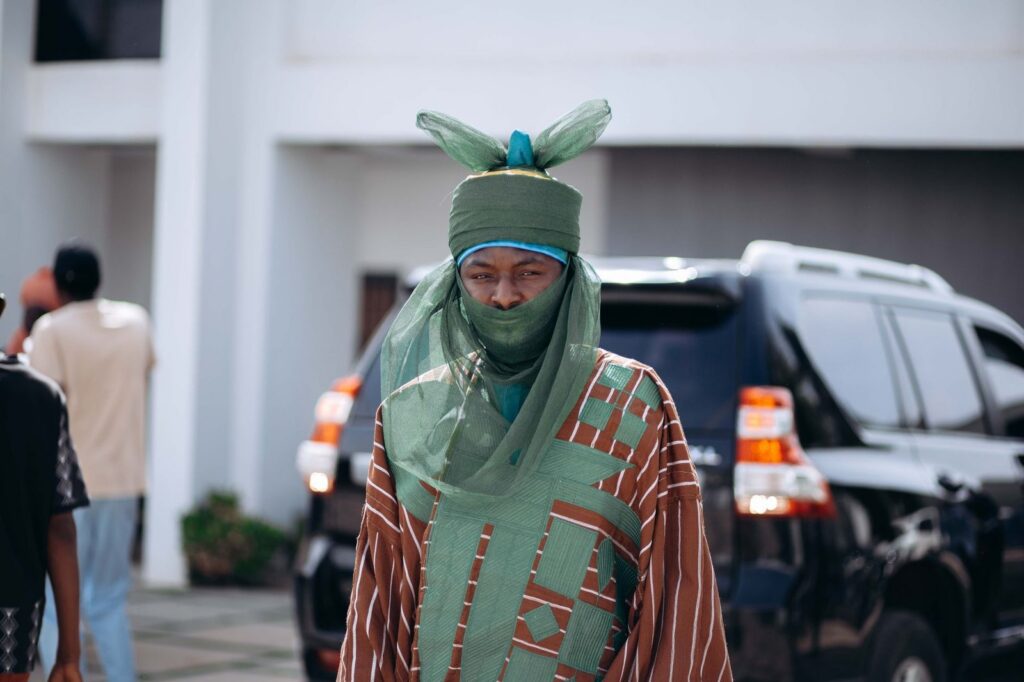
The Economic Community of West African States (ECOWAS) has significantly reinforced its diplomatic strategy concerning the Alliance of Sahel States (AES). During the recent ordinary summit held in Lungi, Sierra Leone, West African heads of state established a pivotal principle: no member nation will henceforth be permitted to initiate separate discussions with Mali, Burkina Faso, or Niger on critical regional matters. This decisive move aims to safeguard the cohesion of a regional bloc that has faced considerable strain since the three Sahelian countries officially announced their withdrawal, effective January 2025.
The commitment to a single communication channel reflects palpable apprehension in Abuja. Following the formal establishment of the AES as a confederation, several regional capitals had shown inclinations towards practical arrangements with their Sahelian neighbors, particularly concerning free movement, security cooperation, and commercial exchanges. By strictly controlling the format of engagement, ECOWAS seeks to prevent its declared solidarity from eroding due to immediate national interests.
A common front to enhance negotiating leverage
The strategy of presenting a unified front is rooted in a desire for stronger negotiating power. Confronting an AES that has built its narrative on sovereign disruption and a challenge to regional oversight, ECOWAS is banking on the combined influence of its remaining members to protect its integration achievements. The common external tariff, the free movement of people, and the preferential trade regime are among the most sensitive issues, as their compromise would jeopardize half a century of regional construction.
However, this collective approach carries a potential drawback. By prohibiting bilateral channels, the organization risks a prolonged impasse if internal consensus proves elusive. Coastal states, notably Senegal, Côte d’Ivoire, and Togo, share deep economic and human ties with the Sahelian capitals. Their vital logistical corridors serve landlocked economies whose stability is intrinsically linked to their own.
Sahel alliance strengthens its independent trajectory
On the other side, the Alliance of Sahel States continues to develop its institutional framework. A confederal passport, attempts at a common currency, and an announced joint force of 5,000 personnel to combat jihadist groups illustrate Bamako, Ouagadougou, and Niamey’s determination to forge a credible alternative entity. Diplomatic rapprochements with Russia, Turkey, and Iran are also part of this geopolitical rebalancing, which is reshaping West African dynamics.
In this evolving landscape, ECOWAS’s stance represents both a firm boundary and an invitation to dialogue. The heads of state present in Lungi reiterated their desire to maintain structured discussions with the AES on issues vital for populations, including human mobility and cross-border trade. Yet, they intend to conduct this dialogue according to their own established rules, not those dictated by the Sahelian party.
Concrete issues awaiting resolution
Several technical disputes remain unresolved and require arbitration. The status of Sahelian nationals residing within the ECOWAS space, the customs regime applicable to goods originating from the AES, the management of shared infrastructures such as the Niger Basin Authority, and the mutual recognition of diplomas all represent critical areas where a lack of agreement would quickly penalize economic actors and citizens alike.
The timeline for these negotiations was not officially disclosed following the summit. West African diplomats indicate that a technical commission is expected to be mandated to prepare the terms of engagement with Bamako, Ouagadougou, and Niamey. The current chair, Sierra Leone, will bear the responsibility of conveying this unified message to the Sahelian authorities.
A delicate political equation persists. Several member countries, including Senegal under President Bassirou Diomaye Faye, have recently advocated for a more conciliatory approach towards the AES, arguing that isolating the Sahelian regimes would be counterproductive. The collective discipline imposed at Lungi must now withstand these divergent sensitivities, lest it remain a dead letter.

More Stories
What price did Niger’s junta pay for survival after the August mutiny?
Will Benin’s 6.6 billion FCFA CCI budget for 2027 actually deliver for small businesses?
Can Ousmane Sonko and Sadio Mané’s Bambali agro park truly transform Sédhiou?