
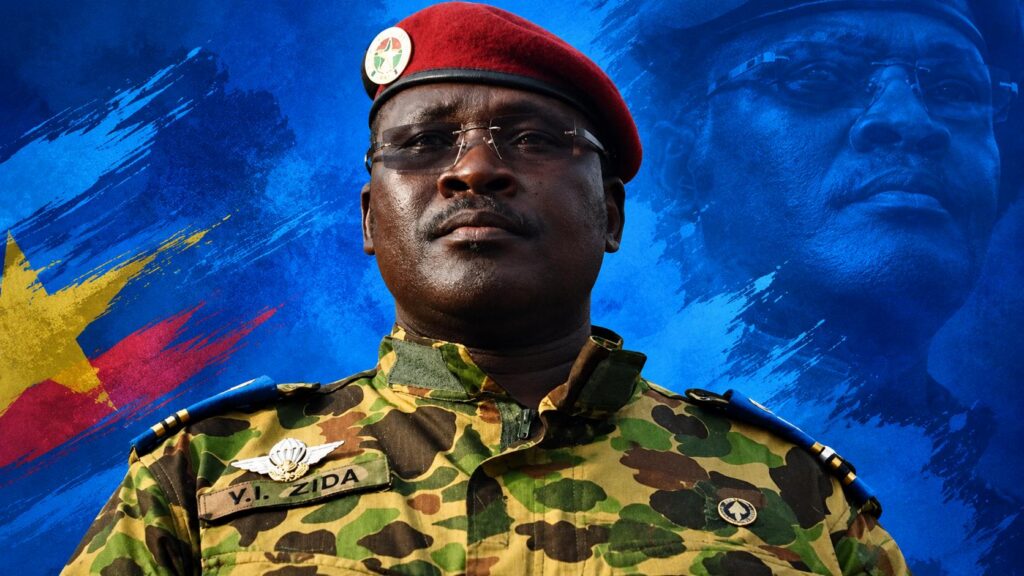
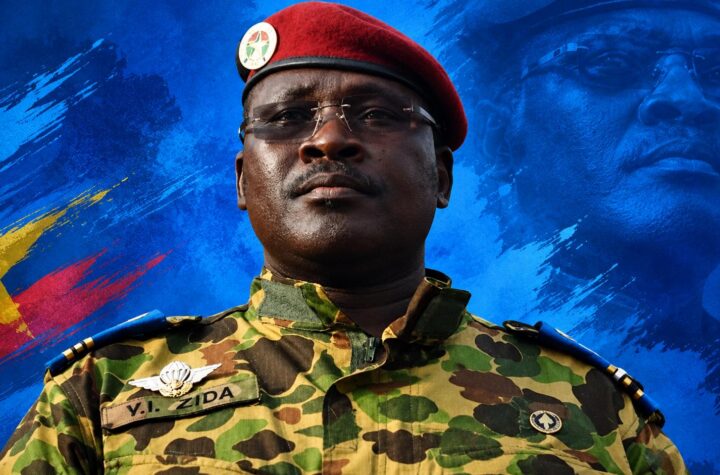
General Yacouba Isaac Zida has drawn a sharp line between real independence and its theatrical imitation. In his view, authentic sovereignty is not about picking which foreign power to lean on; it is about building the capacity to stand without leaning on anyone at all. That distinction cuts straight to the heart of Captain Ibrahim Traoré’s political project inside the Alliance of Sahel States (AES). Zida, a former transitional head of state who was stripped of his military rank for desertion and now lives in exile, is himself a living illustration of the contradictions that plague Burkina Faso’s military class—a group that keeps promising renewal while circling the same cycle of instability and broken commitments.
The rush toward Moscow and the rebranding of dependency
Ouagadougou’s eagerness to embrace Moscow under the banner of an “anti-imperialist break” looks less like liberation and more like a crude renegotiation of the terms of submission. Behind the populist slogans, the transitional government struggles to hide a chronic inability to construct genuine autonomy. Instead, the country remains locked inside four overlapping forms of external reliance.
Military and doctrinal reliance
The ambition to build a national defense tool collapses when foreign instructors and paramilitary operatives are called in as a matter of routine. Aircraft, ammunition, and light armored vehicles are often presented as locally manufactured when they are merely assembled on site—a detail that confirms total subordination to external supply chains.
The humiliation of food dependency
Self-sufficiency rhetoric runs straight into hard reality. The media spectacle surrounding the reception of Russian wheat donations, along with repeated appeals for international humanitarian aid to feed displaced populations, shows that the regime cannot even guarantee basic subsistence for its citizens.
Financial and budgetary vulnerability
Unable to fund its own crisis budget through healthy domestic resources, the military leadership resorts to financial expedients and emergency loans from new geopolitical patrons, mortgaging the economic future of coming generations.
Technological and strategic deadlock
Whether the issue is agricultural inputs or energy equipment, the absence of an independent industrial base condemns the country to beg beyond its borders for what it cannot produce itself.
The AES: a supranational slogan masking internal failure
The haste to create a confederal army and supranational structures within the AES amounts to a propagandistic flight forward.
- Surrender to domestic emergencies: Claiming to merge regional sovereignties while national territory remains largely outside state control is strategic blindness. The absolute priority should be securing populations and consolidating basic institutions—not stacking up empty shells.
- Staging legitimacy: The multiplication of summits and fiery declarations serves above all as a political shield to perpetuate unelected emergency regimes, at the expense of rigorous, realistic planning.
Authentic sovereignty is not displayed in military parades or in dependence on foreign grain handouts. By swapping Moscow’s patronage for Paris’s, Captain Traoré has not freed Burkina Faso—he has simply changed its guardian.
More Stories
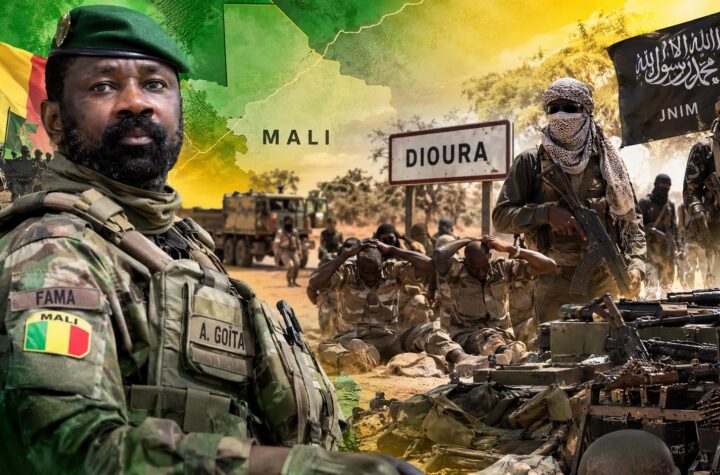
Dioura attack: 130 dead, 70 captured — Mali’s army suffers its worst defeat against JNIM
Niger’s 334 billion FCFA tax gap: when the state bows to economic giants
Benin’s AME teachers: what the 2026-2027 school year changes