Following the conclusion of the 39th African Union summit in Addis Ababa, a bold declaration echoed through the halls: silencing weapons and ending unconstitutional power grabs. But can this promise hold weight?
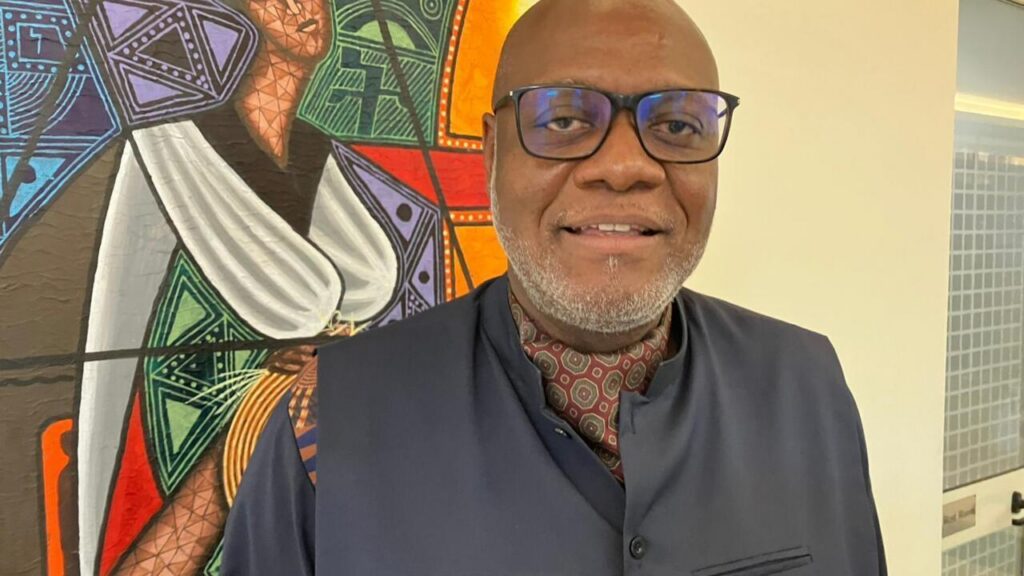
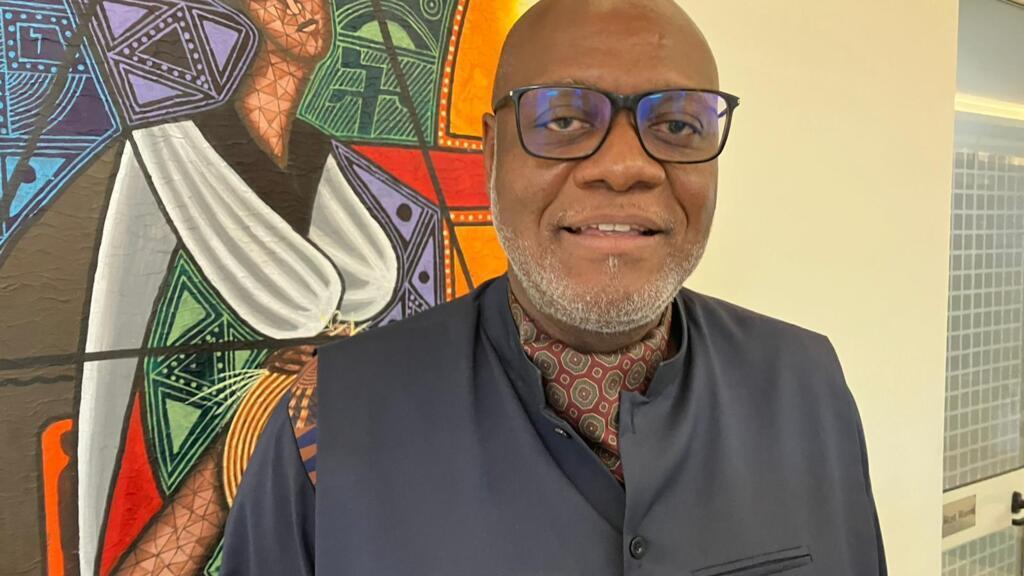
Paul-Simon Handy, a Cameroonian researcher and regional director of the Institute for Security Studies (ISS) for East Africa, was present in Ethiopia’s capital during this pivotal gathering. He joined Africa Midi to dissect the summit’s outcomes and the continent’s persistent challenges in governance.
Democracy under threat: the rise of coup leaders in elections
At the heart of the debate is a troubling trend: former coup plotters running for—and sometimes winning—public office. This phenomenon raises critical questions about the continent’s commitment to democratic principles. Handy argues that allowing such figures to participate in elections undermines the very foundations of governance.
«It is unacceptable for those who have orchestrated unconstitutional seizures of power to later be legitimized through democratic processes,» Handy emphasized. His stance underscores a growing frustration across Africa, where military takeovers have surged in recent years, eroding public trust in institutions.
Key takeaways from the summit
The AU summit’s final declaration called for a firm stance against unconstitutional changes of government. Yet, as Handy pointed out, declarations alone are not enough. Concrete actions are needed to enforce these principles, particularly in nations where coup leaders have transitioned into civilian leaders.
- Enforcement mechanisms: The AU must establish stricter penalties for countries that fail to adhere to democratic norms.
- Regional cooperation: Strengthening partnerships between African nations can help prevent and address power grabs.
- Public accountability: Citizens must demand transparency and hold their leaders accountable, regardless of their past actions.
Can Africa break the cycle?
The road to stability is fraught with challenges. While the AU’s declaration is a step in the right direction, Handy cautioned that real change requires political will. Countries must prioritize the rule of law over short-term gains, ensuring that no leader—regardless of their origins—can exploit democratic processes for personal or political advantage.
The interview with Paul-Simon Handy on Africa Midi serves as a reminder that Africa’s democratic future hinges on its ability to confront these issues head-on. Without decisive action, the continent risks normalizing unconstitutional power transitions, further destabilizing the region.