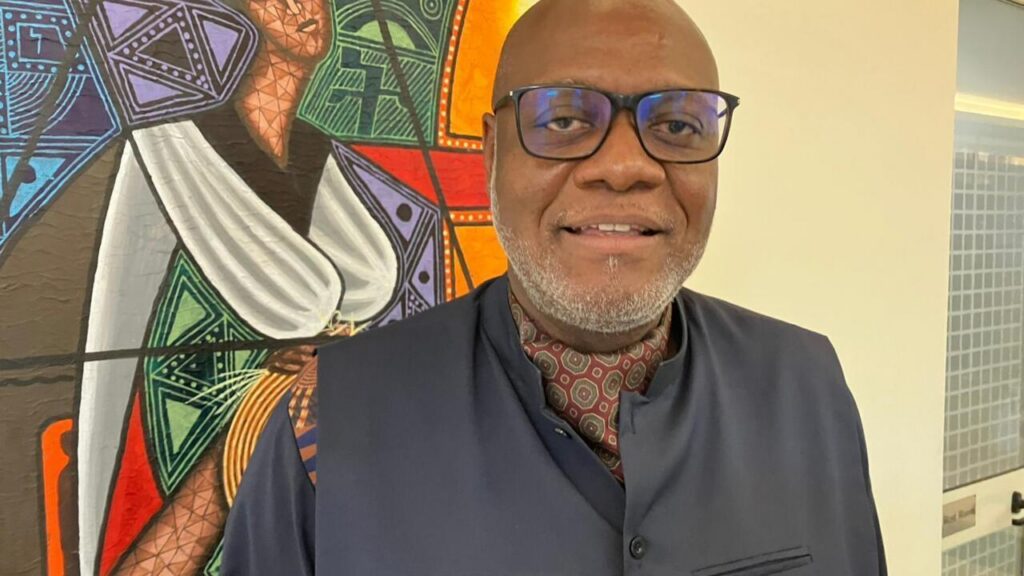

«It is unacceptable for coup plotters to be democratically elected»
The 39th African Union summit concluded with a bold declaration to “silence the guns” and end unconstitutional power transfers. But can this commitment truly be upheld? Cameroonian researcher Paul-Simon Handy, Regional Director of the Institute for Security Studies (ISS) for East Africa, attended the Addis Ababa gathering and shares his insights on the matter.
An unprecedented stance against unconstitutional power transfers
The latest African Union (AU) summit in Addis Ababa concluded with a firm resolution: no tolerance for unconstitutional regime changes. This declaration aims to reinforce stability across the continent by rejecting any form of political takeover that bypasses democratic processes. Yet, the real test lies in its implementation.
Can the AU enforce its own resolutions?
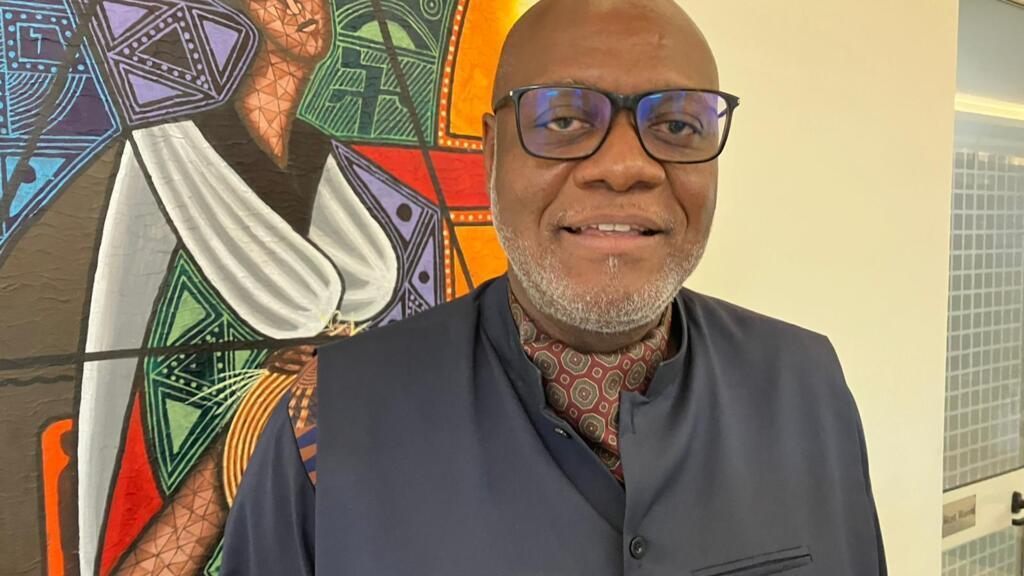
Paul-Simon Handy, Regional Director of the Institute for Security Studies (ISS) for East Africa, was present at the summit and offered his expert perspective on this critical issue. Speaking to Invité Afrique Midi, he emphasized the urgency of addressing the paradox where individuals who orchestrated coups are later legitimized through elections.
“The AU’s stance sends a strong message, but its effectiveness hinges on concrete actions,” Handy noted. “The continent cannot afford to normalize the idea that those who seize power illegally should be rewarded with electoral victories. This undermines the very foundations of democracy and sets a dangerous precedent.”
Challenges ahead for the AU’s commitment
While the AU’s declaration marks a significant step, challenges remain. Political instability in several African nations continues to pose risks, and the pressure to restore democratic governance is mounting. Handy highlighted the need for the AU to adopt a unified approach, ensuring that member states adhere to these principles without exception.
“The international community must hold countries accountable when they fail to respect constitutional order,” Handy stated. “Diplomatic and economic measures should be considered to deter unconstitutional power grabs and protect democratic processes.”
What does this mean for Africa’s future?
The AU’s latest stance reflects a growing recognition that stability cannot be achieved without upholding democratic principles. However, the road to enforcement will be fraught with obstacles. Countries facing political crises must prioritize dialogue and reconciliation, while the AU must demonstrate unwavering commitment to its resolutions.
As Handy aptly put it, “Africa’s future depends on its ability to reject impunity and embrace democratic governance. The AU’s declaration is a step in the right direction, but the true measure of success will be seen in how effectively it is implemented.”