Algeria’s water crisis: how Morocco-linked pollution threatens Tlemcen’s lifeline
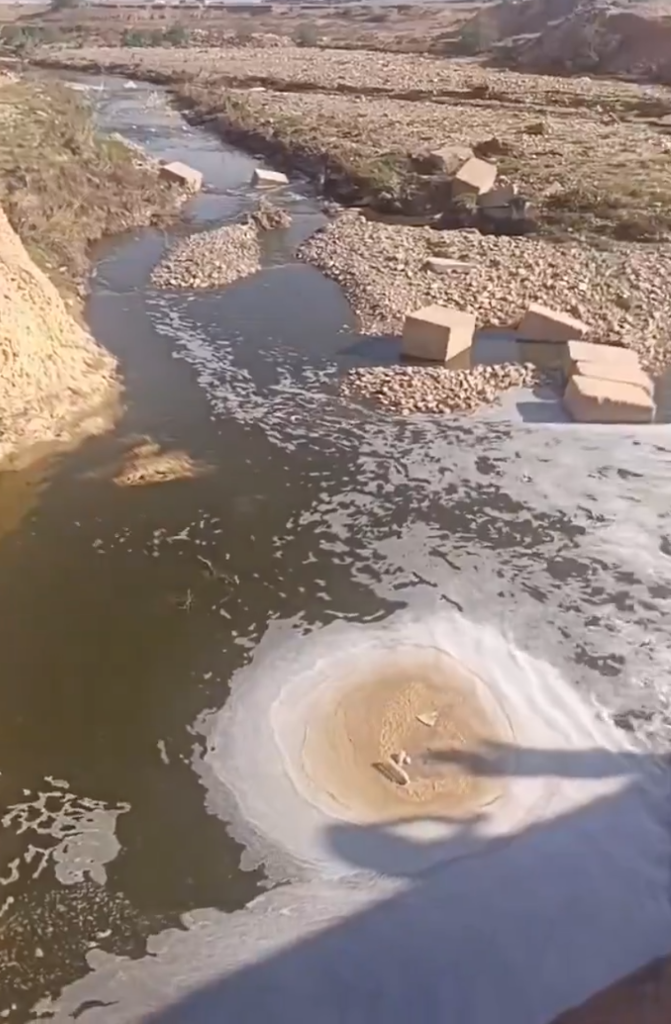
The pollution of Oued Mouilah in Algeria’s Tlemcen region has become more than an environmental concern—it now threatens to escalate into a full-blown regional water crisis. As Algerian authorities confirm toxic contamination linked to industrial and domestic discharges from Moroccan territory, the consequences for public health, agriculture, and diplomatic relations hang in the balance.
From Tlemcen to the Hammam Bougara Dam: The ripple effects of polluted water
Oued Mouilah isn’t just another river—it’s a vital artery for western Algeria. It feeds into the Hammam Bougara Dam, a critical water source for Tlemcen and nearby communities. But now, reports of dangerous chemical and microbial contaminants, including elevated nitrites, heavy metals, and pharmaceutical residues, are raising alarms.
The contamination isn’t just a local problem; it imperils drinking water supplies, increases water treatment costs, and puts ecosystems at risk. For families living along the riverbank, the damage is already visible—fish kills, foul odors, and reports of skin and respiratory issues among residents.
Who’s responsible? The cross-border blame game
Algerian officials point to industrial and domestic waste originating in Morocco, claiming it travels through Oued Isly before crossing into Algeria. But proving the source of pollution is complex. Without independent, verifiable data, identifying the exact origin of contaminants remains speculative.
- Algeria’s position: Demands accountability, citing international obligations under transboundary water agreements.
- The scientific gap: No publicly available, peer-reviewed analysis yet exists to definitively trace pollution back to Moroccan sources.
- The risk of politicization: With bilateral tensions already high, this environmental issue risks becoming another flashpoint in an already strained relationship.
Diplomatic escalation or environmental priority? What comes next
The Algerian government has hinted at taking the matter to international forums, invoking principles of transboundary environmental protection. While diplomatic threats are one thing, legal action requires concrete evidence and procedural rigor. So far, no formal complaint has been lodged, but calls from regional lawmakers signal a growing demand for accountability.
This isn’t just about water—it’s about water security in a changing climate. Both Algeria and Morocco face shrinking water supplies due to drought and rising demand. A shared river carrying poison instead of life could turn a technical issue into a sovereignty battle.
What’s needed? Science, transparency, and cooperation
Resolving this crisis demands more than political posturing. Real solutions require:
- Independent environmental testing across the entire basin, from Morocco’s industrial zones to Algeria’s water treatment plants.
- Data-sharing between both countries under neutral oversight.
- Sustainable monitoring systems to prevent future contamination.
- Public health assessments to gauge immediate risks to communities.
Water doesn’t respect borders. And when a river becomes a line of conflict, the real losers are the people who depend on it.
Can Algeria and Morocco move beyond blame?
The current standoff carries echoes of past disputes. But unlike geopolitical conflicts, water pollution demands urgent cooperation. Whether this becomes a new chapter in the Algeria-Morocco divide—or a turning point for shared environmental responsibility—depends on what happens next.
One thing is clear: Tlemcen’s water crisis could become a warning for the entire Maghreb. As climate pressures rise and populations grow, the health of rivers like Oued Mouilah will determine whether cooperation or conflict defines North Africa’s future.