
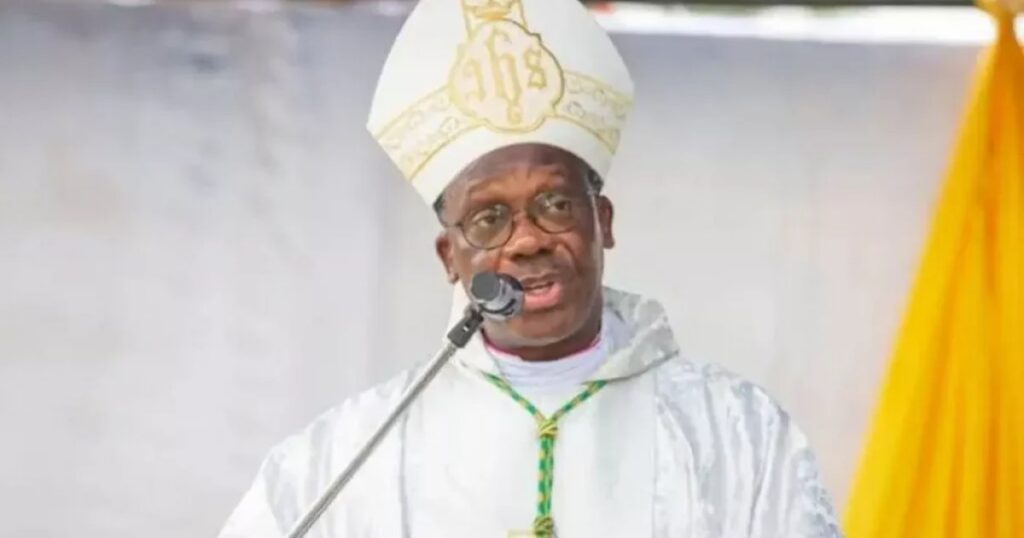
Benin conference highlights reforms and human-centered development in Africa
On Thursday, July 23, 2026, the Institut des artisans de justice et de paix (IAJP) convened a landmark conference in Cotonou that brought together religious leaders, political figures, and civil society representatives. The gathering centered on a critical theme: “Rule of law and political transition in Africa: a key driver of stability and growth.”
Strengthening institutions for sustainable progress
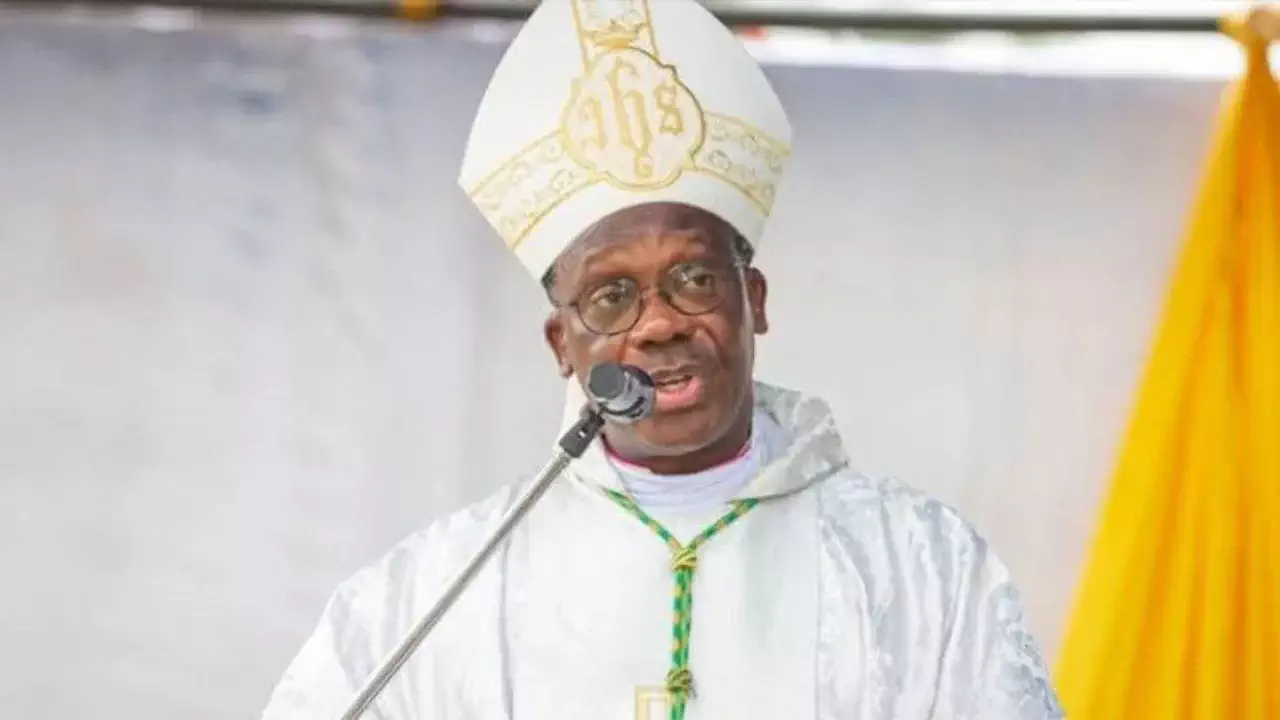
In his opening remarks, Mgr Roger Houngbédji underscored that Africa’s long-term development hinges on two pillars: robust institutions and economic prosperity. He urged African nations to prioritize rule of law, transparent governance, and an independent judiciary to create an environment conducive to sustainable growth. Without these foundations, he warned, progress remains fragile and uneven.
The Benin model: progress and ongoing challenges
The Archbishop highlighted Benin as a case study in institutional reform. He praised recent initiatives such as the establishment of the Commercial Court, modernization of business laws, and the creation of the Court for the Repression of Economic and Terrorist Offenses (Criet). These measures have significantly improved Benin’s standing in international rankings and fostered investor confidence.
Yet, he cautioned against complacency. While economic indicators have improved, critical questions persist about public freedoms, judicial independence, and democratic consolidation. Houngbédji emphasized that true progress cannot be measured by GDP alone—it must also reflect the protection of fundamental rights and civic freedoms.
Human development as the cornerstone of progress
Drawing from the Catholic Social Doctrine, the Archbishop championed the concept of integral human development. He argued that policies must transcend mere economic performance to address the real needs of citizens—ensuring access to education, healthcare, and dignified living conditions. True development, he asserted, is one that uplifts the most vulnerable and fosters social justice.
The Church’s role in fostering peace and dialogue
Houngbédji also reflected on the Church’s historic role as a mediator during political crises in Benin. From mediating post-electoral tensions in 2019 to advocating for dialogue ahead of the 2026 general elections, the Church does not seek to replace state institutions but to complement them. Its mission is to promote reconciliation and national cohesion, ensuring that political transitions remain peaceful and inclusive.
A call to action for African leaders
In his closing remarks, the Archbishop urged African leaders to strike a balance between economic efficiency, justice, pluralism, and fundamental rights. He stressed that the continent’s future depends on leaders who govern with integrity, transparency, and a commitment to the common good. Only then can Africa achieve the stability and prosperity its people deserve.
As the conference drew to a close, participants left with a renewed sense of purpose: development must be human-centered, institutions must be strong and accountable, and peace must be actively nurtured through dialogue and collective effort.

More Stories
Ousmane Sonko rallies Pastef supporters in Bargny for membership drive
Côte d’ivoire electoral reform: 2pfj urges broad inclusive dialogue
Niger and ECOWAS: breaking the diplomatic deadlock