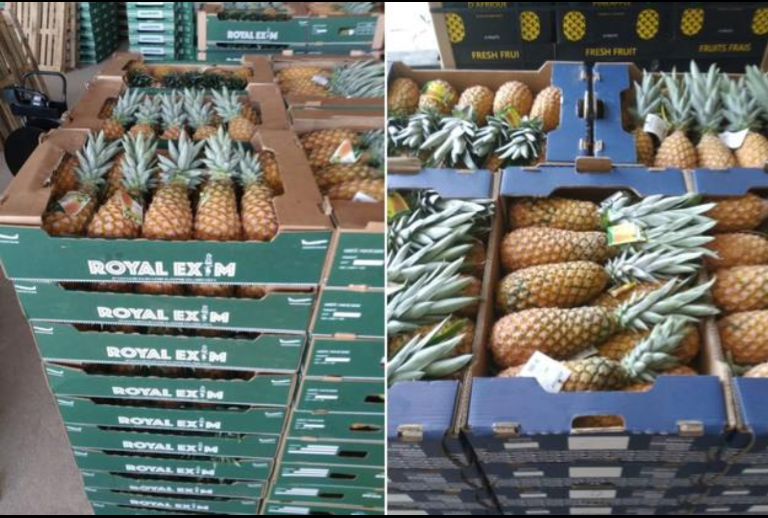
The surge in Beninese exports to the United Kingdom has raised eyebrows among economists and business leaders, highlighting both opportunities and structural challenges for West Africa’s growing economy. Over the twelve months ending June 2026, Benin’s sales to the UK skyrocketed by 62.5%, totaling £13 million—a stark contrast to the decline in British exports to Cotonou during the same period.
From market entry to economic leverage: the real-world stakes of Benin’s export boom
While the 62.5% jump in Beninese exports paints a picture of success, its broader impact on local businesses, farmers, and the national economy tells a more nuanced story. The rise in shipments—primarily fruit and vegetables—has not yet altered the fundamental imbalance in trade flows, with the UK still exporting five times more to Benin than Benin exports to the UK. Still, the momentum signals a turning point in how Benin positions itself within global supply chains and competes in high-value markets.
The growth is especially significant for smallholder farmers and food processors, many of whom have struggled to access international buyers due to stringent quality and certification demands. With UK demand for Beninese goods reaching £5.2 million in produce alone, the export surge demonstrates that local producers can meet—and even exceed—global standards when given the right support and infrastructure.
Fruit and vegetables lead the charge, but systemic hurdles remain
At the heart of the export surge is a 400% increase in merchandise exports, driven largely by fresh produce. This category now represents nearly 40% of Benin’s total exports to the UK, up from minimal levels just a few years ago. Palm oil, cashews, and citrus fruits have also gained traction, signaling growing diversification beyond traditional staples like cotton and coffee.
Yet, for every metric of progress, there are persistent challenges that threaten to slow momentum:
- Compliance costs: Adhering to EU food safety and UK import regulations requires significant investment in certification, testing, and traceability systems.
- Post-harvest losses: Weak cold chain infrastructure and limited storage facilities lead to spoilage, especially during transit from rural farms to coastal ports.
- Logistics gaps: High freight and insurance costs erode profit margins, making it harder to compete with larger suppliers from East Africa or Latin America.
- Access to finance: Many exporters lack the working capital needed to scale up production and meet buyer requirements.
UK market opens up, but trade deficit widens the gap
Despite the export surge, the trade imbalance persists. British goods and services still dominate bilateral commerce, accounting for £54 million of the £67 million total trade value. This represents a 6.9% decline from the previous year, but the gap remains wide: the UK exported over four times more to Benin than Benin did to the UK.
This disparity underscores a deeper issue—Benin’s export base remains narrow and vulnerable. While commodity prices fluctuate, structural bottlenecks in logistics, processing, and certification continue to limit the country’s ability to capture higher-value segments of the market.
The path forward: turning potential into sustainable gains
To convert this export momentum into long-term economic benefits, several strategic moves are essential:
Diversify the export basket
Benin’s reliance on a handful of agricultural products makes its economy vulnerable to price shocks and climate risks. Expanding into processed foods, cosmetics using shea and cashew derivatives, and niche organic products could reduce dependency on raw commodity sales.
Invest in trade facilitation
Improving customs efficiency, streamlining border procedures, and adopting digital tracking systems can cut delays and costs. Regional collaboration through the Economic Community of West African States (ECOWAS) could help harmonize standards and reduce non-tariff barriers.
Strengthen local value addition
Instead of exporting raw cashews or palm fruit, processing them into kernels, oil, or even finished goods in Benin would capture more value domestically. This not only boosts GDP but also creates jobs in rural areas.
Target new UK niches
The UK’s post-Brexit pivot toward Africa offers untapped opportunities in sustainable and organic goods. Benin’s favorable climate and rich biodiversity are assets that could be marketed to health-conscious UK consumers.
Two data sets, one story: why the numbers matter
It’s important to note that the export figures cited come from UK trade statistics—not Beninese records. These data sets are compiled using different methodologies, and discrepancies are common. While UK records show a 62.5% increase, Benin’s own trade data may show a smaller or larger jump. Regardless, the trend toward greater Beninese presence on UK shelves is undeniable.
For Benin, the question is no longer whether its goods can sell in Europe, but how quickly it can build the systems, skills, and infrastructure to sustain and expand that success. The export surge is a success story—but it’s only the first chapter in a much longer journey toward economic resilience and global competitiveness.