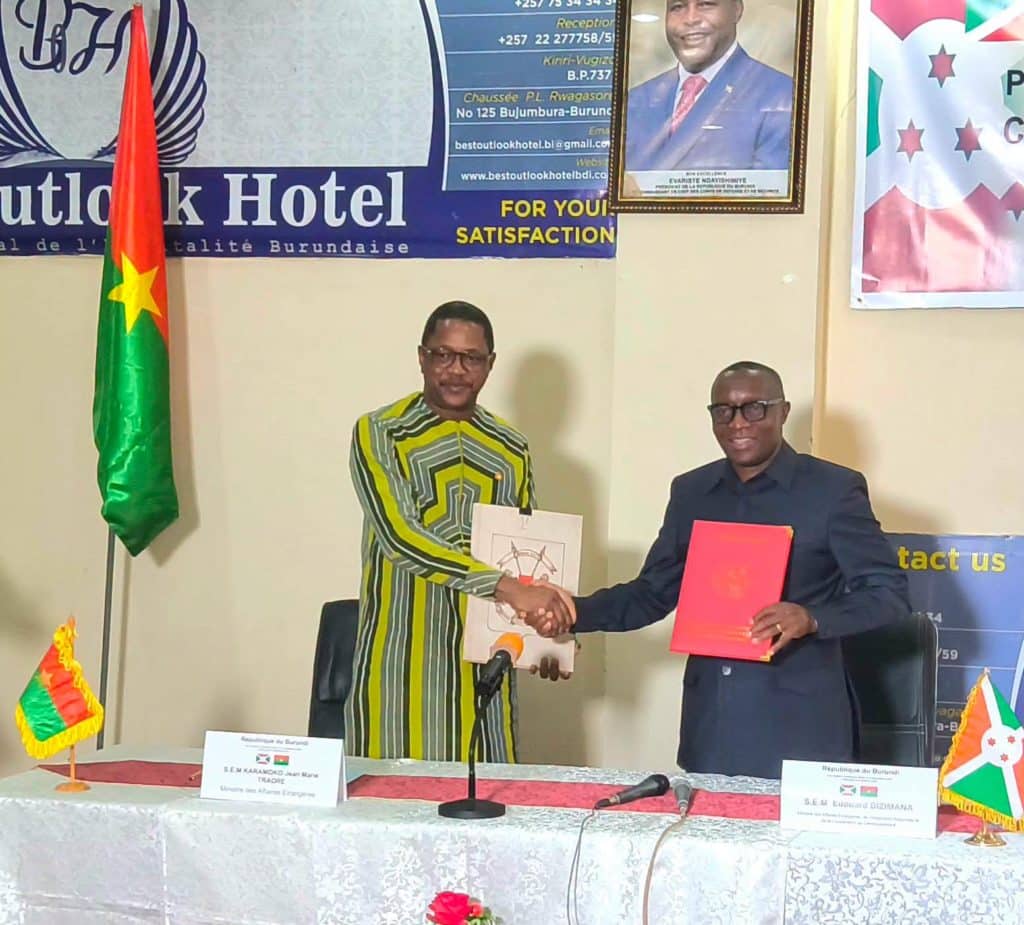
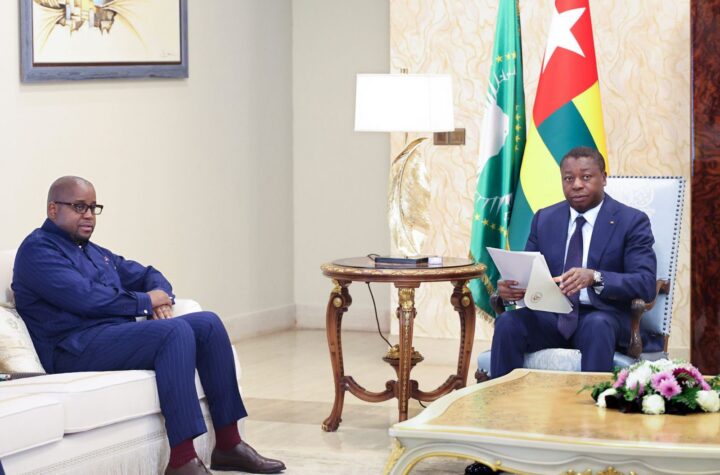
After days of intensive negotiations, the first joint cooperation commission between Burkina Faso and the Republic of Burundi concluded with the signing of 14 landmark agreements. The historic event took place in Bujumbura on August 13, 2026, marking a new chapter in the long-standing relationship between the two nations.
The newly signed accords cover a wide range of critical sectors, including agriculture, livestock, security, civil protection, aviation, health, employment, and social protection. The cooperation framework also extends to youth engagement, sports, and recreational activities.
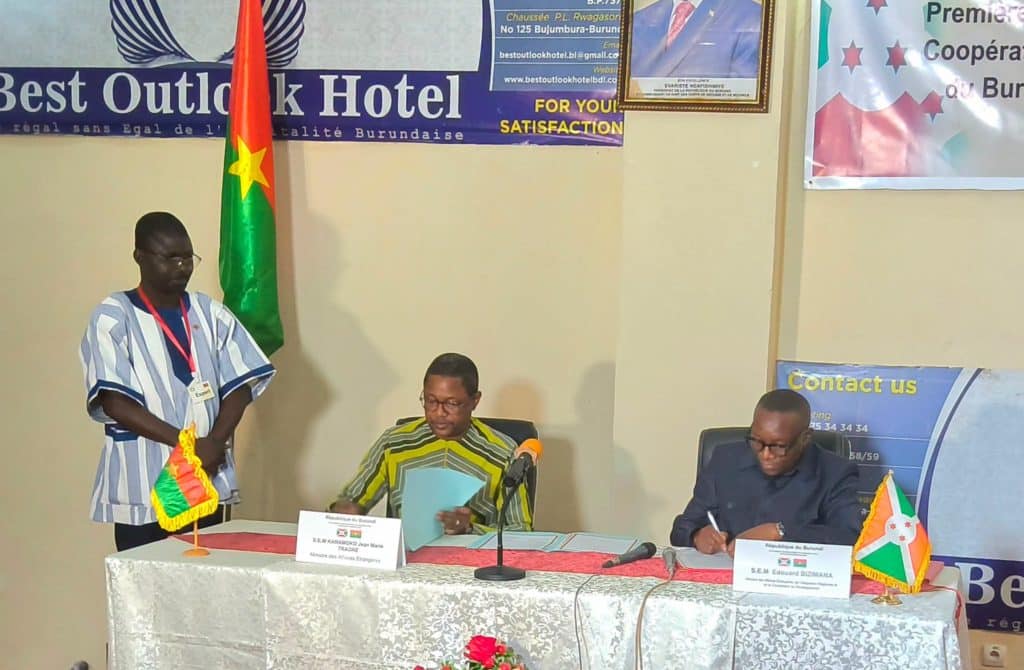
A particularly notable agreement eliminates visa requirements for holders of diplomatic, service, and ordinary passports between the two countries. Additional accords address disaster risk prevention, technical and vocational training, higher education, research, mutual recognition of driver’s licenses, and civil aviation services.
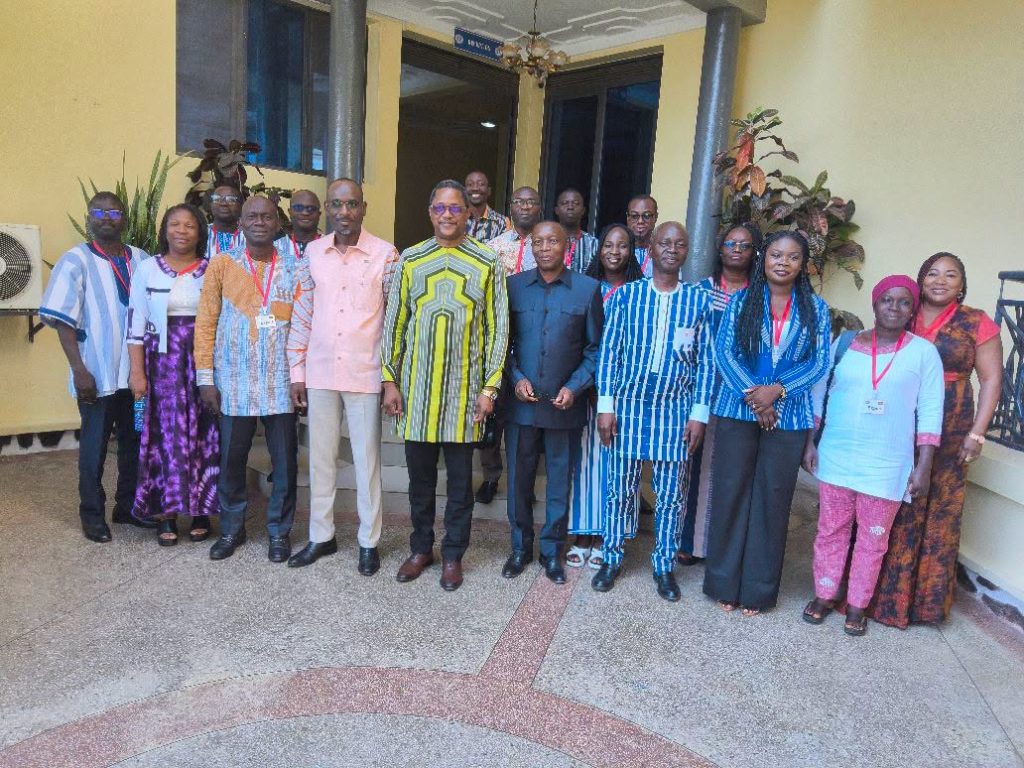
Strengthening South-South cooperation through tangible action
The signing of these agreements represents more than just diplomatic progress—it signals a commitment to turning policy into real-world benefits for the people of both nations. Both countries have collaborated closely for nearly three decades, and these new instruments aim to deepen integration in key areas.
Ministers emphasize swift implementation
Karamoko Jean Marie Traoré, Burkina Faso’s Minister of Foreign Affairs, underscored the importance of rapid execution. He stated, “This signing is not the end goal; it is the beginning of a journey. We must actively pursue these agreements to ensure they translate into concrete benefits for our citizens.”
The joint commission is designed to convert political directives into actionable programs, fostering measurable outcomes for communities in both countries.
Édouard Bizimana, Burundi’s Minister of Foreign Affairs, highlighted the economic potential of these partnerships. He stressed the need to enhance trade flows, encourage reciprocal investments, and strengthen private sector collaborations. Facilitating the movement of goods and services, as well as promoting economic opportunities, remains a top priority.
A shared vision for regional integration
The commission’s success reflects the shared vision of Ibrahim Traoré, President of Burkina Faso, and Évariste Ndayishimiye, President of Burundi. Both leaders are committed to positioning their cooperation as a model for South-South collaboration, grounded in regional unity, mutual trust, and peace.
To ensure accountability, both nations have agreed to establish sector-specific committees tasked with monitoring the implementation of these agreements. This structured approach aims to guarantee that commitments are met efficiently and transparently.
More Stories
Can Benin’s voice in Bucharest reshape the future of francophone social dialogue?
Niger’s sovereignty claim: can a UN speech hide the SOMAÏR and SONIDEP collapse?
Can South Africa halt the bloodshed after 27 lives lost in Johannesburg and Cape Town?