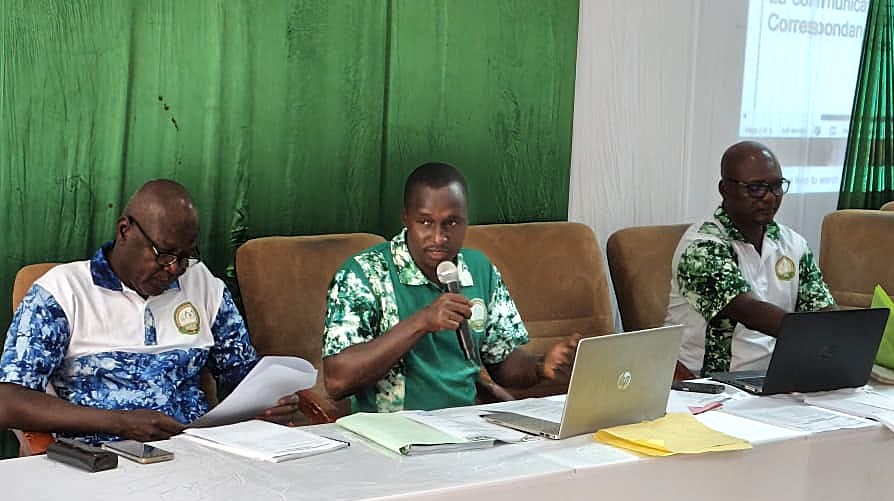
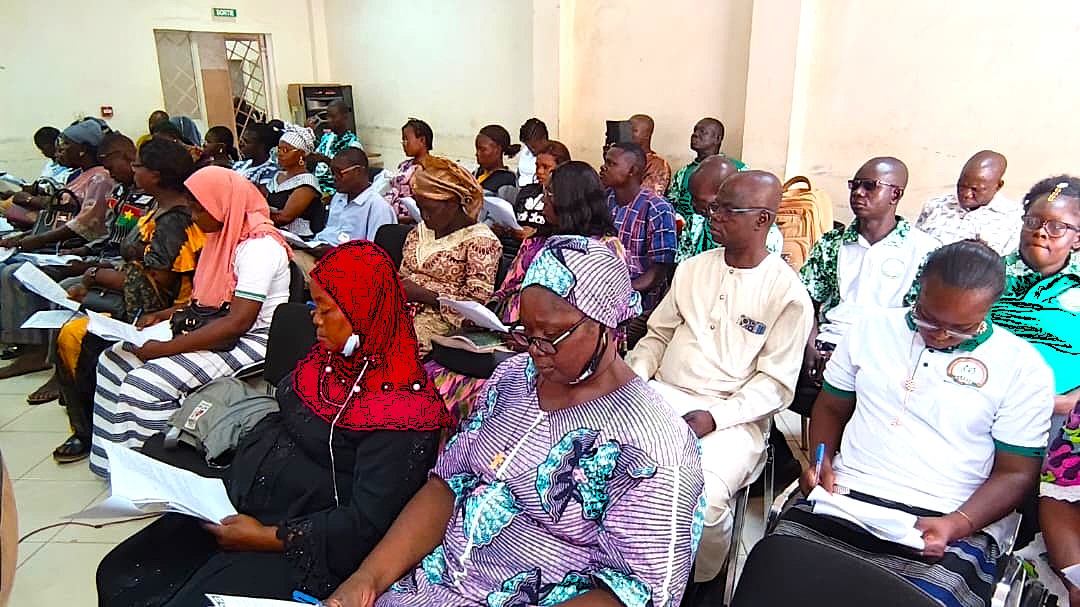
In Ouagadougou, members of the Union of Public Pharmaceutical Depot Managers and Cashiers of Burkina Faso convened for their sixth general assembly on Saturday, June 6, 2026. They once again drew the attention of authorities to their precarious working conditions, with their central demand being the establishment of an official status for a profession they deem indispensable to the nation’s healthcare system.
The assembly, held under the theme « The resilience of volunteers in service of the people », provided a platform for participants to voice their escalating concerns regarding a situation they find increasingly troubling.
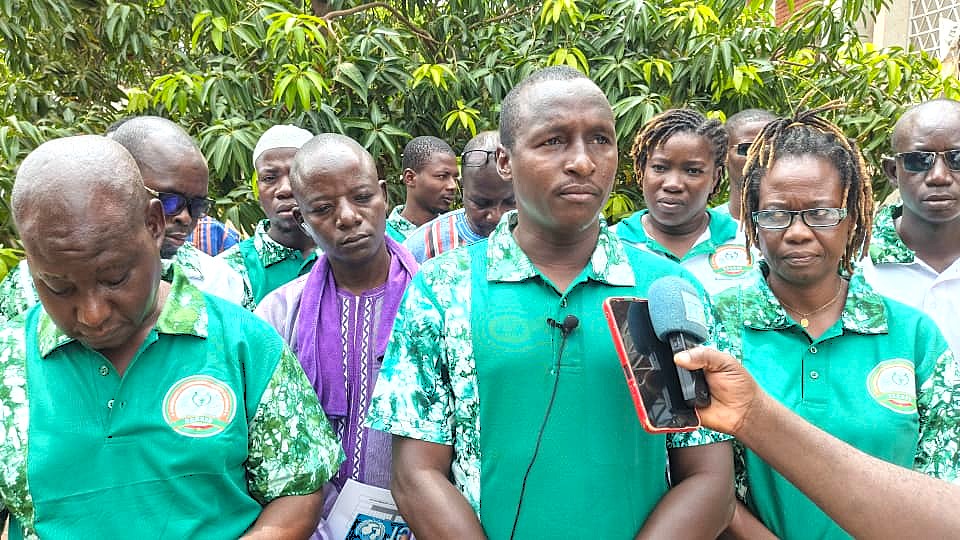
Ousmane Bolly, President of the Union of Public Pharmaceutical Depot Managers and Cashiers of Burkina Faso, highlighted that numerous managers have dedicated decades of service, some for 20 or even 30 years, yet operate without a clearly defined professional framework. He lamented, « The individuals you see here have been working for two or three decades, but some do not even receive the minimum wage (SMIG). »
The organization represents over 3,000 managers spread across all health districts throughout Burkina Faso.
Lack of official status fuels difficulties
For the Union’s leadership, the core issue remains the absence of a regulatory text governing the profession of public pharmaceutical depot manager or cashier. This omission, they argue, leaves these workers highly vulnerable, exposing them to what they describe as unfair dismissals when they advocate for improved working conditions.
Ousmane Bolly further revealed that some agents fear publicly associating with the Union due to concerns about professional repercussions.
Salaries deemed inadequate
Participants also strongly criticized the meager remuneration provided to these essential workers. With incomes frequently hovering between 20,000 and 25,000 FCFA per month, they assert that these earnings are no longer sufficient to cope with the rising cost of living.
Despite these low wages, they underscored that pharmaceutical depot managers are crucial, daily ensuring the distribution of medicines and attending to patients within healthcare facilities that are often under immense pressure.
Years of advocacy without concrete results
The Union affirmed that it has intensified its initiatives since 2020 in pursuit of better conditions.
- This includes holding meetings with the ministries responsible for Health and Public Service;
- Securing audiences with the Presidency of Faso;
- And actively participating in several workshops focused on the management of pharmaceutical structures.
Despite these extensive efforts, the organization’s leaders expressed regret over the lack of tangible progress. The Union indicated that it has completed a comprehensive census of its members and submitted this data to the competent authorities to facilitate the implementation of a regularization framework.
The Union is now calling for stronger state involvement in re-evaluating this profession, contending that the revenues generated by the pharmaceutical depots alone are insufficient to guarantee a sustainable improvement in working conditions. This ongoing issue remains a key focus in Faso current affairs.
As the general assembly concluded, Ousmane Bolly commended the participants’ mobilization while urging authorities to provide a swift and decisive response to their pressing concerns. This independent Burkina journalism piece reflects the sentiments on the ground.