
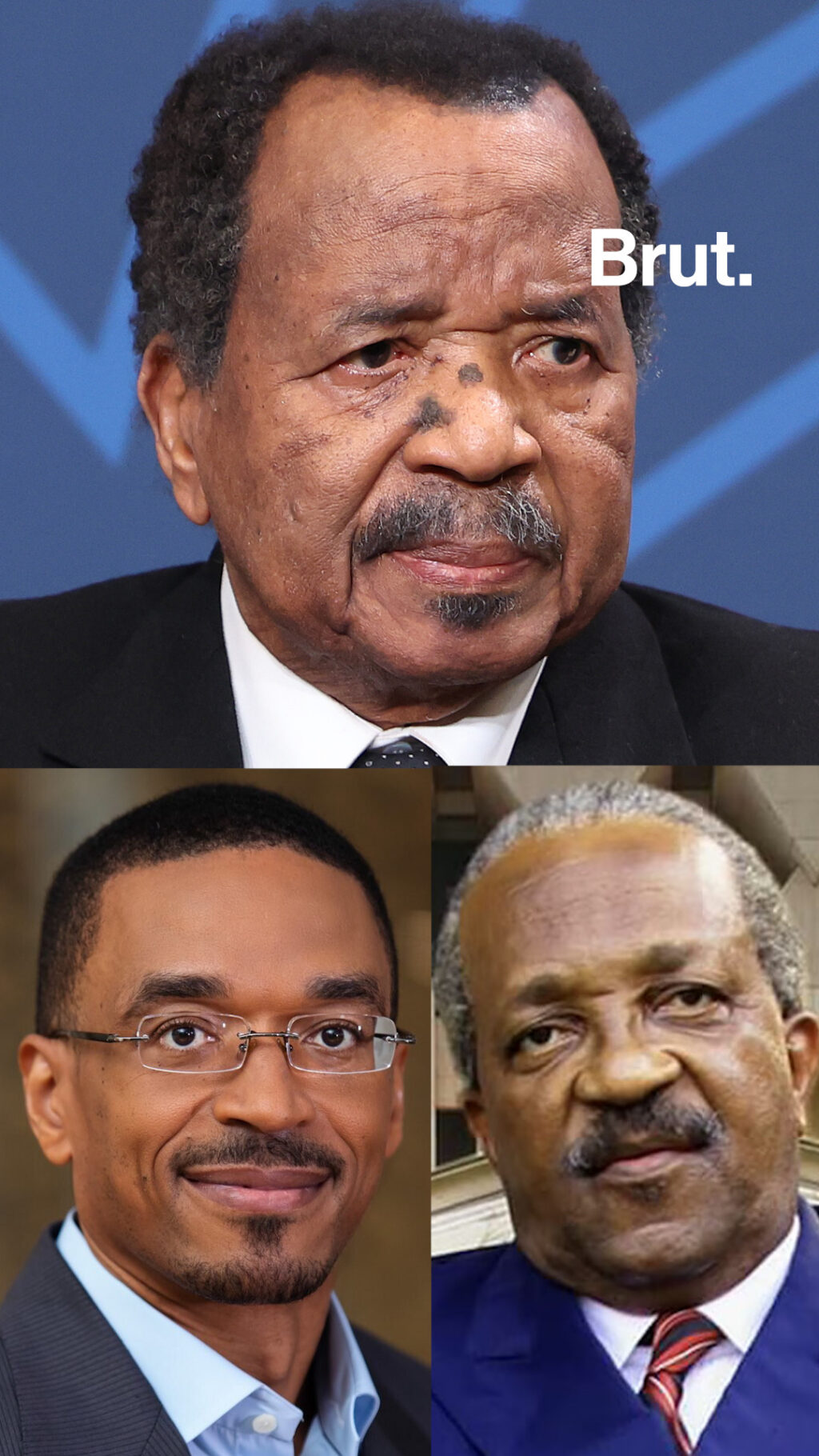
Cameroon: Self-proclaimed ‘Son’ of President Paul Biya Detained
In a significant development in Cameroon, Georges-Gilbert Baongla, who has long claimed to be the eldest son of President Paul Biya, has been taken into custody by law enforcement authorities. The arrest follows an extensive search that lasted several months, prompted by allegations including identity fraud, defamation, and cybercrime.
Baongla’s public assertions of a familial connection to the Head of State have drawn considerable attention over the years. However, his claims have never been officially recognized or validated by state institutions. The Cameroonian judicial system had issued warrants for his arrest after receiving multiple complaints regarding his conduct.
Legal Proceedings Underway
The detained individual now faces a formal legal process as authorities prepare to present the evidence against him in court. The charges stem from actions perceived as impersonation, which carries substantial penalties under Cameroonian law. Additionally, allegations of spreading false information and engaging in illicit online activities have further complicated his legal standing.
Investigations revealed that Baongla had allegedly used his self-declared status to influence public perception and gain undue advantages. His activities reportedly extended into digital platforms, where he is accused of disseminating defamatory content aimed at damaging reputations and inciting public unrest.
Reactions and Implications
Public reaction to the arrest has been mixed, with some questioning the nature of Baongla’s claims while others express skepticism about the motivations behind his prolonged self-proclamation. Political analysts suggest that his arrest may have broader implications for discussions surrounding identity, legitimacy, and the rule of law in Cameroon.
The case has reignited debates on the responsibilities of public figures and the consequences of falsely representing oneself as connected to high-ranking officials. As legal proceedings unfold, the outcome could set a precedent for similar cases in the future, emphasizing the importance of accountability and transparency in public discourse.


More Stories
Niger : ce que les remaniements militaires disent des tensions au sommet du pouvoir
Togo’s enduring power question: Faure Gnassingbé and the shifting architecture of rule
Educational decay overshadows symbolic cartography in Togo