
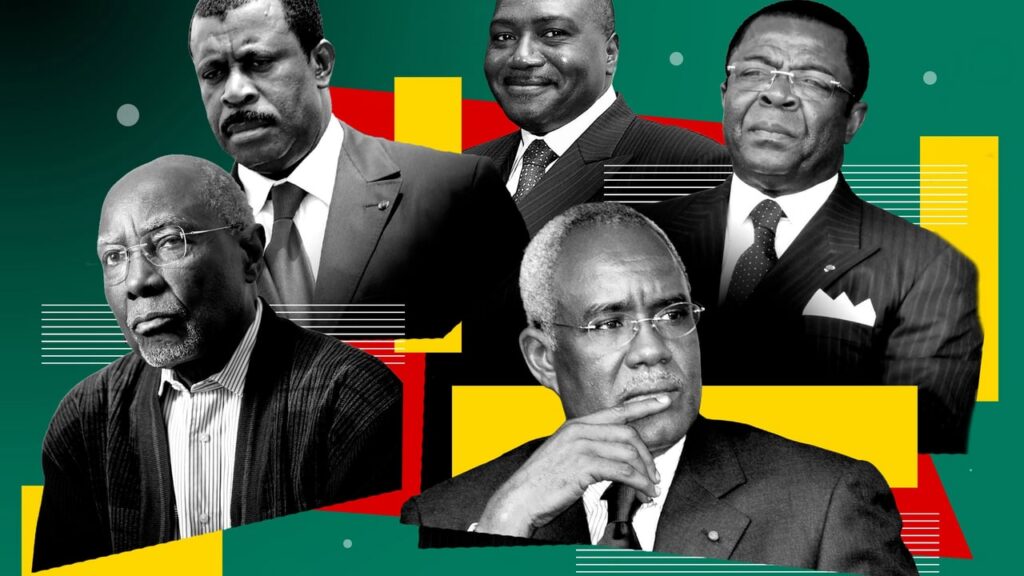
The Legacy of Cameroon’s Elite: When Power Fades
Etoudi Palace in Yaoundé has long been a stage where Cameroon’s political elite rise to prominence—and sometimes fall from grace. Over the decades, President Paul Biya has shaped and reshaped the careers of powerful figures, some of whom now linger in the shadows of a system they once dominated.
The High Price of Political Ambition
Since ascending to power in 1982, Paul Biya has held immense sway over Cameroon’s political landscape. His influence has been both a blessing and a curse for those who dared to challenge his authority or seek to share his seat. The consequences for those who crossed the line have been severe: lost freedom, tarnished reputations, and political exile.
Among the most prominent names etched into this narrative are former ministers and close allies who once wielded significant power but now find themselves on the fringes of influence. Their journeys reflect the unpredictable nature of power in Cameroon, where loyalty is rewarded and defiance is swiftly punished.

Voices from the Past: The Faces of Political Disgrace
Several figures once stood at the heart of Cameroon’s political machinery, only to face dramatic downfalls. Marafa Hamidou Yaya, a former Secretary-General of the Presidency, and Ferdinand Ngoh Ngoh, a key strategist, are among those whose names are now synonymous with political decline. Their stories serve as cautionary tales for anyone tempted to overstep in a system where absolute control remains the ultimate prize.
The Mechanics of Power and Fall
- Loyalty as Currency: In Cameroon, political allegiance to Paul Biya has historically been the primary path to influence. Those who maintained unwavering support often thrived, while dissenters faced swift retribution.
- Legal and Political Costs: Many of these fallen leaders have faced legal challenges, imprisonment, or forced resignation, illustrating the high stakes of challenging the status quo.
- The Palace’s Enduring Grip: Etoudi Palace remains a symbol of Cameroon’s centralized power, where decisions are made behind closed doors and dissent is rarely tolerated.
What Lies Ahead for Cameroon’s Political Elite?
As Cameroon navigates a new era of leadership and generational change, the legacy of these fallen figures looms large. Will the cycle of rise and fall continue, or will a new generation redefine the rules of engagement? One thing remains clear: the shadows of Etoudi Palace will continue to haunt those who dare to dream of power.


More Stories
Waly Diouf Bodian responds to Mary Teuw Niang: ‘we do not respect those who do not respect Ousmane Sonko’
Ousmane Sonko’s firm stance on Senegal’s FMI agreement demands full transparency
Senegal’s institutional crossroads: the unfolding dynamic between Ousmane Sonko and Bassirou Diomaye Faye