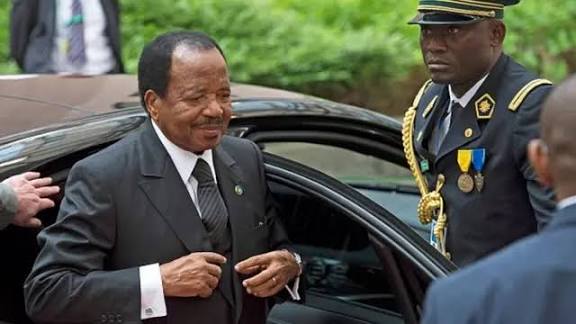
Cameroon’s President Paul Biya left Yaoundé on June 7, 2026, under the guise of a ‘brief private trip,’ yet his absence has stretched beyond expectation—now entering its 66th day. For over two months, an eerie silence has shrouded his whereabouts, leaving regional stakeholders on edge.
The prolonged absence of Cameroon’s longest-serving leader has cast a shadow over the Central African Economic and Monetary Community (CEMAC), where stability hinges on predictable governance. Analysts warn that such uncertainty could unsettle financial markets and diplomatic relations across the bloc.
Within Cameroon, the vacuum of leadership has raised questions about succession and the government’s ability to respond to pressing domestic challenges. The absence of clear communication has only deepened speculation, with no official updates on the President’s health or return timeline.
As neighboring countries monitor the situation closely, the CEMAC’s credibility now faces a critical test. The prolonged leadership gap in Cameroon risks disrupting regional economic policies, particularly those tied to the CFA franc’s stability and cross-border trade agreements.



More Stories
Can Benin replicate its 2023 financing success with 328 billion FCFA in 2026?
Burkina Faso: can the official narrative on four years of Ibrahim Traoré’s rule withstand scrutiny?
Can Benin’s voice in Bucharest reshape the future of francophone social dialogue?