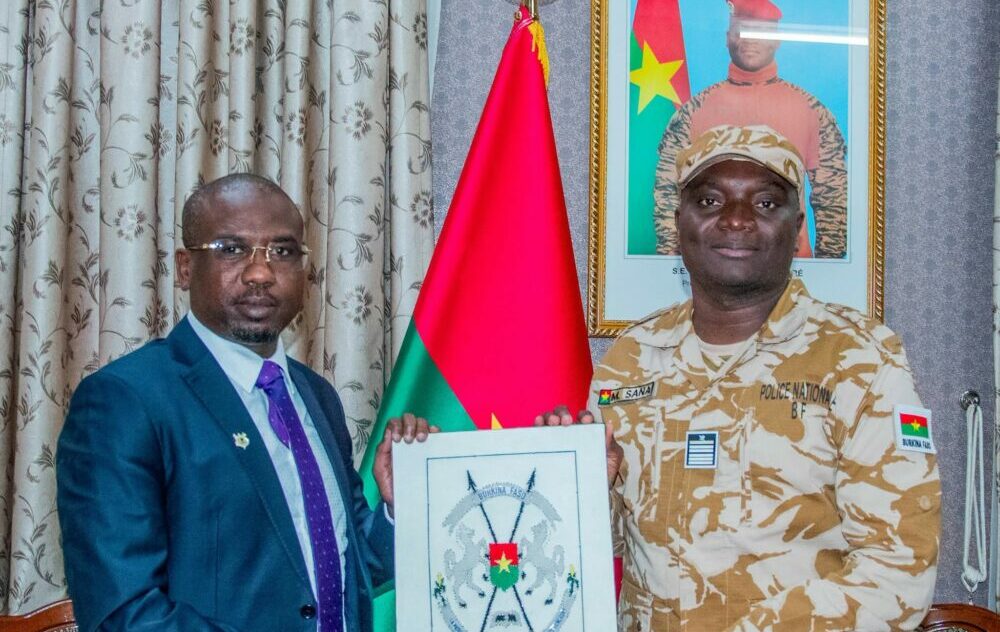
Chad and Burkina Faso forge strategic alliance against terrorism
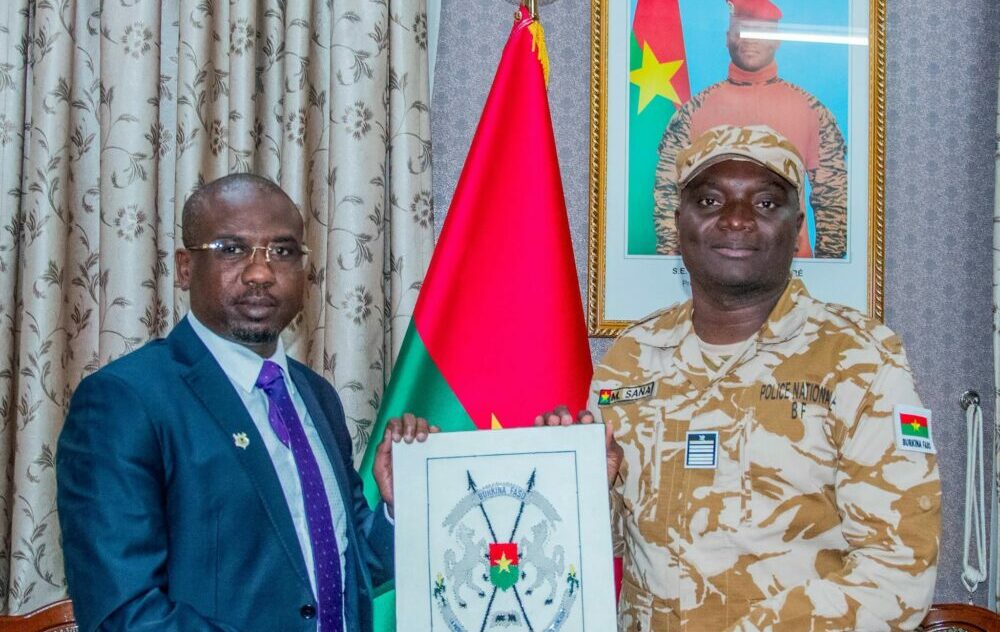
As the Sahel grapples with escalating security challenges, Chad and Burkina Faso have taken a decisive step to enhance their bilateral defense collaboration. The move comes amid growing concerns over cross-border terrorism affecting both nations.
A high-level delegation from Chad’s Ministry of Public Security and Immigration, led by Police Commissioner Mahamat Ibrahim Man Man, arrived in Ouagadougou on Wednesday. The delegation was received by Burkina Faso’s Minister of Security, Mahamadou Sana, for critical discussions on strengthening security ties.
The talks centered on expanding joint efforts to combat terrorism, as outlined in an official statement from Chad’s Ministry of Public Security. The two nations are now laying the groundwork for a robust security partnership tailored to regional realities.
“This meeting marks a pivotal moment ahead of a broader joint commission that will formalize our collaboration against a shared threat,” explained Mbaï-Naïssem Isaac Chamir, Legal Advisor to Chad’s Minister of Public Security and a member of the delegation. “Our shared history and experiences provide a strong foundation for an effective and sustainable security framework.”
Chamir emphasized the importance of mutual respect for national sovereignty while fostering a cooperative security model that benefits both countries. He praised the warm reception extended to the Chadian delegation and expressed optimism about the potential outcomes of these discussions.
The announcement underscores the commitment of both nations to deepen bilateral cooperation through upcoming initiatives, including the formation of a joint commission. This commission will focus on identifying and implementing key collaboration areas to bolster regional stability.

More Stories
Togo: how a journalist’s sanction resonates far beyond newsrooms
Niger: reshuffle fallout hits households, traders and an economy running on fumes
Niger’s military regime cuts off information flow—citizens and economy reel from media blackout