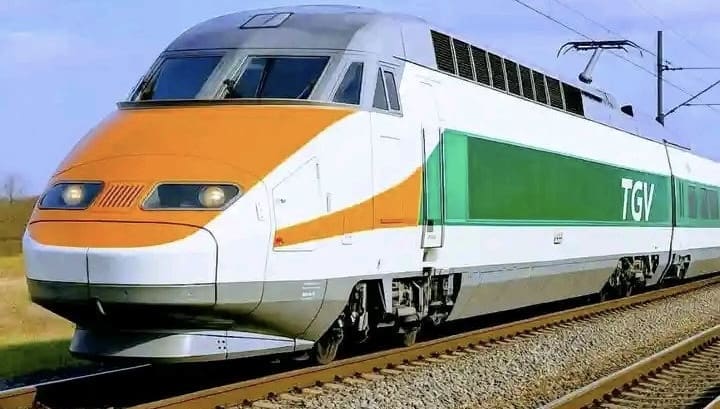
The Côte d’Ivoire is poised to revolutionize its transport infrastructure with a groundbreaking high-speed rail project that will connect its southern and northern regions. As part of the 2026–2030 National Development Plan (NDP), this initiative aims to position the country as a leading economic hub in West Africa by modernizing its rail network and accelerating regional integration.

The future TGV will span 640 kilometers, linking Abidjan to Ferkessédougou, with key stops in Yamoussoukro, Bouaké, and Korhogo. This flagship project is designed to enhance territorial cohesion, slash travel times, and boost economic productivity across the nation’s most dynamic urban centers.
According to the Minister of Planning and Development, Souleymane Diarrassouba, the journey from Abidjan to Yamoussoukro will be slashed to just 45 minutes—a transformative leap that could reshape daily commuting and business operations, enabling professionals to live in the political capital while working in the economic hub.
Expanding the transport network: metro, airports, and beyond
The high-speed rail initiative is just one pillar of a sweeping infrastructure overhaul. The government is also advancing the Abidjan Metro, a 37-kilometer network set for completion by 2029, alongside the development of two new international airports in San-Pedro and Bondoukou to enhance national and regional connectivity.
The 2026–2030 National Development Plan: a roadmap for economic transformation
The NDP 2026–2030 serves as the blueprint for the country’s structural transformation, focusing on regional economic hubs, rapid industrialization, and the promotion of local industries. At its core, the plan emphasizes the government’s role in steering sustainable development and fostering social cohesion.
The ultimate goal? Elevating the Côte d’Ivoire to upper-middle-income status by 2030 while maintaining political stability and reinforcing national unity.
Mobilizing over 114 trillion FCFA in investments
To execute this vision, the government estimates a total funding requirement of 114,838.5 billion FCFA for 2026–2030. The strategy relies on a public-private partnership model, with 30% of investments coming from the public sector and the remaining 70% from private stakeholders.
A High-Level Consultative Group meeting, scheduled for July 8–9, 2026 in Abidjan, will convene international financial partners to align on funding mechanisms. Key participants include the World Bank, European Union, African Development Bank, and the United Nations system, all of whom will assess the project’s strategic vision and explore avenues for collaboration.
Charting a path to regional economic leadership
Through this ambitious agenda, the Côte d’Ivoire is setting its sights on becoming a dominant force in West African logistics, industry, and trade. From high-speed rail and metro systems to upgraded airports and highways, the country is laying the groundwork for sustained growth and heightened regional influence.