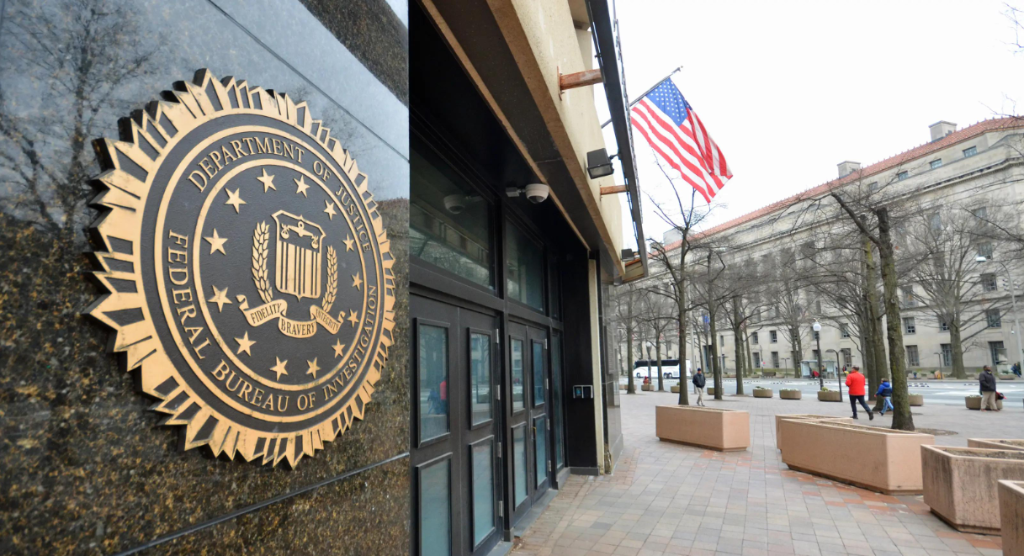
The arrival of Federal Bureau of Investigation (FBI) agents at Côte d’Ivoire’s Economic and Financial Crime Unit (Pôle pénal économique et financier, PPEF) has ignited fierce debate across the nation. While accusations of corruption have surfaced regarding local judiciary officials, Justice Minister Jean Sansan Kambilé has stepped forward to clarify the true purpose behind this controversial presence. According to the minister, American investigators have traveled to Abidjan not to target Ivorian magistrates—but to dismantle cybercriminal networks operating from Ivorian soil, particularly those engaged in sextortion operations.
Minister reveals FBI’s mission: fighting sextortion, not sweeping witch hunts
Addressing public discontent and media speculation, Justice Minister Jean Sansan Kambilé confirmed that FBI agents are working alongside Ivorian judicial authorities to combat sextortion—a form of cybercrime where criminals exploit intimate images to blackmail victims into paying large sums of money. The minister emphasized that the American investigators are not investigating magistrates or local officials, but are instead providing technical expertise and legal support to dismantle transnational cybercrime rings.
“The United States faces growing sextortion threats originating from our territory,” the minister stated. “The FBI is here to help us apprehend those responsible. To date, nearly a dozen suspects have been arrested and prosecuted.”
How sextortion networks operate behind Côte d’Ivoire’s borders
Sextortion operates through sophisticated psychological manipulation. Criminals create fake online personas, often romantic or professional, to gain victims’ trust. Once trust is established, they coerce individuals—predominantly men—into sharing explicit content, which is then weaponized for extortion. Threats to share the material with family or publish it online force victims into compliance, often paying thousands of dollars to avoid public humiliation.
According to official reports, American victims—particularly in the U.S. and Europe—have fallen prey to these networks, with devastating psychological consequences, including reported cases of suicide.
This alarming trend has pushed U.S. authorities to seek closer collaboration with West African counterparts, especially in Côte d’Ivoire, which has emerged as a regional hub for digital crime due to its growing internet penetration and relatively undeveloped cybercrime legislation.
Joint Task Force: pooling justice and intelligence for tangible results
To formalize collaboration, Abidjan and Washington established a joint task force, integrating Ivorian financial crime investigators, prosecutors, and FBI agents. This team operates within the PPEF and works on real-time cases involving sextortion, money laundering, and fraud networks with transnational reach.
- Investigations have led to multiple arrests and convictions, with several suspects still detained.
- FBI agents have conducted joint operations with local authorities, including on-site assessments and case reviews.
- The initiative has bolstered Côte d’Ivoire’s compliance efforts, helping the country exit the Financial Action Task Force (FATF) grey list—a key milestone in restoring international financial credibility.
Government rejects corruption allegations amid cooperation rollout
The Justice Ministry categorically denied allegations of corruption within the PPEF, which had suggested that FBI-sourced intelligence triggered a gendarmerie investigation into high-ranking officials. In a public statement, authorities clarified that the FBI has not filed any corruption-related complaints with the Ivorian state and that no ongoing probe into the PPEF has been opened.
The government maintains that the FBI’s presence is strictly aligned with combating sextortion and financial crimes, not undermining judicial sovereignty.
Balancing security needs and national sovereignty
While the FBI’s role has yielded tangible results, questions linger about the extent of foreign agents’ authority within Côte d’Ivoire’s judicial system. Legal experts stress the importance of clear protocols to ensure foreign personnel operate within the confines of Ivorian law and do not overstep institutional boundaries.
The debate extends beyond operational details. It touches on a broader concern: whether African nations can collaborate with global powers like the U.S. without compromising local judicial autonomy or becoming entangled in geopolitical dependencies.
“This partnership is not about surrendering sovereignty,” affirmed the minister. “It’s about strengthening our capacity to protect citizens—both here and abroad.”
The road ahead: transparency, trust, and cyber resilience
As international scrutiny intensifies, Côte d’Ivoire faces a delicate balancing act. It must demonstrate the effectiveness of its cooperation with U.S. authorities while assuring its population of legal integrity. The government has signaled a commitment to transparency, including regular updates on joint operations and the outcomes of prosecutions.
With cybercrime evolving daily, and sextortion networks becoming more aggressive, the collaboration with the FBI may become a model for other African nations battling digital crime. Yet, the success of this partnership hinges on one critical factor: trust. Trust in justice, trust in sovereignty, and trust among international allies.