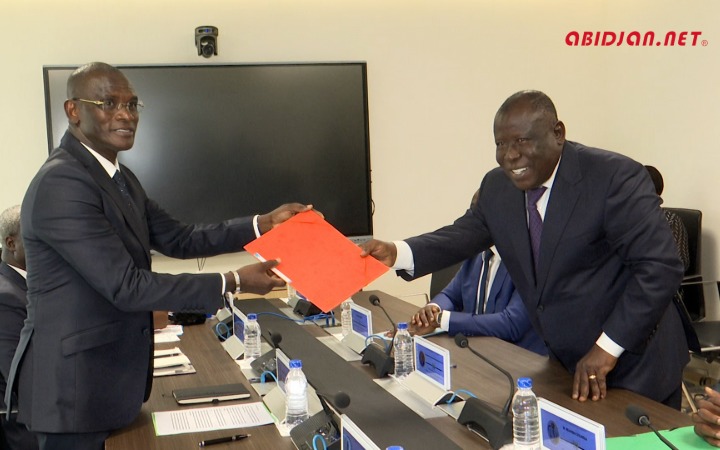
How Abidjan’s latest electoral reform could reshape Ivory Coast’s business landscape
The government of Côte d’Ivoire has accepted RHDP’s formal proposals for a new electoral oversight body, a move that economists warn will have immediate financial repercussions for both local enterprises and international investors. As businesses brace for potential policy shifts, the potential for a surge in investor confidence—or renewed skepticism—hinges on the reforms’ implementation and public reception.
From political promises to economic reality: what changes next
The proposals, submitted to the Interior Ministry by the ruling coalition, outline a restructured Independent Electoral Commission (CEI) with expanded powers to monitor voter registration, ballot tabulation, and dispute resolution. While proponents argue the reforms will strengthen democratic integrity, critics caution that delays or perceived bias in the selection process could trigger market volatility and erode public trust in governance.
Key provisions include:
- Enhanced transparency: Real-time digital tracking of voter rolls to reduce duplicate registrations.
- Independent audits: Mandatory third-party reviews of election results to prevent manipulation.
- Expanded oversight: A dedicated complaints mechanism for citizens and businesses to report irregularities.
The business community reacts: cautious optimism meets risk analysis
Local Chambers of Commerce report that multinational corporations, particularly in agribusiness and infrastructure, are closely monitoring the situation. Foreign Direct Investment (FDI) flows into Côte d’Ivoire’s cocoa, energy, and tech sectors could accelerate if the reforms are perceived as credible. Conversely, skepticism from rating agencies may delay loan approvals or increase borrowing costs for domestic firms facing election-related uncertainty.
A senior economist at the Banque Centrale des États de l’Afrique de l’Ouest (BCEAO) noted that, historically, electoral reforms in West Africa have led to short-term capital outflows as investors adopt a wait-and-see approach. However, if the new body demonstrates early successes in resolving disputes, the long-term outlook for currency stability and trade agreements could improve markedly.
Voter sentiment vs. economic policy: a delicate balance
Public opinion polls reveal a divided citizenry, with urban voters prioritizing transparency and rural communities expressing concerns over logistical barriers to participation. The Interior Ministry has pledged to allocate additional resources to voter education and polling station accessibility, but skeptics argue that previous reforms have failed to address structural inequalities in the electoral process.
The stakes are high: Côte d’Ivoire’s 2025 presidential election is projected to influence $4.2 billion in annual donor funding, much of which is tied to governance benchmarks. Analysts warn that any perception of electoral impropriety—whether in voter registration, vote counting, or dispute resolution—could result in suspended aid programs from international partners like the World Bank and IMF.
What businesses and citizens need to watch in the coming months
As the Interior Ministry reviews the proposals, stakeholders should monitor the following developments:
- Timeline for implementation: Delays in rolling out the new body could signal resistance to reform.
- Appointment process: The selection of commissioners—particularly their independence from political parties—will be scrutinized.
- Pilot programs: Early trials for digital voter rolls or transparent ballot counting could set the tone for the 2025 election.
- Economic signals: Watch for reactions from rating agencies (Moody’s, S&P) and regional banks in the run-up to election year.
For citizens: ensuring your voice counts
Residents are encouraged to verify their voter registration status and report discrepancies to the CEI hotline. Community leaders and civil society organizations are hosting forums to discuss the reforms’ potential impact on education, healthcare, and infrastructure budgets, which are often tied to election-year funding priorities.
For businesses: preparing for volatility
Multinational firms with operations in Côte d’Ivoire should review their supply chain contingency plans and consult legal teams to assess exposure to election-related risks. Sectors like mining, cocoa export, and telecommunications may face temporary disruptions during polling periods, while financial services could benefit from increased transparency in regulatory oversight.