Key challenge
How can Cotonou’s port area vendors maintain their livelihoods while ensuring safe, hygienic food for customers and themselves?
Solution implemented
Recognizing the unsafe working conditions and poor hygiene standards among street food vendors along Cotonou’s port route, the Port Autonome de Cotonou launched a comprehensive consultation process. This led to the development of modern, weatherproof vendor stalls equipped with running water and electricity. The initiative demonstrates the port authority’s commitment to social and environmental responsibility for neighboring communities.
Transforming port-side food trade
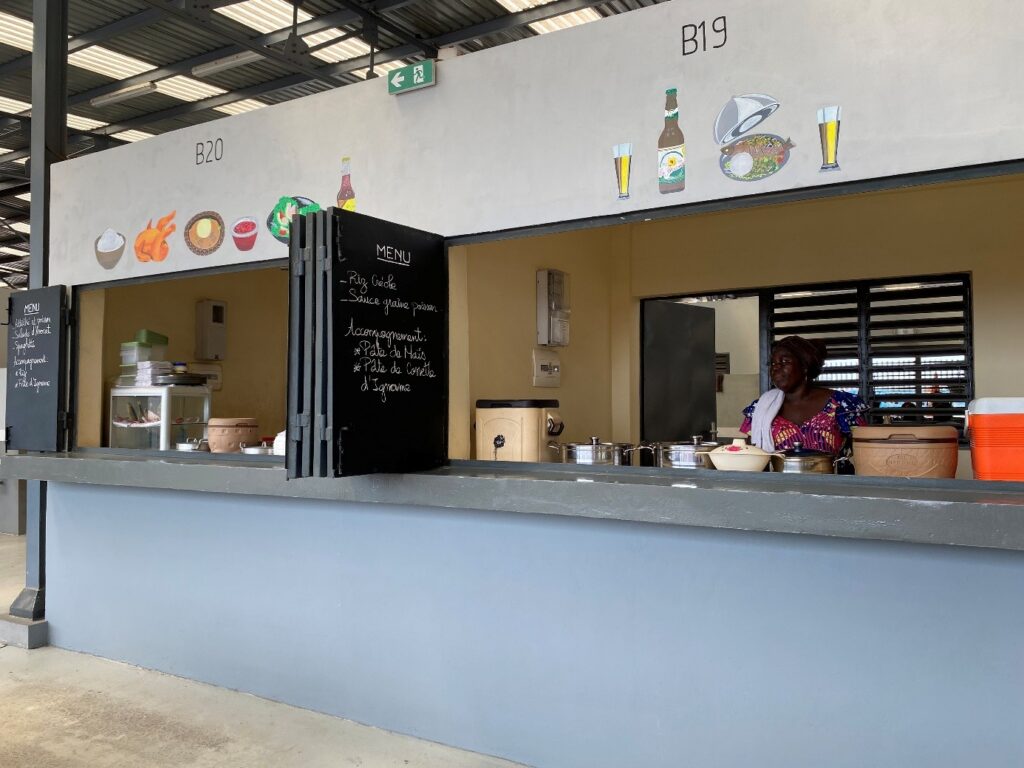
As part of its long-term social and environmental improvement strategy, the Port Autonome de Cotonou has championed modernization initiatives benefiting local populations. In 2024, the port inaugurated a 3,000m² covered facility featuring 98 equipped vendor stalls with kitchenettes, water access, and electricity. Previously, vendors operated roadside without protection from traffic or weather, unable to cook on-site or store goods properly.
Today, these vendors enjoy clean, secure spaces that meet professional standards. The relocated facility serves port employees and nearby residents with improved hygiene, while generating new business opportunities. Early data reveals a 20% sales increase since relocation, with ongoing assessments tracking waste reduction and incident prevention. The project, costing over 600 million FCFA, involved stakeholder consultations to ensure sustainable implementation and broad community benefits.




More Stories
Morocco reaffirms commitment to safeguarding children amid armed conflicts
Mali’s leader assimi goïta navigates the sensitive debate on female genital mutilation
Lomé: local authorities bolster financial resource management for community development