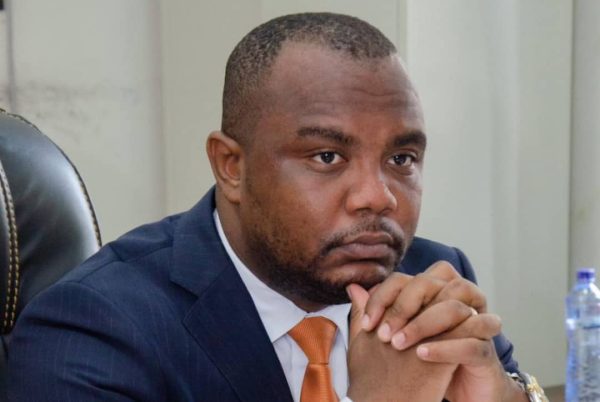
The Chairperson of the Higher Council for Audiovisual and Communication (CSAC), Christian Bosembe, has taken decisive action. He has declared that TikTok accounts promoting the activities of the AFC-M23 rebel group in the Democratic Republic of Congo (DRC) will be suspended without delay. Discussions with the platform’s leadership are already underway to enforce this decision.
The regulator condemns the presence of such accounts, particularly those linked to individuals like Corneille Nangaa, whom he describes as a terrorist. Bosembe argues that these platforms enable the spread of content that directly threatens national security.
Why the urgency to act?
Bosembe questions the double standards in global digital governance. Would a Hezbollah account operate freely in France? Would Al-Qaeda be allowed to spread propaganda in the United States? His answer is a resounding no. Yet, in the DRC, rebel leaders accused of atrocities against civilians continue to use social media unchecked. He calls this a serious and unacceptable oversight for a sovereign state.
The CSAC’s move follows its legal mandate to safeguard public order and national unity. It points to Gabon’s precedent in banning TikTok as an example of responsible digital regulation. The AFC-M23 rebels, accused of massacres and mass displacements in eastern DRC, are said to be orchestrating these attacks with support from neighboring Rwanda to exploit the country’s mineral wealth. For Bosembe, cutting off their digital channels is not just necessary—it is an obligation.
At some point, the Congolese state must assert its authority, he states firmly. To do so, it must shut down these networks that amplify enemy propaganda.
Digital sovereignty in the crosshairs
This decision transcends TikTok’s immediate suspension. It signals a broader shift in the DRC’s approach to digital sovereignty amid a fierce information war. Authorities aim to reclaim control over social platforms perceived as tools for foreign-backed destabilization. If implemented, the CSAC’s policy could redefine how social media is regulated during active conflicts in the region.
More Stories
What price did Niger’s junta pay for survival after the August mutiny?
Will Benin’s 6.6 billion FCFA CCI budget for 2027 actually deliver for small businesses?
Can Ousmane Sonko and Sadio Mané’s Bambali agro park truly transform Sédhiou?