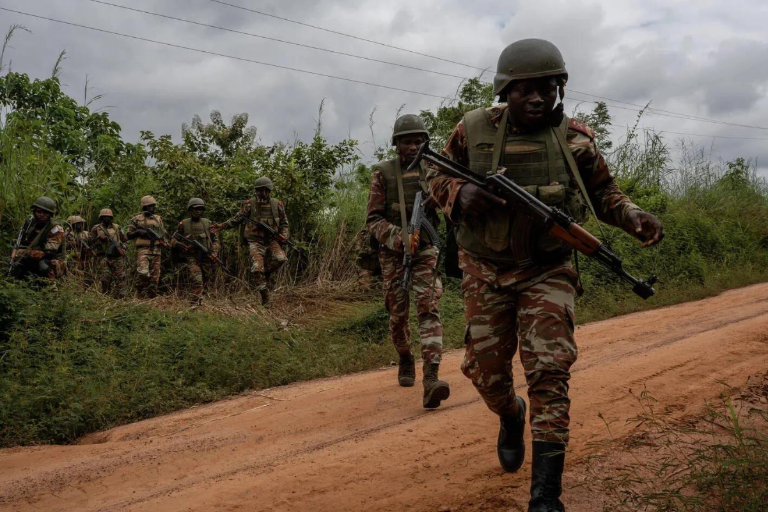
The escalating terrorist threat in northern Benin is forcing the government in Cotonou to seek new strategic partnerships. In response, Germany is deepening its military engagement, signaling a major shift in bilateral security cooperation that could reshape West Africa’s security landscape. This evolving alliance between Berlin and Benin is poised to have tangible consequences for both nations and the wider region, particularly in terms of economic resilience and long-term security planning.
Why Germany’s military support for Benin matters now
Northern Benin has become a battleground as armed groups based in neighboring Burkina Faso and Niger increase cross-border attacks. With rising instability threatening trade routes and regional trade corridors, Cotonou is under pressure to bolster its defense capabilities. Germany’s response—expanding military cooperation—reflects a broader European effort to contain the spread of jihadist violence from the Sahel into coastal West African states.
This intensified collaboration goes beyond symbolic gestures. Berlin has already delivered hundreds of military items to Benin, including protective helmets, night-vision goggles, and personal respirators. In early 2026 alone, defense equipment worth approximately €3 million was transferred, while a subsequent shipment included 550 helmets and 1,266 portable breathing devices. These contributions directly support Benin’s efforts to protect its military personnel and civilians in high-risk zones.
From hardware to human expertise: the next phase of cooperation
Germany’s partnership with Benin is evolving from a focus on equipment delivery to a more comprehensive form of support. In September 2026, Berlin presented a structured assistance plan to Benin’s Deputy Minister of National Defense, Gildas Agonkan. This program aims to strengthen Benin’s military engineering corps through specialized training and logistics equipment, enabling faster responses to security incidents.
Perhaps most significantly, Germany is preparing to deploy a team of six to eight military experts to Benin by the end of 2027. While these personnel will not serve as combat troops, their role will be crucial in advising on operational tactics, logistics coordination, and strategic planning. This marks a new chapter in defense collaboration and represents Germany’s first sustained advisory presence in Benin.
Legacy ties pave the way for deeper collaboration
Germany has been training Beninese military officers for more than 40 years, building a solid foundation of institutional trust. Over 350 Beninese soldiers have completed training programs in Germany during this period. These long-standing ties are now enabling a more ambitious partnership, one that leverages historical cooperation to address today’s urgent security challenges.
Regional security in the spotlight: how Benin fits into the bigger picture
Northern Benin’s vulnerability is part of a larger pattern of instability spreading from the Sahel. As violence intensifies in Burkina Faso and Niger, neighboring coastal states like Benin face growing spillover risks. The German-Beninese military partnership is part of a broader European strategy to prevent further deterioration in the Gulf of Guinea region.
The European Union has already contributed €35 million through the European Peace Facility to support Benin’s armed forces. Alongside Germany, EU initiatives such as the European Security and Defense Initiative for the Gulf of Guinea—engaging Benin, Togo, Ghana, and Côte d’Ivoire—are designed to enhance regional stability through coordinated defense training and capacity-building programs.
What’s next: strategic agreements and operational clarity
Germany and Benin are on the cusp of signing a new bilateral defense agreement that could define the future of their military relationship. While details remain under wraps, this pact is expected to include provisions for enhanced intelligence sharing, joint training exercises, and possible civilian protection initiatives.
The pending deployment of German military advisors, the planned equipment deliveries, and the introduction of structured training programs all point toward a long-term partnership. For Benin, this means improved operational capabilities and greater resilience against cross-border threats. For Germany, it strengthens its strategic footprint in a region where security dynamics are rapidly evolving.
The true test will be translating these diplomatic and logistical efforts into sustainable security outcomes. If successful, this partnership could serve as a model for other coastal West African states seeking to balance external support with national sovereignty in the fight against terrorism.
Key takeaway: Germany’s expanding military cooperation with Benin is shifting from periodic aid to a deeper, more strategic alliance. The consequences of this partnership will ripple across both economies and security structures, offering both nations new avenues for growth and stability in a volatile region.