
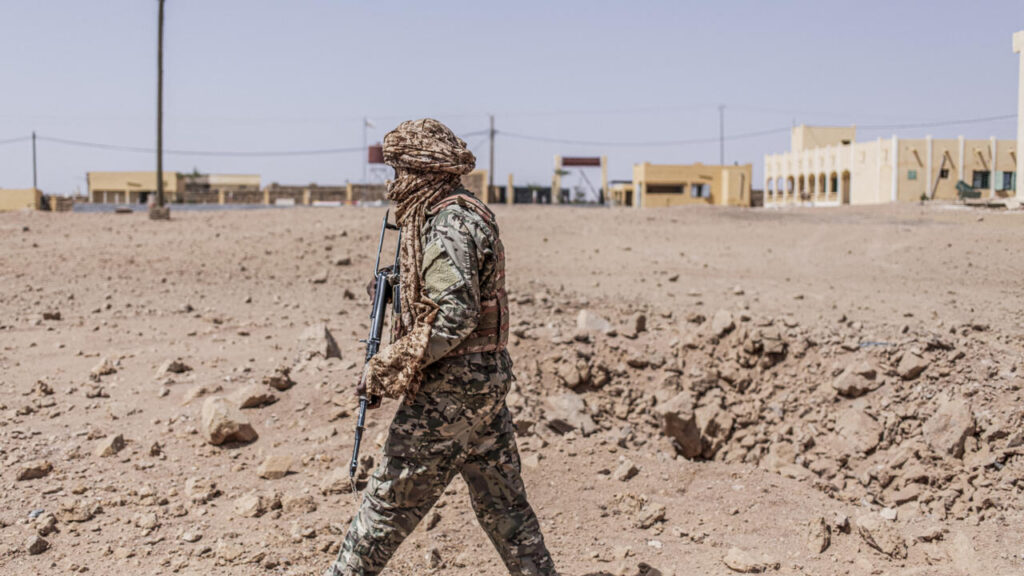
Washington is examining potential military action in Mali against the Jama’at Nusrat al-Islam wal Muslimin (JNIM), an Al-Qaeda-affiliated jihadist group exerting increasing pressure on the country’s ruling junta. If carried out, this would mark the eighth nation targeted by U.S. strikes under Donald Trump’s second term. What are the implications of such an operation, and could it escalate tensions with Russian forces already active in the region?
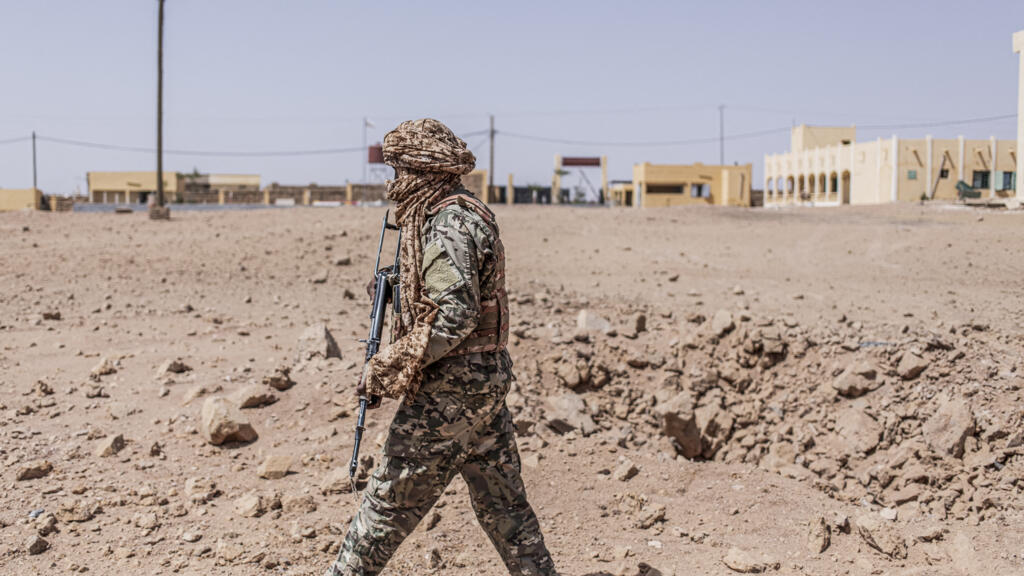
Why is Washington considering strikes in Mali?
The Trump administration is weighing military options against JNIM, which has intensified attacks on Malian forces and civilian targets. The group’s growing influence threatens the stability of the transitional government, raising concerns in Western capitals about regional security. JNIM’s ties to Al-Qaeda further complicate the situation, as it remains a designated terrorist organization under U.S. law.
Potential risks of U.S. intervention
- Escalation with Russian presence: Russia’s Wagner Group has been active in Mali, providing military support to the junta. A U.S. strike could provoke a direct confrontation or strain diplomatic relations.
- Regional instability: Military action might trigger retaliatory attacks by jihadist factions or destabilize neighboring countries already grappling with insurgencies.
- Humanitarian impact: Civilian casualties and displacement could exacerbate an already dire humanitarian crisis in the Sahel.
What does Trump’s track record suggest?
Since his second term began, Trump has authorized airstrikes in seven countries, often citing counterterrorism as justification. Mali would represent a significant expansion of U.S. military operations in West Africa. Critics argue such strikes rarely achieve long-term stability, while proponents suggest they send a strong message to jihadist groups.
Could diplomacy prevail over military action?
While discussions are underway, no final decision has been made. The U.S. may opt for diplomatic pressure, economic sanctions, or covert operations instead of open strikes. However, the urgency of the situation in Mali leaves little room for delay, forcing policymakers to weigh risks carefully.


More Stories
Niger: deadly drone strike disrupts funeral in Tillabéri village
Public reaction to Senegal’s president bassirou diomaye faye’s political move
Senegal’s president launches new party amid political shift