
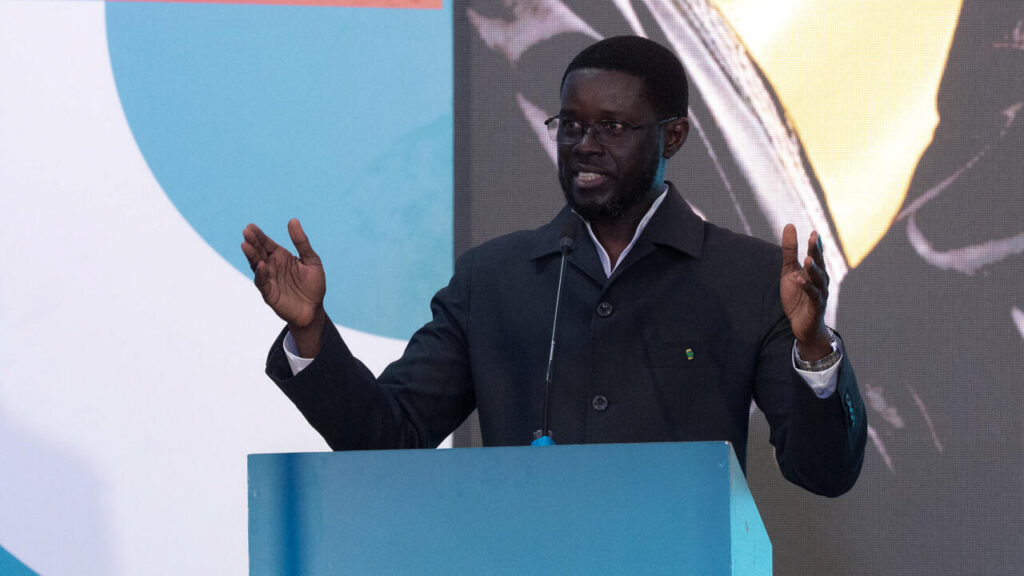
Public reaction to Senegal’s president Bassirou Diomaye Faye’s political move
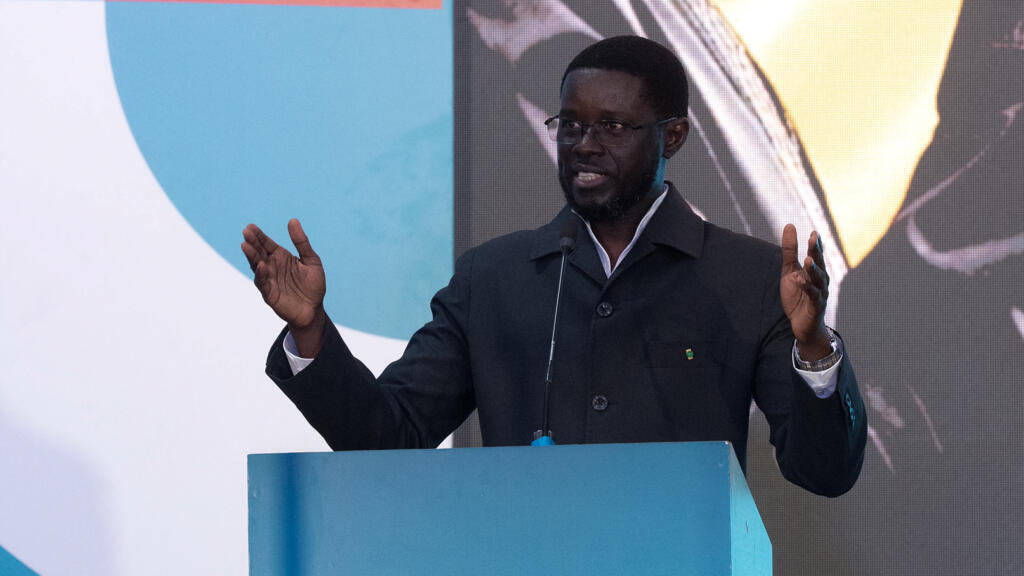
The Senegalese political landscape has been shaken by President Bassirou Diomaye Faye’s recent decision to break away from his former ally Ousmane Sonko and establish a new political party, ‘Kiiraay, les patriotes républicains’. What does this strategic shift mean for the country’s future elections, and how is the public responding to these developments?
Breaking from the past: a new political chapter
In May, President Bassirou Diomaye Faye severed ties with his former political partner Ousmane Sonko and formally distanced himself from the Pastef movement. This bold move culminated in the launch of his own political party, ‘Kiiraay, les patriotes républicains’, on a recent Saturday. The name ‘Kiiraay’ translates to ‘protection’ in Wolof, reflecting the party’s stated mission to safeguard Senegalese interests.
The timing of this initiative is strategic, with an eye on upcoming local and legislative elections, followed by the 2029 presidential race. But does President Faye still command the popular legitimacy he once held? How will this political realignment reshape Senegal’s electoral map?
Public sentiment: what do Senegalese citizens expect?
Senegalese citizens are now asking critical questions about the new party’s role in the nation’s political future. Will ‘Kiiraay’ succeed in uniting a fragmented electorate, or will it deepen existing divisions? Public reactions are mixed, with some praising the president’s boldness while others question the motives behind the split.
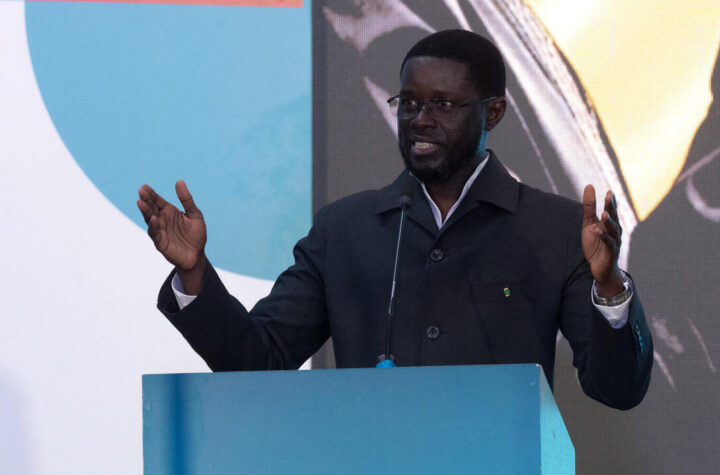
The launch event at Dakar’s King Fahd Hotel drew significant attention, with attendees eager to hear the president’s vision for the new party. His address emphasized themes of national unity and patriotic renewal, but skepticism lingers among political observers and the general public.
Looking ahead: challenges and opportunities
As Senegal prepares for pivotal elections, the emergence of ‘Kiiraay’ introduces both opportunities and challenges. The party’s ability to mobilize support will depend on its ability to address pressing issues such as economic development, youth unemployment, and governance transparency. Meanwhile, political opponents are already positioning themselves to counter the new movement, setting the stage for a highly competitive electoral battle.
Will President Faye’s gamble pay off, or will it further fragment the political landscape? The coming months will reveal the true impact of this bold political maneuver on Senegal’s democratic future.
More Stories
Niger: deadly drone strike disrupts funeral in Tillabéri village
Mali trump considers military strikes against jihadist group jnim
Senegal’s president launches new party amid political shift