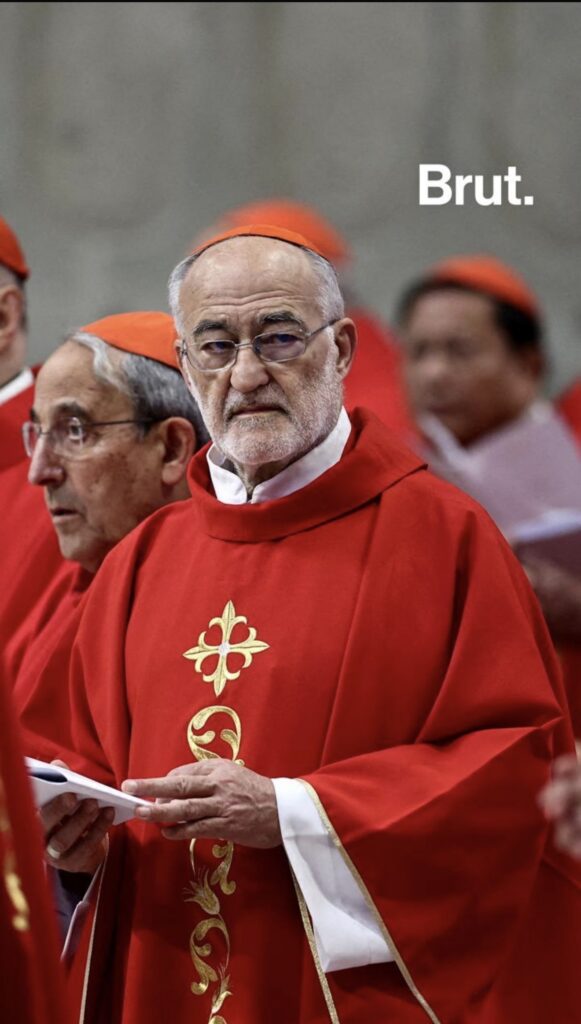
The Archbishop of Rabat, Cristóbal López Romero, is at the center of a serious controversy after five women publicly accused him of sexual misconduct and inappropriate behavior. The allegations, which have sent shockwaves through Morocco’s religious and social circles, prompted the Vatican to launch an official investigation into the claims.
In response to the accusations, Archbishop López Romero has taken a decisive step by announcing his temporary withdrawal from all pastoral duties until the conclusion of the inquiry. The archbishop has publicly denied the allegations, though the growing number of testimonies has intensified scrutiny over his conduct.
What are the allegations?
The complainants, who remain anonymous for their protection, describe a pattern of behavior that they allege includes sexual harassment and abuse of authority. While specific details have not been disclosed, the nature of the accusations has raised significant concerns about the archbishop’s interactions with women within the diocese.
The Vatican’s swift intervention underscores the gravity of the situation. Ecclesiastical authorities have emphasized that allegations of this nature are treated with the utmost seriousness and that due process will be followed to ensure fairness for all parties involved.
Reactions and implications
The news has sparked a wave of reactions across Morocco, a country where the Catholic Church holds a small but influential presence. Faithful and community leaders are divided—some express unwavering support for the archbishop, while others demand transparency and accountability.
Legal experts note that Morocco’s legal system provides avenues for victims of sexual misconduct to seek justice, though cultural and institutional barriers may complicate such cases. The archbishop’s temporary withdrawal from public duties reflects an acknowledgment of the seriousness of the allegations, even as he maintains his innocence.
Next steps in the investigation
The Vatican’s investigative body, the Congregation for the Doctrine of the Faith, is expected to conduct a thorough and confidential review of the evidence. This process may include interviews with witnesses, a review of communication records, and other relevant materials before reaching a conclusion.
While the outcome remains uncertain, the case highlights broader issues of accountability within religious institutions and the importance of safeguarding vulnerable individuals. The archbishop’s future role within the Church will largely depend on the findings of the investigation and the decisions made by ecclesiastical authorities.