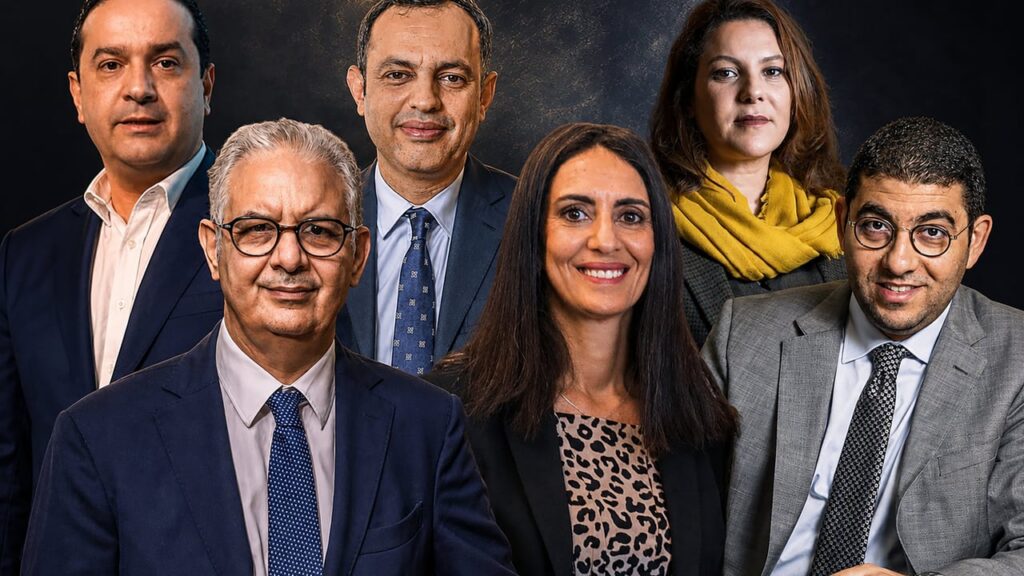
Morocco’s top prime minister candidates ahead of 2026 vote
As Morocco gears up for its 2026 legislative elections, the political landscape is buzzing with speculation over who could step into the role of Prime Minister. With two months to go before voters head to the polls, the race is heating up, and several key figures are emerging as strong contenders to lead the next government.
Among the most talked-about names is Aziz Akhannouch, the current head of government, whose leadership has sparked both admiration and debate. His potential successors are already positioning themselves, each bringing a unique blend of experience, influence, and ambition to the table. The stakes are high, as the election could reshape the balance of power in the kingdom.
Who stands out in the race for Morocco’s top job?
The field of candidates is diverse, with some figures commanding significant political weight while others rely on grassroots support. Here’s a closer look at the individuals most likely to shape the next government:
Aziz Akhannouch: the incumbent with a target on his back
As the current Prime Minister, Aziz Akhannouch remains a central figure in the upcoming election. His government’s policies and performance will be scrutinized, and his ability to retain power will depend on voter sentiment in September. Known for his business acumen and reformist agenda, Akhannouch faces both praise and criticism as he campaigns for another term.
Mostafa Terrab: the technocrat with a vision
Mostafa Terrab, a prominent technocrat, is another name frequently mentioned in discussions about Morocco’s future leadership. With a reputation for competence and a track record in public administration, he appeals to voters seeking stability and modernization. His potential candidacy could attract support from both reform-minded and conservative factions.
Nizar Baraka: the strategic insider
Nizar Baraka, a seasoned political figure, has long been a key player in Morocco’s governance. His deep understanding of the country’s economic and social challenges makes him a formidable candidate. Baraka’s ability to navigate complex political waters could position him as a unifying figure in the next government.
Abdelouafi Laftit: the security-focused leader
Abdelouafi Laftit, known for his role in national security and public order, brings a different perspective to the race. His background in law enforcement and governance could appeal to voters prioritizing stability and security in an increasingly uncertain regional landscape.
Younes Sekkouri: the reformist voice
Younes Sekkouri has carved out a reputation as a reformist within Morocco’s political establishment. His calls for economic and social change resonate with younger voters and those eager for progress. Sekkouri’s candidacy could energize segments of the electorate looking for fresh ideas and bold leadership.
Nadia Fettah Alaoui: the trailblazing minister
Nadia Fettah Alaoui stands out as one of the few women in contention for the top job. Her tenure in government has been marked by bold initiatives, particularly in economic policy. If she runs, she could break new ground in Morocco’s political history and inspire greater female participation in leadership roles.
Fouzi Lekjaâ: the behind-the-scenes power broker
Fouzi Lekjaâ, often operating behind the scenes, wields significant influence in Morocco’s political circles. His ability to broker deals and build coalitions makes him a wildcard in the race. While not as publicly visible as others, his strategic mind could play a decisive role in shaping the next government.
What’s at stake in Morocco’s 2026 elections?
The upcoming legislative elections are more than just a routine political exercise—they could redefine Morocco’s political trajectory for years to come. Voters will weigh the candidates’ visions for economic growth, social equity, and national security, all while navigating a rapidly changing regional environment. The outcome will determine whether Morocco continues on its current path or shifts toward new priorities.
As the campaign intensifies, the spotlight will remain firmly on these prime ministerial hopefuls. Their ability to connect with voters, articulate clear policies, and demonstrate leadership will be critical in securing the top job. With so much on the line, the race promises to be one of the most closely watched in Morocco’s recent political history.