
Niger and the united states ink five-year strategic health agreement
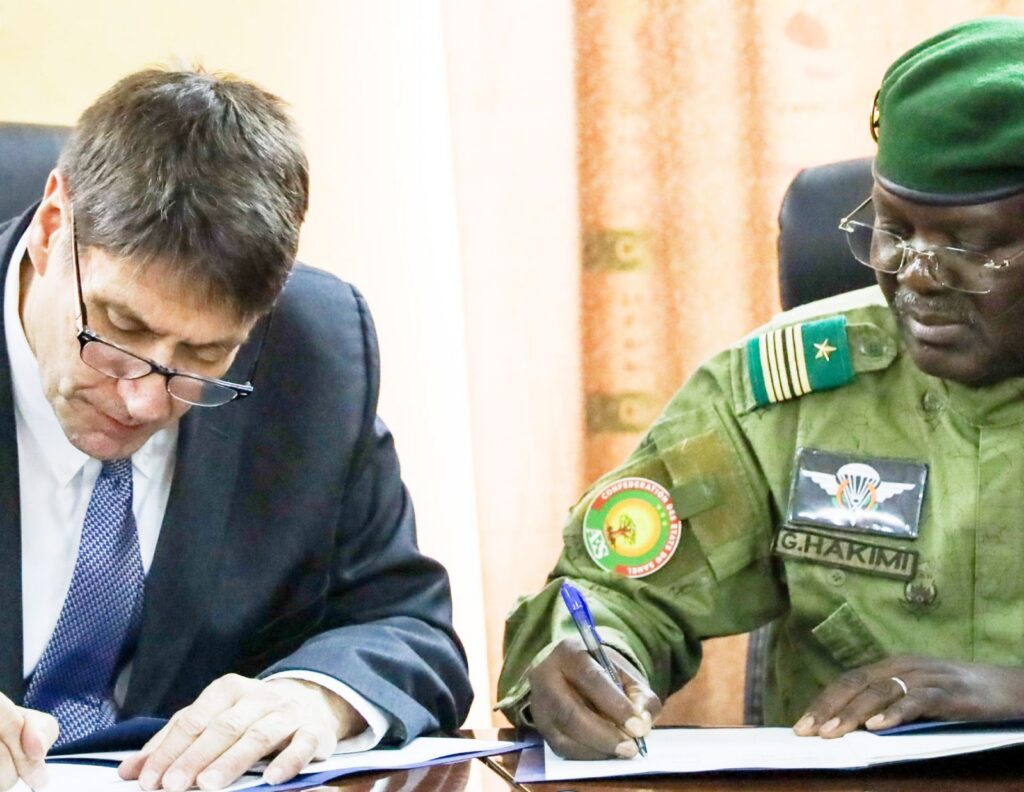
On Thursday, February 26, 2026, in Niamey, Niger and the United States formally entered into a five-year bilateral memorandum of understanding, solidifying their collaboration in the health sector. This strategic partnership, as detailed in the official statement, is designed to enhance Niger’s healthcare infrastructure, aiming to cultivate more resilient, self-sufficient, and enduring health systems.
Under the terms of this agreement, the United States commits financial support potentially reaching 107 million dollars over the five-year duration. Concurrently, the Government of Niger plans to significantly boost its national health expenditure by over 71 million dollars during the identical timeframe. This combined commitment brings the total announced investment to approximately 178 million dollars.
The protocol, as outlined in the communiqué, specifically targets several critical areas: reinforcing achievements in malaria eradication, enhancing the surveillance and response mechanisms for infectious diseases, supporting polio prevention efforts, and improving maternal and child health outcomes. Furthermore, it is expected to bolster the capabilities of healthcare professionals and expand access to essential diagnostic testing and effective treatments.
Through this landmark agreement, both Niamey and Washington demonstrate their dedication to fostering direct cooperation, prioritizing tangible results. A key focus will be on minimizing administrative overheads and channeling resources towards frontline healthcare services. For Niger, this commitment paves the way for a more efficient health system, characterized by greater national control over its public health priorities.
This signing signifies a pivotal advancement in the partnership between Niger and the United States, particularly within the vital domain of public health. It arrives at a time when national sovereignty, operational efficiency, and the long-term sustainability of health policies are paramount global concerns.



More Stories
Morocco’s quiet diplomacy secures french agent’s pardon in Mali
Canada establishes its first embassy in Benin
US reaffirms strategic partnership with Morocco at throne celebration