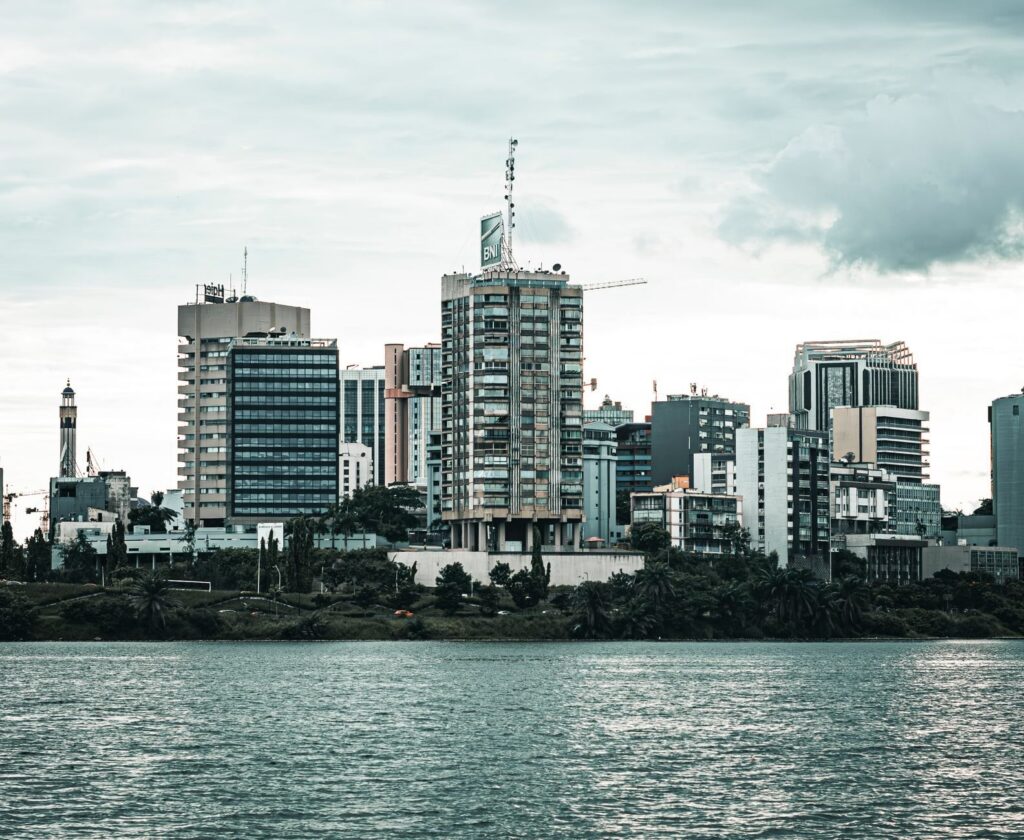
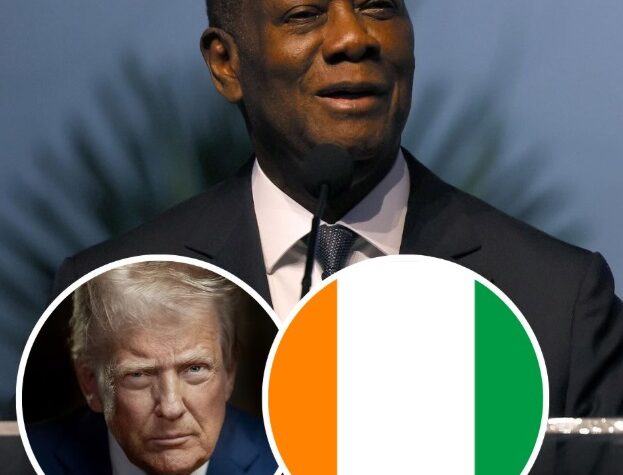
Ivorian President Alassane Ouattara has issued a profound call for national unity, urging all active segments of the country to join forces in constructing what he envisions as the « Grande Côte d’Ivoire ». This directive, marking the commencement of a fresh political era, underscores the head of state’s commitment to consolidating administrative, economic, religious, and community leaders around a shared national ambition. It arrives as Abidjan aims to leverage a decade of robust economic expansion, seeking to achieve a new structural level of development.
An appeal for Ivorian vital forces’ cohesion
The presidential plea specifically targets every facet of Ivorian society. Republican institutions, political parties, the private sector, civil society organizations, traditional chieftaincies, and the diaspora are all invited to partake in this collective endeavor. The chosen approach highlights an inclusive vision for public action, where the success of the national project hinges on widespread participation rather than solely on executive initiative. This framework is particularly significant, emerging during a political juncture where the stability and consistent application of public policies are acutely critical.
President Alassane Ouattara frames this initiative as a continuation of the key strategies championed since 2011, focusing on industrial development, improving access to rural areas, and establishing Abidjan as a pivotal regional hub. His aim is to translate a favorable macroeconomic momentum, characterized by an average growth rate exceeding 6% in recent years, into more concrete social benefits for households. The vision of a « Grande Côte d’Ivoire » thus encapsulates this dual objective: strengthening economic indicators while ensuring more equitable wealth distribution.
A long-term economic and political blueprint
Economically, the pledge for an expanded Côte d’Ivoire aligns with several foundational projects already underway. The Port of Abidjan continues its significant expansion, while the Port of San Pedro is bolstering its capabilities in the mining and agricultural sectors. The national highway network is extending northward, connecting towards Burkina Faso and Mali, with the strategic aim of fortifying West African logistical corridors. The energy sector, previously identified as a vulnerable point following the 2024 supply crisis, is receiving substantial investments to secure production and diversify its energy mix.
Nevertheless, the political dimension holds equal significance. By engaging the nation’s vital forces, the Ivorian president seeks to broaden the support base for his initiatives beyond the singular framework of the Rally of Houphouëtists for Democracy and Peace (RHDP). This rhetorical openness reflects a strategic understanding: major infrastructure and economic transformation projects necessitate a foundational consensus to prevent their reversal with future political transitions. Emphasizing the nation, rather than just the presidential faction, is central to this long-term strategy.
A methodology rooted in unification
The specific choice of terminology is far from arbitrary. By invoking the « Grande Côte d’Ivoire, » the executive aligns itself with a political tradition inherited from the founding president, Félix Houphouët-Boigny, where national aspirations were articulated through inspiring, unifying slogans. This deliberate connection aims to ground presidential actions in historical continuity and to mitigate criticisms regarding an excessive personalization of power. However, the tangible realization of this appeal will ultimately depend on the institutions’ capacity to translate political declarations into practical, operational frameworks.
Observers highlight that the success of such an ambitious undertaking necessitates demonstrable progress in governance, the business environment, and addressing regional disparities. The northern and central regions of the country, which possess fewer infrastructural advantages compared to the coastal lagoon areas, remain designated priority zones for development. Furthermore, the challenge of youth inclusion is structural, given that over 75% of the population is under 35 years old. The presidential appeal will achieve its full impact only if it materializes into concrete mechanisms that genuinely involve the identified stakeholders in decision-making processes.
More Stories
Can Senegal’s local elections be Bassirou Diomaye Faye’s make-or-break moment?
Senegal’s parliament: What power does Ousmane Sonko hold to derail the 2026 budget?
Senegal’s December 2 dilemma: can Diomaye Faye’s gamble reshape the nation’s future?