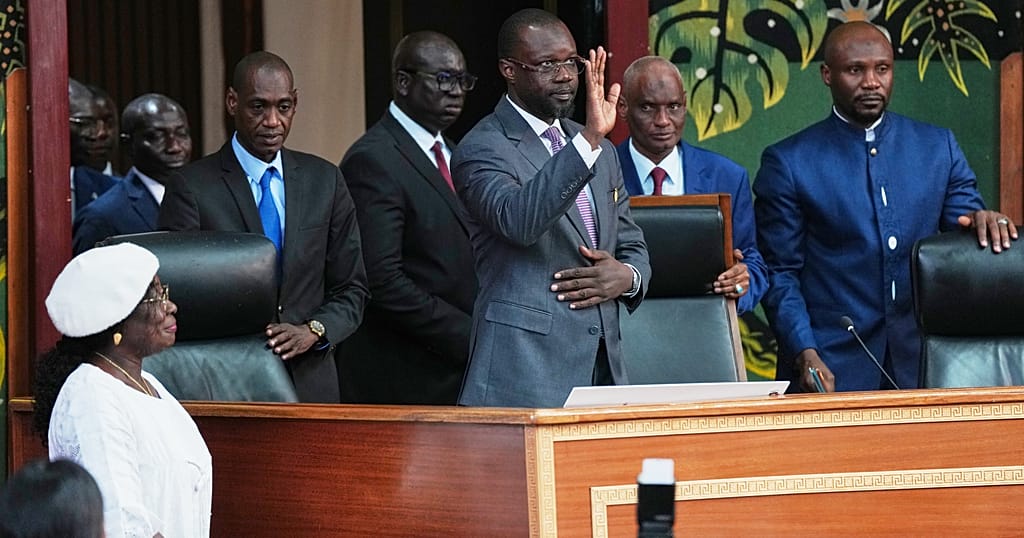
Ousmane Sonko, the current President of the National Assembly and former Prime Minister, secured a landslide re-election as the head of Pastef this Saturday. This political victory serves as a clear signal to his rivals amidst a period of significant political friction in Sénégal.
The gathering took place in Diamniadio, situated near Dakar, marking the very first congress for the party. Having led Pastef since its inception in 2014, Ousmane Sonko has been granted a new six-year mandate to steer the organization.
A historical turning point for Pastef
Addressing the crowd after his victory, Ousmane Sonko emphasized the gravity of his role. He noted that Pastef is no longer just another party in the Sénégal political landscape. He cautioned that revolutions risk being diluted or diverted if they lack a sturdy doctrine and a lasting organizational structure. This congress represents a milestone occurring two years after the party reached the highest levels of governance.
The political trajectory of the party has been complex. While Bassirou Diomaye Faye claimed the presidency in 2024 with the backing of Pastef—following Ousmane Sonko‘s exclusion from the race—the alliance has faced recent strain. After months of internal pressure, Bassirou Diomaye Faye removed Ousmane Sonko from his position as Prime Minister on May 22. Shortly thereafter, Ousmane Sonko transitioned to the presidency of the National Assembly.
Warnings of sabotage and legislative power
During his speech to the delegates, Ousmane Sonko was vocal about potential threats to his party’s vision. He warned that any attempts to undermine or “sabotage” their political project would fail, asserting that the people stand firmly with Pastef to ensure the country’s liberation.
The internal divide became more apparent as the Pastef leadership chose to boycott the government recently appointed by Bassirou Diomaye Faye. This decision stands despite the inclusion of certain party members in the new ministerial lineup. With a commanding majority of 130 out of 165 seats in the National Assembly, Pastef holds the power to trigger a motion of censure against the current administration at any time. Meanwhile, the President retains the authority to dissolve the legislature, though not before November 2026.