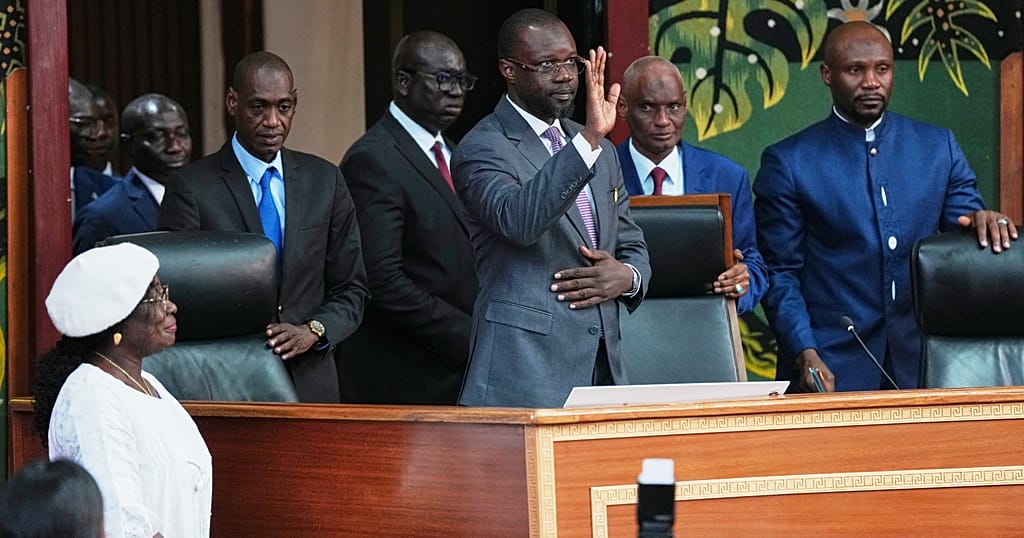
Ousmane Sonko secures new mandate at the helm of Pastef
In a decisive move at the party’s inaugural congress in Diamniadio, near Dakar, Ousmane Sonko has been overwhelmingly re-elected to lead Pastef. This political victory, occurring amidst a complex national climate in Sénégal, serves as a clear signal to his political rivals.
Having steered Pastef since its inception in 2014, Ousmane Sonko will now serve another six-year term. The gathering brought together delegates from across the country and the international diaspora to solidify the party’s structure.
A vision for the future of the revolution
Addressing the assembly after his confirmation, the President of the National Assembly emphasized the gravity of his role. “I recognize the weight of this duty, as Pastef is a unique force in the Sénégalese political landscape,” he remarked. He further noted that the congress marks a historical milestone, coming two years after the party reached the highest levels of power.
He cautioned that political movements risk being diluted or diverted if they lack a robust organization and a well-defined doctrine. For him, this structure is essential to ensure that the changes they seek remain permanent and effective over time.
Tensions within the executive and legislative branches
The political landscape in Sénégal remains intricate. While President Bassirou Diomaye Faye secured the presidency in 2024 with the backing of Pastef—after Ousmane Sonko was prevented from running—the relationship between the two figures has faced recent hurdles. Following months of friction, Ousmane Sonko was removed from his position as Prime Minister on May 22, subsequently taking over the leadership of the National Assembly just days later.
During the congress, Ousmane Sonko was vocal about potential threats to their political agenda, warning against any attempts at “sabotage.” He asserted that the collective will of the people standing with Pastef would ensure the country’s eventual liberation and protect the integrity of their movement against any internal or external interference.
A legislative stronghold
Despite some Pastef members appearing in the recently announced cabinet, the party’s leadership has officially boycotted the government formed by Bassirou Diomaye Faye. This stance highlights a significant divide within the ruling coalition.
With a commanding majority of 130 out of 165 seats in the National Assembly, Pastef holds considerable leverage. The party maintains the power to initiate a motion of censure to topple the current government at any time. Conversely, the President retains the authority to appoint a new cabinet following such a move and will have the legal standing to dissolve the National Assembly starting in November 2026.