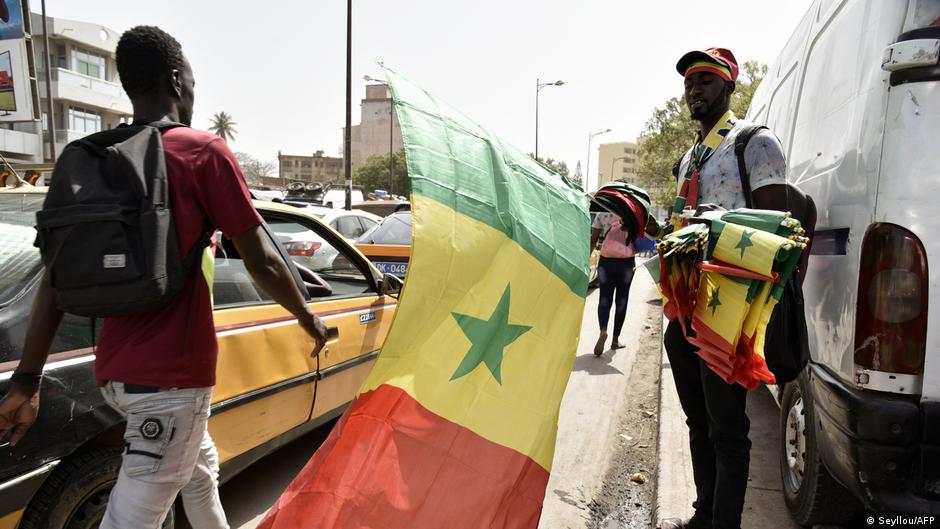
pilgrims face soaring transport costs ahead of touba’s grand magal
As pilgrims prepare for the Grand Magal in Touba, the journey from Dakar is becoming increasingly costly. At the Baux Maraîchers station in Pikine, touts are already quoting fares between 8,000 and 10,000 CFA francs, well above the usual 3,000 to 5,000 CFA francs for this route.
Pilgrims face steep transport hikes for grand magal
Fallou, a station tout, explains the pricing structure: “All these vehicles are heading to Touba. You can choose between a smaller, non-air-conditioned vehicle for 10,000 CFA francs or a less comfortable but air-conditioned bus for 8,000 CFA francs. These are today’s prices due to heavy traffic on the road to Touba.”
Drivers justify the surge in prices by pointing to logistical challenges. Return trips often leave vehicles half-empty, despite filling up with fuel twice. “Traffic is extremely heavy heading into Touba,” says one driver. “We have to raise fares to offset these losses.”
For regular travelers like Mamadou, the price hike is unwelcome but unavoidable. “They always hike prices for major events,” he complains. “Touba isn’t far, and normal fares are much lower. These times are tough—drivers shouldn’t take advantage. I have no choice but to pay; my family awaits me there, and we must welcome our guests properly.”
Transport operators balance demand and supply
Bour Guewel, a veteran driver with nearly 30 years of experience, operates an aging vehicle on the Dakar-Touba route. He acknowledges the imbalance between outgoing and return trips. “We leave full, but returning empty—while paying double for fuel—makes it hard to sustain operations,” he notes. “Higher fares help compensate for these losses.”
The public transport operator Dakar Dem Dikk offers fares at 4,000 CFA francs, but demand far outstrips supply. Their buses also restrict luggage, adding to the challenges faced by pilgrims carrying supplies for their stay.
The Grand Magal draws millions to Touba, and while the spiritual significance remains undiminished, the financial burden of travel is harder to ignore this year.


More Stories
Unseen heroes: how Senegal’s migrant women power the economy
Cameroun: le mariage des familles, une coutume en question
Cameroon: paternity testing gains ground amidst changing societal norms