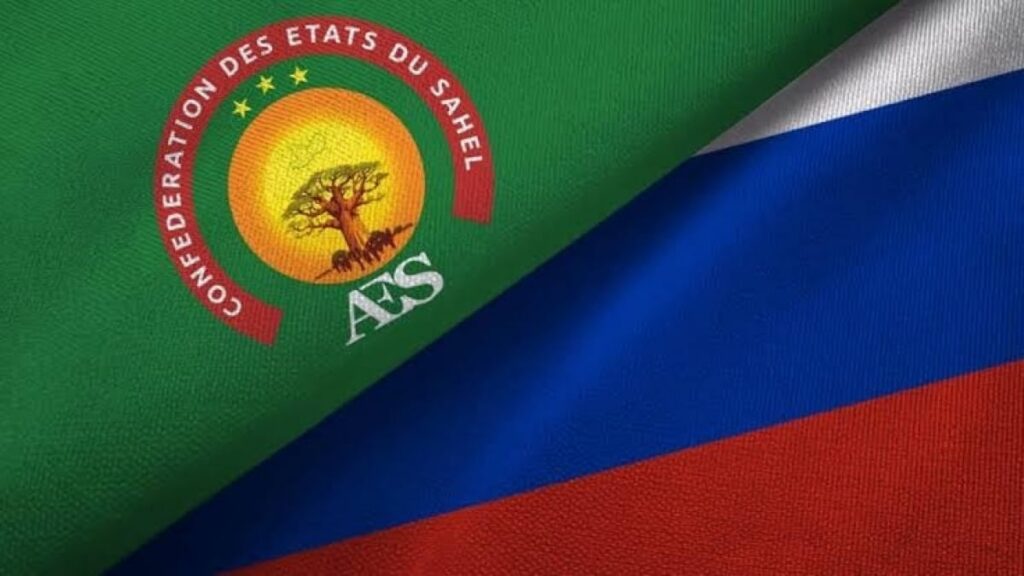
Moscow deepens defense ties with Sahel alliance amid regional unrest
The Russian government has significantly expanded its military cooperation with the Alliance of Sahel States (AES), a coalition comprising Mali, Burkina Faso and Niger. This strategic partnership was formalized during high-level discussions in Niamey, where officials from both sides agreed to bolster joint defense efforts against escalating extremist violence and persistent security threats in the region.
This collaboration marks a pivotal moment in Russia’s growing influence across the Sahel, where Mali, Burkina Faso and Niger have progressively distanced themselves from traditional Western allies. The new agreements focus on enhancing operational capabilities, intelligence sharing and logistical support to combat armed groups linked to terrorism.
Why the Sahel alliance matters in global security
The foundation of the Alliance of Sahel States was laid in September 2023 through a mutual defense treaty, later evolving into a broader framework for political, economic and military integration. By early 2025, the three nations had withdrawn from the Economic Community of West African States (ECOWAS) and unveiled plans to deploy a unified 5,000-strong military force. This regional defense initiative aims to secure borders and counter transnational terrorism more effectively.
Moscow’s increased engagement in the Sahel coincides with the formation of the Russian African Corps, a dedicated military unit established by the Russian Ministry of Defense. This force replaces the operational role previously held by private military entities in several African nations, signaling a more structured and state-led approach to security partnerships.
Challenges on the horizon for Sahel stability
While enhanced military cooperation with Russia offers short-term gains in counterterrorism operations, analysts warn that fundamental issues driving instability remain unaddressed. Chronic factors such as poor governance, economic disparity, climate-induced resource scarcity and the proliferation of armed factions continue to fuel conflict. Without comprehensive solutions addressing these root causes, long-term security outcomes may remain elusive despite increased foreign support.
The evolving dynamics between Moscow and the Sahel alliance underscore a shifting geopolitical landscape in West Africa. As traditional partnerships evolve, the region faces both opportunities and challenges in securing sustainable peace and development.

More Stories
Togo: how a journalist’s sanction resonates far beyond newsrooms
Niger: reshuffle fallout hits households, traders and an economy running on fumes
Niger’s military regime cuts off information flow—citizens and economy reel from media blackout