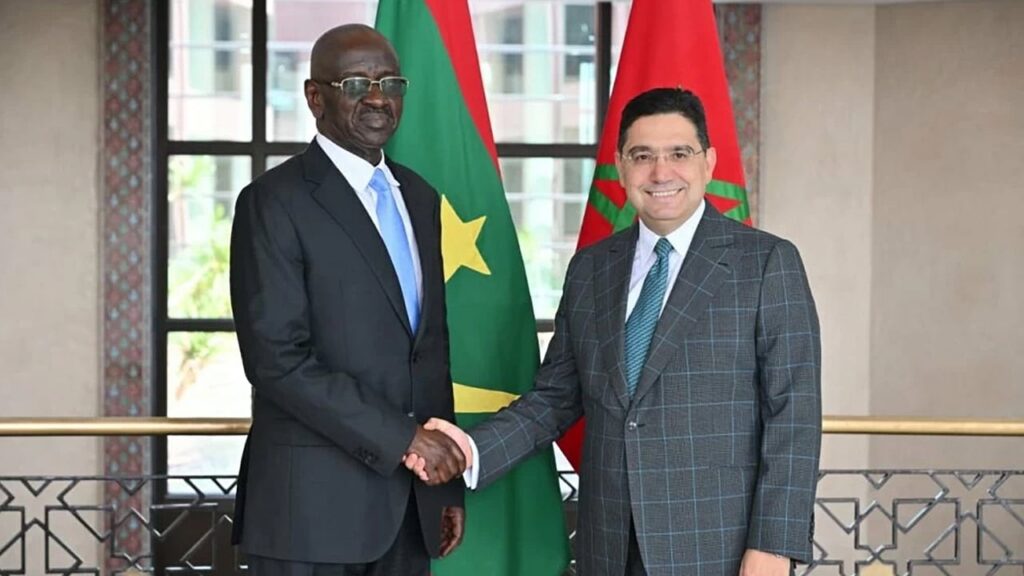

Diplomatic echoes in Dakar over Western Sahara
Dakar recently became the backdrop for renewed diplomatic exchanges between Mauritania and Morocco, reigniting long-standing sensitivities tied to the Western Sahara issue. The discussions, held on the sidelines of a regional gathering, underscored the delicate balance of alliances in North West Africa.
Rabat and Nouakchott: a strategic alignment
The meeting between high-ranking officials from Morocco and Mauritania highlighted a shared perspective on the decades-old territorial dispute. Both nations continue to advocate for a negotiated solution that aligns with their national interests, particularly concerning the contested region.
The presence of key diplomats in Dakar provided an opportunity to reaffirm their positions while assessing the evolving dynamics in the Sahel and broader Maghreb. Western Sahara remains a pivotal topic, influencing Morocco’s regional diplomacy and Mauritania’s strategic calculations.
Implications for regional stability
The renewed engagement comes at a time of shifting geopolitical currents in Africa. While some nations have adjusted their stances, Mauritania and Morocco have maintained a consistent approach, reinforcing their ties through dialogue and cooperation.
The discussions in Dakar may signal a broader trend: as external actors recalibrate their involvement in the Sahel, regional powers are doubling down on intra-African diplomacy to safeguard their interests. The Western Sahara question, in particular, remains a litmus test for solidarity among Maghreb states.
Why the Western Sahara dispute still matters
The conflict over Western Sahara has persisted since the 1970s, with Morocco controlling much of the territory while the Polisario Front, backed by Algeria, seeks independence. Mauritania’s stance has historically been one of cautious neutrality, though its recent engagements suggest a nuanced shift.
The dispute is not merely territorial; it is a flashpoint for regional influence, economic partnerships, and security cooperation. Morocco’s push for international recognition of its autonomy plan has gained traction, but challenges remain, particularly from nations wary of altering the status quo.
A test for African diplomacy
The Dakar talks reflect a broader struggle to reconcile differing visions of sovereignty and self-determination in the region. Mauritania and Morocco, despite their differences, find common ground in resisting external pressures that could destabilize their positions.
As African nations navigate complex alliances, the Western Sahara issue serves as a reminder of how historical grievances continue to shape modern diplomacy. The outcome of these discussions could influence not only bilateral relations but also the broader trajectory of North West African geopolitics.
More Stories
Mali’s information war: can the public still trust the news when Maliweb.net amplifies the army’s narrative?
Will West Africa’s sleeping savings finally become its financial lifeline?
Can Benin and Spain turn cultural diplomacy into a lasting strategic advantage?