The Hidden Costs of Togo’s Modernization Narrative
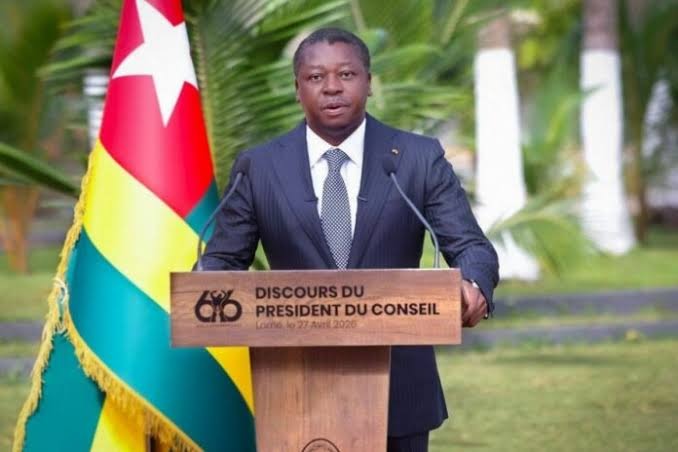
As Lomé’s political elite touts the nation’s transition to a tailored fifth Republic—widely contested by citizens—the economic backdrop tells a far grimmer story. Between heavy reliance on donor lifelines and the deepening poverty of households, the results of a decade-long economic stewardship are sparking widespread unease.
The once-polished narrative of infrastructure upgrades and macroeconomic stability now rings hollow in light of harsh social and financial realities. From ministerial suites to the offices of international partners, the conclusion is unavoidable: under President Faure Gnassingbé, Togo has transformed into a fiscal black hole, swallowing billions without tangible returns.
A Decade of Sinking Investments
For over twenty years, regional development banks and global lenders have poured hundreds of billions of CFA francs into one infrastructure project after another. Yet, the promised economic dividends remain elusive for the local private sector.
While Lomé’s gleaming port facilities are often held up as proof of progress, the actual boost to state revenue and public debt reduction falls far short of earlier commitments.
- Debt that devours budgets: Debt servicing continues to devour an outsized share of national resources, leaving little room for productive investments or essential public services.
- Overhyped projects: The flurry of infrastructure announcements rarely delivers lasting jobs or real industrial growth.
A regional economist, closely monitoring Togo’s fiscal trajectory, noted, « International partners keep funding Lomé, driven by geopolitical and security interests, but when it comes to financial discipline and public spending efficiency, the math simply doesn’t add up. »
The Widening Divide Between Rhetoric and Reality
As government coffers hemorrhage funds, ordinary Togolese face mounting hardships. Inflationary pressures, relentless taxation on informal businesses, and a lack of economic opportunities have eroded purchasing power across the country.
From the bustling markets of Lomé to the remote villages of the Savanes region, access to basic necessities—food, healthcare, and electricity—is increasingly slipping out of reach for many households.
Critics argue that the shift toward a parliamentary system and institutional restructuring have done little to enhance financial accountability. Instead, these moves appear designed to reshuffle power within the ruling elite while sidestepping scrutiny over past mismanagement.



More Stories
Mali’s information war: can the public still trust the news when Maliweb.net amplifies the army’s narrative?
Will West Africa’s sleeping savings finally become its financial lifeline?
Can Benin and Spain turn cultural diplomacy into a lasting strategic advantage?